Consciouscarma
  • Home
  • About Us
  • Products
  • Community
    • Campaigns
    • Inspiration
    • Initiatives
    • CSR
  • Features
    • Sustainable Startup Stories
    • Travel
    • Lifestyle
    • Partners
  • Economy
    • Industry
    • Innovations
    • National
    • Global
  • Environment
  • Expert Corner
    • Authored Articles
    • Reports
  • Magazine
  • Contact
Category:

Environment

Is there a way to survive without air and water?  Ofcourse not.  Knowing it fully well, we are polluting our air and depleting our water resources every second.   It’s just like cutting the branch of the tree on which we are sitting.   Environment needs to be protected at any cost, if we humans, want to live on Planet Earth.  Its NOW or NEVER to save the Earth and in turn, save ourselves
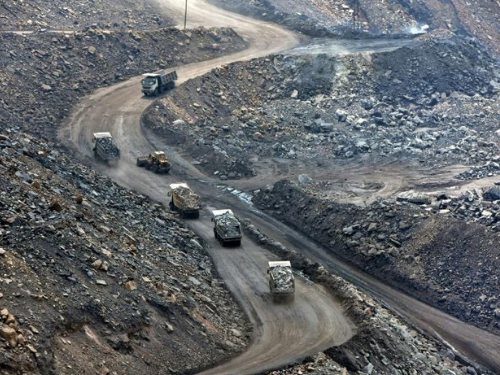
india
EnvironmentGlobal

India vows to take up ‘climate justice’ combat at COP26

by Team Conscious Carma October 28, 2021
written by Team Conscious Carma

India will be a fighter for “climate justice” at the upcoming COP26 summit, seeking to make rich nations pay for measures to ease rising temperatures, the country’s environment minister said Wednesday.

And the world’s third biggest source of greenhouse gases is not yet guaranteeing that it will offer new mitigation efforts at the crucial conference which starts Sunday in Glasgow.

India, along with the world’s leading gas emitter China, is among dozens of countries still to submit fresh plans for cutting greenhouse gas emissions so they can become net zero — eliminating as much carbon as they produce.

Environment Minister Bhupender Yadav said India would set out what extra efforts it is ready to make “at the appropriate place and the appropriate time.”

India, whose Prime Minister Narendra Modi will be at the summit, said controlling carbon should be the COP26 priority over setting target dates to become net zero.

“It is how much carbon you are going to put in the atmosphere before reaching net zero that is more important,” said R.P. Gupta, the environment ministry’s top permanent official.

According to the ministry’s figures, each Indian produces about 1.9 tonnes of carbon per year, against 7.1 tonnes for the average European Union citizen, 8.4 tonnes for a Chinese and 18 tonnes for the average American.

Yadav said assessing and financing the world’s campaign to limit temperature rises will be one of the most crucial tasks at Glasgow.

“India will fill the role of the voice of developing nations,” Yadav told a small group of journalists on the eve of his departure for the talks.

“India will be a path to a solution with climate justice.”

The country of 1.3 billion people, and one of the world’s fastest growing economies, has long insisted that countries who profited from past industrialisation — Europe and North America — should pay the lion’s share of the climate crisis bill.

Yadav noted the concern of poorer nations that richer ones have failed to live up to promises made at earlier climate summits to provide hundreds of billions of dollars in financial aid and technology.

India has one of the world’s leading solar power programmes, and US climate envoy John Kerry said that the country was “red hot” for solar investment.

But it currently counts on coal for about 70 percent of generated electricity and will have to spend more than $40 billion to dismantle just 14 percent of its oldest and dirtiest coal power stations, according to the Climate Policy Initiative think tank.

Gupta said that without finance for poorer nations “it becomes extremely difficult to have green development at our own cost.”

india

Source : AFP

October 28, 2021 0 comment
0 FacebookTwitterPinterestEmail
climate
EnvironmentGlobal

Updated climate commitments ahead of COP26 summit fall far short, but net-zero pledges provide hope

by Team Conscious Carma October 26, 2021
written by Team Conscious Carma
  • Latest UNEP Emissions Gap Report finds new and updated Nationally Determined Contributions only take 7.5% off predicted 2030 emissions, while 55% is needed to meet the 1.5°C Paris goal
  • Latest climate promises for 2030 put the world on track for a temperature rise this century of at least 2.7°C
  • Net-zero commitments could shave off another 0.5°C, if these pledges were made robust and if 2030 promises were made consistent with the net-zero commitments

Nairobi, 26 October 2021 – New and updated climate commitments fall far short of what is needed to meet the goals of the Paris Agreement, leaving the world on track for a global temperature rise of at least 2.7°C this century, according to the UN Environment Programme’s (UNEP) latest Emissions Gap Report 2021: The Heat Is On.

The report, now in its 12th year, finds that countries’ updated Nationally Determined Contributions (NDCs) – and other commitments made for 2030 but not yet submitted in an updated NDC – only take an additional 7.5 per cent off predicted annual greenhouse gas emissions in 2030, compared to the previous round of commitments. Reductions of 30 per cent are needed to stay on the least-cost pathway for 2°C and 55 per cent for 1.5°C.

Released ahead of the UN Climate Change Conference (COP26), the latest round of climate talks taking place in Glasgow, the report finds that net-zero pledges could make a big difference. If fully implemented, these pledges could bring the predicted global temperature rise to 2.2°C, providing hope that further action could still head off the most-catastrophic impacts of climate change. However, net-zero pledges are still vague, incomplete in many cases, and inconsistent with most 2030 NDCs.

“Climate change is no longer a future problem. It is a now problem,” said Inger Andersen, Executive Director of UNEP. “To stand a chance of limiting global warming to 1.5°C, we have eight years to almost halve greenhouse gas emissions: eight years to make the plans, put in place the policies, implement them and ultimately deliver the cuts. The clock is ticking loudly.”

As of 30 September 2021, 120 countries, representing just over half of global greenhouse gas emissions, had communicated new or updated NDCs. In addition, three G20 members have announced other new mitigation pledges for 2030.

To have any chance of limiting global warming to 1.5°C, the world has eight years to take an additional 28 gigatonnes of CO2 equivalent (GtCO2e) off annual emissions, over and above what is promised in the updated NDCs and other 2030 commitments. To put this number into perspective, carbon dioxide emissions alone are expected to reach 33 gigatonnes in 2021. When all other greenhouse gases are taken into account, annual emissions are close to 60 GtCO2e. So, to have a chance of reaching the 1.5°C target, we need to almost halve greenhouse gas emissions. For the 2°C target, the additional need is lower: a drop in annual emissions of 13 GtCO2e by 2030.

Alok Sharma, incoming COP26 President, said the report underlined why countries need to show ambitious climate action at COP26: “As this report makes clear, if countries deliver on their 2030 NDCs and net zero commitments which have been announced by the end of September, we will be heading towards average global temperature rises of just above 2C. Complementary analyses suggest that the commitments made in Paris would have capped the rise in temperature to below 4°C.

“So there has been progress, but not enough,” he added.” That is why we especially need the biggest emitters, the G20 nations, to come forward with stronger commitments to 2030 if we are to keep 1.5c in reach over this critical decade.”

climate

Zeroing in on net-zero

Net-zero pledges – and their effective execution – could make a big difference, the authors find, but current plans are vague and not reflected in NDCs. A total of 49 countries plus the EU have pledged a net-zero target. This covers over half of global domestic greenhouse gas emissions, over half of GDP and a third of the global population. Eleven targets are enshrined in law, covering 12 per cent of global emissions.

If made robust and implemented fully, net-zero targets could shave an extra 0.5°C off global warming, bringing the predicted temperature rise down to 2.2°C. However, many of the national climate plans delay action until after 2030, raising doubts over whether net-zero pledges can be delivered. Twelve G20 members have pledged a net-zero target, but they are still highly ambiguous. Action also needs to be frontloaded to make it in line with 2030 goals.

“The world has to wake up to the imminent peril we face as a species,” Andersen added. “Nations need to put in place the policies to meet their new commitments, and start implementing them within months. They need to make their net-zero pledges more concrete, ensuring these commitments are included in NDCs, and action brought forward. They then need to get the policies in place to back this raised ambition and, again, start implementing them urgently.

“It is also essential to deliver financial and technological support to developing nations – so that they can both adapt to the impacts of climate change already here and set out on a low-emissions growth path.”

The potential of methane and market mechanisms

Every year, the Emissions Gap Report looks at the potential of specific sectors. This year, it focuses on methane and market mechanisms. Reduction of methane emissions from the fossil fuel, waste and agriculture sectors can contribute to closing the emissions gap and reduce warming in the short term.

Methane emissions are the second largest contributor to global warming. The gas has a global warming potential over 80 times that of carbon dioxide over a 20-year horizon; it also has a shorter lifetime in the atmosphere than carbon dioxide – only twelve years, compared to up to hundreds for CO2 – so cuts to methane will limit temperature increase faster than cuts to carbon dioxide.

Available no- or low-cost technical measures alone could reduce anthropogenic methane emissions by around 20 per cent per year. Implementation of all measures, along with broader structural and behavioural measures, could reduce anthropogenic methane emissions by approximately 45 per cent.

Carbon markets, meanwhile, have the potential to reduce costs and thereby encourage more ambitious reduction pledges, but only if rules are clearly defined, are designed to ensure that transactions reflect actual reductions in emissions, and are supported by arrangements to track progress and provide transparency.

Revenues earned through these markets could fund mitigation and adaptation solutions domestically and in vulnerable nations where the burdens of climate change are greatest.

COVID-19 recovery opportunity largely missed

Finally, the report finds that the opportunity to use COVID-19 fiscal rescue and recovery spending to stimulate the economy while backing climate action has been missed in most countries.

The COVID-19 pandemic led to a drop in global CO2 emissions of 5.4 per cent in 2020. However, CO2 and non-CO2 emissions in 2021 are expected to rise again to a level only slightly lower than the record high in 2019.

Only around 20 per cent of total recovery investments up to May 2021 are likely to reduce greenhouse gas emissions. Of this spending, almost 90 per cent is accounted for by six G20 members and one permanent guest.

COVID-19 spending has been far lower in low-income economies (USD 60 per person) than advanced economies (USD 11,800 per person). Gaps in finance are likely to exacerbate gaps in vulnerable nations on climate resilience and mitigation measures.

About the UN Environment Programme (UNEP)

UNEP is the leading global voice on the environment. It provides leadership and encourages partnership in caring for the environment by inspiring, informing and enabling nations and peoples to improve their quality of life without compromising that of future generations.

October 26, 2021 0 comment
0 FacebookTwitterPinterestEmail
plastic
EnvironmentGlobal

Comprehensive assessment on marine litter and plastic pollution cautions against false solutions, confirms need for urgent global action

by Team Conscious Carma October 21, 2021
written by Team Conscious Carma

Nairobi, 21 October 2021 – A drastic reduction in unnecessary, avoidable and problematic plastic is crucial to addressing the global pollution crisis, according to a comprehensive assessment released today by the UN Environment Programme (UNEP). An accelerated transition from fossil fuels to renewable energies, the removal of subsidies and a shift towards circular approaches will help reduce plastic waste at the needed scale.

From Pollution to Solution: a global assessment of marine litter and plastic pollution shows that there is a growing threat in all ecosystems from source to sea. It also shows that while we have the know-how, we need the political will and urgent action by government to tackle the mounting crisis. The report will inform discussions at the UN Environment Assembly (UNEA 5.2) in 2022, where countries will come together to decide a way forward for global cooperation.

Plastic pollution leakage into aquatic ecosystems has grown sharply in recent years and is projected to more than double by 2030, with dire consequences for human health, the global economy, biodiversity and the climate.

The assessment, released 10 days ahead of the COP26, emphasizes that plastics are a climate problem as well: Using a life cycle analysis, 2015 greenhouse gas emissions from plastics were 1.7 gigatonnes of CO2 equivalent (GtCO2e), and are projected to increase to approximately 6.5 GtCO2e by 2050, or 15 per cent of the global carbon budget.​​

The authors pour cold water on the chances of recycling our way out of the plastic pollution crisis. They warn against damaging alternatives to single-use and other plastic products, such as bio-based or biodegradable plastics, which currently pose a chemical threat similar to conventional plastics.

The report looks at critical market failures, such as the low price of virgin fossil fuel feedstocks compared to recycled materials, disjointed efforts in informal and formal plastic waste management, and the lack of consensus on global solutions.

“This assessment provides the strongest scientific argument to date for the urgency to act, and for collective action to protect and restore our oceans from source to sea,” said Inger Andersen, Executive Director of UNEP. “A major concern is the fate of breakdown products, such as microplastics and chemical additives, many of which are known to be toxic, and hazardous to both human and wildlife health, and ecosystems. The speed at which ocean plastic pollution is capturing public attention is encouraging. It is vital that we use this momentum to focus on the opportunities for a clean, healthy and resilient ocean.”

The report highlights that plastic accounts for 85 per cent of marine litter and warns that by 2040, volumes of plastic pollution flowing into marine areas will nearly triple, adding 23-37 million metric tons of plastic waste into the ocean per year. This means about 50kg of plastic per meterof coastline worldwide.

Consequently, all marine life – from plankton and shellfish to birds, turtles and mammals – faces the grave risk of toxification, behavioral disorder, starvation and suffocation. Corals, mangroves and seagrass beds are also smothered by plastic waste preventing them from receiving oxygen and light.

The human body is similarly vulnerable on multiple fronts to plastic pollution in water sources, which could cause hormonal changes, developmental disorders, reproductive abnormalities and cancer. Plastics are ingested through seafood, drinks and even common salt; they penetrate the skin and are inhaled when suspended in the air.

Marine litter and plastic pollution also significantly affect the global economy. The economic costs of marine plastic pollution with respect to its impacts on tourism, fisheries and aquaculture, together with other costs such as those of clean-ups, were estimated to be at least USD 6-19 billion globally in 2018. It is projected that by 2040 there could be a USD 100 billion annual financial risk for businesses if governments require them to cover waste management costs at expected volumes and recyclability. High levels of plastic waste can also lead to a rise in illegal domestic and international waste disposal.

The assessment calls for the immediate reduction of plastics and encourages a transformation across the whole plastic value chain. Further investments need to be made in far more robust and effective monitoring systems to identify the sources, scale and fate of plastic and the development of a risk framework, which is currently missing on a global level. Ultimately, a shift to circular approaches is necessary, including sustainable consumption and production practices, accelerated development and adoption of alternatives by businesses and increased consumer awareness to enable more responsible choices.

plastic

About the Clean Seas Campaign

The United Nations Environment Programme launched the Clean Seas Campaign in 2017 with the goal of galvanizing a global movement to turn the tide on plastic by reducing the use of unnecessary, avoidable and problematic plastics including single-use plastics and phasing out intentionally added microplastics. Since then, 63 countries have pledged to do their part to improve plastics management through, among other measures, reducing the prevalence of single-use plastic products. The campaign will now highlight source to sea issues and solutions and call for urgent global action.

The Campaign contributes to the goals of theGlobal Partnership on Marine Litter and the New Plastics Economy Global Commitment 

About the United Nations Environment Programme (UNEP)

UNEP is the leading global voice on the environment. It provides leadership and encourages partnership in caring for the environment by inspiring, informing and enabling nations and peoples to improve their quality of life without compromising that of future generations.

October 21, 2021 0 comment
0 FacebookTwitterPinterestEmail
E-waste
EnvironmentInitiatives

ASUS Announces #DiscardResponsibly Initiative on International E-Waste Day

by Team Conscious Carma October 13, 2021
written by Team Conscious Carma

With a pledge to build a greener ecosystem and in observance of the International E-waste Day, ASUS India, Taiwanese tech giant, today announced a new initiative, #DiscardResponsibly, to evoke a sense of accountability amongst citizens. The new initiative is a step taken towards building a sustainable environment by creating awareness around the impact of careless dumping of electronic waste on the environment and at the same time, enabling citizens to dispose off e-waste sensibly. There is also a digital consumer engagement activity planned wherein two winners stand a chance to win exciting ASUS goodies. The campaign will go live on International E-waste Day, 14th October, and will run till 31st October. 

With the rapid pace of innovation and easy accessibility, the adoption of new technologies has increased over the years, as we tend to frequently replace our old gadgets and electronics with the latest ones. Seldom do we pay attention to the end of our products’ lifecycle and often throw them away casually.

ASUS’ #DiscardResponsibly is an endeavor to not only educate and spread awareness but also help consumers to responsibly dispose of their e-waste, by offering free of cost home pick-up for the discarded gadgets across India during the campaign period. ASUS has released a Toll-Free Number and a microsite to efficiently activate the e-waste management drive. All the consumers need to do is call on Toll-Free Number 1800 2090 365 or visit https://asus.in/discardresponsibly/ to provide their information such as name, contact number, email, and address to schedule a pick up slot, following which ASUS representatives will come to collect the e-waste from their place. ASUS is driving the #DiscardResponsibly campaign through their retail network as well to spread maximum awareness. The sales representatives shall inform walk in customers about the initiative and the simple steps to be followed to reach out to ASUS to collect their e-waste 

Talking about the campaign, Mr. Leon Yu, Regional Director, System Business Group, Asus India & South Asia, said, “According to a recent UN report E-waste quantities are rising 3 times faster than the world’s population and 13 per cent faster than the world’s GDP during the last five years. More cooperative efforts are required to make people aware of this increasing issue and take appropriate countermeasures supported with appropriate research and training. In our endeavor to build a sustainable environment for a promising future, we are rolling out the #DiscardResponsibly initiative enabling safe collection and disposal of e-waste. Through this campaign, we aim to spread awareness and at the same time, encourage people to take accountability of their ecosystem by adopting ecofriendly practices.”

Further to motivate people to come forward towards building an e-waste free environment, ASUS is also running an exciting contest as a part of the campaign, where people need to click a picture while disposing off their e-waste to ASUS and post it on social media platforms, using #DiscardResponsibly, #ASUS hashtags and tag ASUS India handle. Two lucky participants, driving maximum engagement around e-waste on their post during the 18 days’ campaign period, will stand a chance to win ASUS goodies.

Request for E-Waste pick-up can be made through the following:

  • Toll Free Number- 1800 2090 365
  • Website- https://asus.in/discardresponsibly/

People who wish to discard their e-waste after 31st October’21, can continue to reach out through toll free number 1800 2090 365 to get the details about ASUS India disposable centres across the country.

ASUS INDIA Facebook:  https://www.facebook.com/AsusIndia/

ASUS INDIA Twitter: https://twitter.com/ASUSIndia

ASUS INDIA Instagram: https://www.instagram.com/asusindia/?hl=en

About ASUS

ASUS is a multinational company known for the world’s best motherboards, PCs, monitors, graphics cards and routers. Along with an expanding range of superior gaming, content-creation and AIoT solutions, ASUS leads the industry through cutting-edge design and innovations made to create the most ubiquitous, intelligent, heartfelt and joyful smart life for everyone. With a global workforce that includes more than 5,000 R&D professionals, ASUS is driven to become the world’s most admired innovative leading technology enterprise. Inspired by the In Search of Incredible brand spirit, ASUS won more than 11 awards every day in 2019 and ranks as one of Forbes’ World’s Best Regarded Companies and Fortune’s World’s Most Admired Companies. 

E-waste
October 13, 2021 0 comment
0 FacebookTwitterPinterestEmail
EnvironmentGlobal

Rising sea surface temperatures driving the loss of 14 percent of corals since 2009; Some show resilience, offering hope for recovery

by Team Conscious Carma October 5, 2021
written by Team Conscious Carma

Nairobi, 5 October 2021 – The “Status of Coral Reefs of the World: 2020” report, released today, documents the loss of approximately 14 per cent of the world’s coral since 2009. The report, the sixth edition produced by the Global Coral Reef Monitoring Network (GCRMN), provides the most detailed scientific picture to date of the toll elevated temperatures have taken on the world’s reefs.

This, the largest analysis of global coral reef health ever undertaken draws on data:

  • spanning 40 years
  • in 73 countries
  • across 12,000 sites
  • collected by more than 300 scientists
  • through 2 million individual observations.

Corals reefs across the world are under relentless stress from warming caused by climate change and other local pressures such as overfishing, unsustainable coastal development and declining water quality. An irrevocable loss of coral reefs would be catastrophic. Although reefs cover only 0.2 per cent of the ocean floor they are home to at least a quarter of all marine species, providing critical habitat and a fundamental source of protein, as well as life-saving medicines. It is estimated that hundreds of millions of people around the world depend on them for food, jobs and protection from storms and erosion.

Inger Andersen, Executive Director of the UN Environment Programme (UNEP), which provided financial, technical and communication support to the report said, “Since 2009 we have lost more coral, worldwide, than all the living coral in Australia. We are running out of time: we can reverse losses, but we have to act now. At the upcoming climate conference in Glasgow and biodiversity conference in Kunming, decision-makers have an opportunity to show leadership and save our reefs, but only if they are willing to take bold steps. We must not leave future generations to inherit a world without coral.” 

However, the report also found that many of the world’s coral reefs remain resilient and can recover if conditions allow, providing hope for the long-term health of coral reefs if immediate steps are taken to stabilize emissions to curb future warming.

“This study is the most detailed analysis to date on the state of the world’s coral reefs, and the news is mixed. There are clearly unsettling trends toward coral loss, and we can expect these to continue as warming persists. Despite this, some reefs have shown a remarkable ability to bounce back, which offers hope for the future recovery of degraded reefs. A clear message from the study is that climate change is the biggest threat to the world’s reefs, and we must all do our part by urgently curbing global greenhouse gas emissions and mitigating local pressures” said Dr Paul Hardisty, CEO of the Australian Institute of Marine Science

The analysis which examined 10 coral reef-bearing regions around the world[1] showed that coral bleaching events caused by elevated sea surface temperatures (SSTs) were the main driver of coral loss, including an acute event in 1998 that is estimated to have killed eight percent of the world’s corals, which, to put this in context, is more than all the coral that is currently living on reefs in the Caribbean or Red Sea and Gulf of Aden regions. The longer-term decline seen during the last decade coincided with persistent elevated SSTs.

“Coral reefs, so fragile and of such importance, are currently under serious threat. Ocean acidification, global warming, pollution: the causes of these threats are many and particularly difficult to address, insofar as they are extremely diffuse, and result from our entire development paradigm. We know that solutions exist that will help us to protect the corals more effectively, to mitigate the threats hanging over them and, by developing scientific research, to gain a better understanding of how we can save them” said Albert II, Prince of Monaco

The analysis investigates changes in the cover of both live hard coral and algae. Live hard coral cover is a scientifically based indicator of coral reef health, while increases in algae are a widely accepted signal of stress to reefs. Since 1978, when the first data used in the report were collected, there has been a 9 per cent decline in the amount of hard coral worldwide. Between 2010 and 2019, the amount of algae has increased by 20 per cent, corresponding with declines in hard coral cover.  This progressive transition from coral to algae-dominated reef communities reduces the complex habitat that is essential to support high levels of biodiversity.

The report also highlighted that although during the last decade the interval between mass coral bleaching events has been insufficient to allow coral reefs to fully recover, some recovery was observed in 2019 with coral reefs regaining 2% of the coral cover. This indicates that coral reefs are still resilient and if pressures on these critical ecosystems ease, then they have the capacity to recover, potentially within a decade, to the healthy, flourishing reefs that were prevalent pre-1998.

Key findings:

  1. Large scale coral bleaching events are the greatest disturbance to the world’s coral reefs. The 1998 event alone killed eight per cent of the world’s coral, which is the equivalent of about 6,500 square kilometres of coral.  The greatest impacts of this mass bleaching event were seen in the Indian Ocean, Japan, and the Caribbean, with smaller impacts observed in the Red Sea, The Gulf, the northern Pacific in Hawaii and the Caroline Islands, and the southern Pacific in Samoa and New Caledonia.
  2. Between 2009 and 2018, the world lost about 14 per cent of the coral on its coral reefs, which equates to around 11,700 square kilometres of coral, more than all the living coral in Australia.
  3. Reef algae, which grows during periods of stress, has increased by 20 per cent over the past decade.
  4. Prior to this, on average there was twice as much coral on the world’s reefs as algae.
  5. Coral reefs in East Asia’s Coral Triangle, which is the centre of coral reef biodiversity and accounts for more than 30 per cent of the world’s reefs, have been less impacted by rising sea surface temperatures. Despite some declines in hard coral during the last decade, on average, these reefs have more coral today than in 1983 when the first data from this region were collected.
  6. Almost invariably, sharp declines in coral cover corresponded with rapid increases in sea surface temperatures, indicating their vulnerability to spikes, which is a phenomenon that is likely to happen more frequently as the planet continues to warm.

Further resources: UNEP data visualization the Status of Coral Reefs of the World report

  • The report examines the status and trends in the world’s coral reefs since 1978 and pays special attention to increasingly frequent mass global coral bleaching events, the first of which occurred in 1998. It draws on a global dataset made up of almost 2 million observations from more than 12,000 collection sites in 73 countries across the 10 GCRMN regions: Australia, Caribbean, Brazil, East Asian Seas, Eastern Tropical Pacific, Pacific, South Asia, Western Indian Ocean, Red Sea and Gulf of Aden, and the ROPME[2] Sea Area which includes The Gulf and the Gulf of Oman.
  • The cover of live hard coral and algae were the two indicators of reef health used by the researchers. Both are widely accepted metrics of ecological degradation and standardized protocols allowed for a quantitative global analysis.
  • Confidence in estimates of the global average cover of hard coral is much greater after 1998 when monitoring effort and the availability of data increased.
  • The report was not able to assess changes in the species composition of coral and fish communities on the world’s coral reefs caused by large-scale disturbances because of the variation in the way in which coral reef monitoring programs around the world collect these data.
  • The latest IPCC report has warned that temperatures will continue rising without large-scale and immediate action and that existing ocean warming will persist for centuries to millennia.

Regional findings

  • Since 2010, almost all regions experienced coral loss with the ROPME Sea Area (around the Arabian Peninsula), South Asia, Australia and the Pacific showing the greatest declines. Statistical probabilities of decline exceeded 75 per cent in these regions, as well as in East Asia and the Western Indian Ocean—together comprising almost 50 percent of the world’s coral reefs.
  • ROPME Sea Area, Eastern Tropical Pacific, Red Sea and Gulf of Aden, Caribbean, Australia and Brazil all exhibited an increase in the cover of algae.
  • In areas where there is high confidence of the data, long-term losses of coral ranged from 5 percent in East Asia to 95 per cent in the Eastern Tropical Pacific. In Australia, the Caribbean, Eastern Tropical Pacific, and South Asia, greater than 75 per cent of areas that been repeatedly monitored for more than 15 years and had suffered a significant disturbance failed to recover fully to pre-disturbance condition.
  • A major break from this pattern was observed in East Asia’s Coral Triangle region, which contains almost 30 per cent of the world’s coral reefs, where they less impacted by thermal disturbances and in some cases recovery. Hard coral cover increased progressively from 32.8 per cent in 1983 to 40.8 percent in 2009. More recent data shows fluctuations, but coral cover remained higher in 2019 than in 1983, when the data was first collected. Resilience shown by these coral reefs may speak to advantageous traits found in the region’s diverse corals, potentially offering insights for how to protect other species and recovery in the face of warming temperatures.

About the International Coral Reef Initiative (ICRI)

The International Coral Reef Initiative (ICRI) is a proactive partnership between Nations and organisations which strives to preserve coral reefs and related ecosystems around the world. Founded in 1994 by eight governments, the initiative emerged from the recognition that coral reefs and related ecosystems were facing serious degradation. The initiative now hosts over 90 members and its actions are pivotal in continuing to highlight the importance of coral reefs and related ecosystems to environmental suitability, food security and cultural wellbeing.

About the Global Coral Reef Monitoring Network (GCRMN)

The Global Coral Reef Monitoring Network (GCRMN), founded as a network under the International Coral Reef Initiative (ICRI) in 1998, is an operational network of the International Coral Reef Initiative that aims to provide the best available scientific information on the status and trends of coral reef ecosystems for their conservation and management. The GCRMN is a global network of scientists, managers and organisations that monitor the condition of coral reefs throughout the world. The GCRMN operates through 10 regional nodes, each coordinated by a Regional Coordinator or coordinating organisation.

About the Australian Institute of Marine Science (AIMS)

The Australian Institute of Marine Science (AIMS) is Australia’s tropical marine research agency. In existence for almost half a century, it plays a pivotal role in providing large-scale, long-term and world-class research that helps governments, industry and the wider community to make informed decisions about the management of Australia’s marine estate. AIMS science leads to healthier marine ecosystems; economic, social and environmental benefits for all Australians; and protection of coral reefs from climate change. AIMS is the hosting institution for the GCRMN.

About the United Nations Environment Programme (UNEP)

UNEP is the leading global voice on the environment. It provides leadership and encourages partnership in caring for the environment by inspiring, informing and enabling nations and peoples to improve their quality of life without compromising that of future generations.

October 5, 2021 0 comment
0 FacebookTwitterPinterestEmail
EnvironmentInitiatives

Single.Earth – Making nature the new gold

by Team Conscious Carma September 25, 2021
written by Team Conscious Carma

Creating a  world where healthy ecosystems equal financial wealth

Merit Valdsalu & Andrus Aaslaid, founders  of Single.Earth, a fintech/deep tech startup, are making nature the new gold. From an online platform democratizing carbon and biodiversity offset markets, to a vision of a world where healthy ecosystems equal financial wealth, they are determined to change our relationship with nature for good.

Founded in late 2019 in Estonia, Single.Earth was started with a local problem of intensive forestry that was happening there. On investigating the underlying reasons for extensive clear-cuts, they realized that the problem lies in the economy: all financially feasible business models treat nature only as a source of raw material. 

“We realized that to create a systematic change in the way we treat nature, we need to monetize the ecological value of it – like the carbon it sequesters, and biodiversity it holds. These are the most valuable aspects of natural resources because that’s what keeps the ecosystem around us – and us – alive”, says Merit, the CEO and co-founder.  And once we’d figured out how to fix the forestry problem locally, we realized that we’d cracked how to heal our relationship with nature globally. 

An avid environmentalist and animal rights activist,  she believes that we need to integrate nature conservation and restoration into the existing, commonly known, and used financial market principles. Cutting-edge technology – combining satellite data, big data analysis, machine learning, and blockchain technologies – is the key to monetizing nature for its ecological value, not just as raw material.

The company plans to earn money from trees without cutting them.

“Single.Earth enables landowners to earn money by not cutting down trees. Instead, it monetize nature for its ecological value – like carbon sequestration and biodiversity. We are building global carbon and biodiversity models that show the ecological value of each particular place on the planet. Based on this digital twin of the world’s nature – that uses satellite data, big data analysis, machine learning – the company emits one MERIT token to the landowner every time 100 kg of CO2 is sequestered in biodiverse nature”, says Andrus Aaslaid, CTO & Co-Founder

These tokens can be bought as an investment instrument and traded; or  ‘used up’ as compensation for one’s ecological footprint or contribution to climate goals. In the latter case, once the tokens are used up, they can no longer be traded. While Single.Earth earns money from marketplace fees collected when the tokens are traded.

Andrus is a lifelong engineer with decades of experience in leading and building large-scale tech solutions. Being one of the masterminds behind the Estonian e-government systems,

at Single.Earth, he is implementing technologies like blockchain, AI, and satellite imagery to build a digital twin of the world’s nature to turn it into a liquid asset class and save the world. 

Single.Earth is a VC-backed startup that combines the worlds of greentech/cleantech, deep tech and fintech. They are currently in the product development phase and will launch the product later in 2021. 

The company has recently raised a $7.9 million seed funding round led by Swedish VC EQT Ventures to launch its marketplace for nature-backed MERIT tokens. The company says the market for carbon credits is estimated to be worth more than $50 billion by 2030.

Because of the traceability of blockchain and its link to a tradable token, payment to landowners would be immediate.

The vision of Single.Earth

“Nature conservation is scalable, accessible, and makes sense financially; what’s more, it’s vital to engineer a systematic change”, says the founders.

Our goal is to make nature conservation and restoration financially feasible business models so that people who take care of the ecosystem around us, would receive financial reward for their contribution. As a more short-term tangible goal, we’re planning to open the marketplace for trading MERIT tokens in late 2021. We’ve currently opened pre-registration for interest in MERIT token pre-sales at single.earth, and also started signing up landowners and the research community. 

September 25, 2021 0 comment
0 FacebookTwitterPinterestEmail
agricultural
EnvironmentGlobal

UN report calls for repurposing of USD 470 billion of agricultural support that distorts prices and steer us away from environment and social goals

by Team Conscious Carma September 14, 2021
written by Team Conscious Carma
  • 87% – out of $540 billion – of annual government support to agricultural producers includes measures that can be harmful to nature and health
  • Agriculture is one of the main contributors to climate change through greenhouse gas emissions from different sources
  • Optimizing support for the agricultural sector using a transparent, customised and evidence-based approach, will benefit our planet

Nairobi/Rome/New York, 14 September 2021 – Global support to producers in the agricultural sector amounts to USD 540 billion per year, making up 15 per cent of total agricultural production value. By 2030, this is projected to soar up more than three times to USD 1.759 trillion. Yet 87 per cent of this support, approximately USD 470 billion, is price distorting and environmentally and socially harmful. These are findings of a new UN report calling for repurposing damaging incentives to achieve more of the 2030 Sustainable Development Goals and realize the UN Decade of Ecosystem Restoration.

The report, A multi-billion-dollar opportunity: Repurposing agricultural support to transform food systems, launched by the Food and Agriculture Organisation (FAO), the UN Development Programme (UNDP) and the UN Environment Programme (UNEP) finds that current support to producers mostly consists of price incentives, such as import tariffs and export subsidies, as well as fiscal subsidies which are tied to the production of a specific commodity or input. These are inefficient, distort food prices, hurt people’s health, degrade the environment, and are often inequitable, putting big agri-business ahead of smallholder farmers, a large share of whom are women.

In 2020, up to 811 million people in the world faced chronic hunger and nearly one in three people in the world (2.37 billion) did not have year-round access to adequate food. In 2019, around three billion people, in every region of the world, could not afford a healthy diet.

While the majority of agricultural support today has negative effects, about USD 110 billion supports infrastructure, research and development, and benefits the general food and agriculture sector. Reconfiguring agricultural producer support, rather than eliminating it, will help end poverty, eradicate hunger, achieve food security, improve nutrition, promote sustainable agriculture, foster sustainable consumption and production, mitigate the climate crisis, restore nature, limit pollution, and reduce inequalities.

The Director-General of FAO, Qu Dongyu, said: “This report, released on the eve of the UN Food Systems Summit, is a wake-up call for governments around the world to rethink agricultural support schemes to make them fit for purpose to transform our agri-food systems and contribute to the Four Betters: Better nutrition, better production, better environment and a better life.”

Agriculture is one of the main contributors to climate change through greenhouse gas emissions from different sources, including manure on pastureland, synthetic fertilizers, rice cultivation, burning crop residue, and land-use change. At the same time, agricultural producers are particularly vulnerable to impacts of the climate crisis, such as extreme heat, rising sea levels, drought, floods, and locust attacks.

agricultural

Continuing with support-as-usual will worsen the triple planetary crisis and ultimately harm human well-being. Meeting the goals of the Paris Agreement requires shifting support especially in high-income countries for an outsized meat and dairy industry, which accounts for 14.5 per cent of global greenhouse gas emissions. In lower-income countries, governments should consider repurposing their support for toxic pesticides and fertilizers or the growth of monocultures.

“Governments have an opportunity now to transform agriculture into a major driver of human well-being, and into a solution for the imminent threats of climate change, nature loss, and pollution,” said Inger Andersen, Executive Director of UNEP. “By shifting to more nature-positive, equitable and efficient agricultural support, we can improve livelihoods, and at the same time cut emissions, protect and restore ecosystems, and reduce the use of agrochemicals.”

The report highlights cases where such a process began: the Indian state of Andhra Pradesh that adopted a policy of Zero Budget Natural Farming; the 2006 reform of agricultural policies in China that supports decreased use of mineral fertilizers and chemical pesticides; the Single Payment Scheme in the United Kingdom that removed subsidies in agreement with the National Farmers’ Union; the European Union, where crop diversification has been incentivized through reform of the Common Agricultural Policy (CAP) and the Senegalese programme PRACAS to incentivize farmers to cultivate more diverse crops.

Although there is no one-size-fits-all strategy for repurposing agricultural producer support, the report recommends a broad six-step approach for governments:

  • measuring the support provided;
  • understanding its positive and negative impacts;
  • identifying repurposing options;
  • forecasting their impacts;
  • refining the proposed strategy and detailing its implementation plan; 
  • finally, monitoring the implemented strategy.

“Repurposing agricultural support to shift our agri-food systems in a greener, more sustainable direction — including by rewarding good practices such as sustainable farming and climate-smart approaches — can improve both productivity and environmental outcomes,” said UNDP Administrator, Achim Steiner. “It will also boost the livelihoods of the 500 million smallholder farmers worldwide — many of them women — by ensuring a more level playing field.”

By optimizing support for the agricultural sector using a transparent, customised and evidence-based approach, our planet will benefit from a healthier, more sustainable, equitable and efficient global agri-food system. The report is launched ahead of the 2021 Food Systems Summit (September), COP15 on biodiversity (October) and COP26 on climate change (November). These events will allow governments to make multilateral commitments to rethink outdated agricultural subsidies, build forward better for the post-COVID-19 era, to commit to such a strategy and to coordinate and monitor its implementation. 

About the Food Systems Summit

On 23rd September 2021, UN Secretary-General Antoìnio Guterres will convene a Food Systems Summit as part of the Decade of Action to achieve the Sustainable Development Goals (SDGs) by 2030. The Summit will launch bold new actions to deliver progress on all 17 SDGs, each of which relies to some degree on healthier, more sustainable and equitable food systems.

About the United Nations Environment Programme

UNEP is the leading global voice on the environment. It provides leadership and encourages partnership in caring for the environment by inspiring, informing and enabling nations and peoples to improve their quality of life without compromising that of future generations.

About the Food and Agriculture Organization

FAO is a specialized agency of the United Nations that leads international efforts to defeat hunger. Its goal is to achieve food security for all and make sure that people have regular access to enough high-quality food to lead active healthy lives. With over 194-Member Nations, FAO works in over 130 countries worldwide.

About the UN Development Programme

UNDP works in about 170 countries and territories, helping to eradicate poverty, reduce inequalities and exclusion, and build resilience so countries can sustain progress. As the UN’s development agency, UNDP plays a critical role in helping countries achieve the Sustainable Development Goals.

September 14, 2021 0 comment
0 FacebookTwitterPinterestEmail
petrol
Environment

Era of leaded petrol over, eliminating a major threat to human and planetary health

by Team Conscious Carma August 31, 2021
written by Team Conscious Carma
  • Official end of use of leaded petrol will prevent more than 1.2 million premature deaths and save USD 2.45 trillion a year
  • The end of leaded petrol follows a 19-year campaign led by the UN Environment Programme (UNEP) and partners
  • UNEP urges countries to work towards zero emissions vehicles to further address air pollution and climate change

Nairobi, 31 August 2021 – When service stations in Algeria stopped providing leaded petrol in July, the use of leaded petrol ended globally. This development follows an almost two decades long campaign by the UNEP-led global Partnership for Clean Fuels and Vehicles (PCFV).

Since 1922, the use of tetraethyllead as a petrol additive to improve engine performance has been a catastrophe for the environment and public health. By the 1970s, almost all petrol produced around the world contained lead. When the UN Environment Programme (UNEP) began its campaign to eliminate lead in petrol in 2002, it was one of the most serious environmental threats to human health.

2021 has marked the end of leaded petrol worldwide, after it has contaminated air, dust, soil, drinking water and food crops for the better part of a century. Leaded petrol causes heart disease, stroke and cancer. It also affects the development of the human brain, especially harming children, with studies suggesting it reduced 5-10 IQ points. Banning the use of leaded petrol has been estimated to prevent more than 1.2 million premature deaths per year, increase IQ points among children, save USD 2.45 trillion for the global economy, and decrease crime rates.

“The successful enforcement of the ban on leaded petrol is a huge milestone for global health and our environment,” said Inger Andersen, Executive Director of UNEP. “Overcoming a century of deaths and illnesses that affected hundreds of millions and degraded the environment worldwide, we are invigorated to change humanity’s trajectory for the better through an accelerated transition to clean vehicles and electric mobility.”

By the 1980s, most high-income countries had prohibited the use of leaded petrol, yet as late as 2002, almost all low- and middle-income countries, including some Organisation for Economic Co-operation and Development (OECD) members, were still using leaded petrol. The PCFV is a public-private partnership that brought all stakeholders to the table, providing technical assistance, raising awareness, overcoming local challenges and resistance from local oil dealers and producers of lead, as well as investing in refinery upgrades.

petrol

Dr. Kwaku Afriyie, Minister of Environment Science, Technology and Innovation in Ghana, said “When the UN began working with governments and businesses to phase out lead from petrol, sub-Saharan African nations enthusiastically embraced this opportunity. Ghana was one of five West African countries to join early sub-regional workshops and declarations. Following PCFV’s media campaigns, reports, studies, exposing illegalities, and public testing done to expose high levels of lead in the population’s blood, Ghana became ever more determined to free its fuel from lead.”

Despite this progress, the fast-growing global vehicle fleet continues to contribute to the threat of local air, water and soil pollution, as well as to the global climate crisis: the transport sector is responsible for nearly a quarter of energy-related global greenhouse gas emissions and is set to grow to one third by 2050.

While many countries have already begun transitioning to electric cars, 1.2 billion new vehicles will hit the road in the coming decades, and many of these will use fossil fuels, especially in developing countries. This includes millions of poor-quality used vehicles exported from Europe, the United States and Japan, to mid- and low-income countries. This contributes to planet warming and air polluting traffic and bound to cause accidents.

“That a UN-backed alliance of governments, businesses and civil society was able to successfully rid the world of this toxic fuel is testament to the power of multilateralism to move the world towards sustainability and a cleaner, greener future,” Ms. Andersen said. “We urge these same stakeholders to take inspiration from this enormous achievement to ensure that now that we have cleaner fuels, we also adopt cleaner vehicles standards globally – the combination of cleaner fuels and vehicles can reduce emissions by more than 80%.”

In addition, while we have now eliminated the largest source of lead pollution, urgent action is still needed to stop lead pollution from other sources – such as lead in paints, leaded batteries, and lead in household items.

The end of leaded petrol is expected to support the realization of multiple Sustainable Development Goals, including good health and well-being (SDG3), clean water (SDG6), clean energy (SDG7), sustainable cities (SDG11), climate action (SDG13) and life on land (SDG15). It also offers an opportunity for restoring ecosystems, especially in urban environments, which have been particularly degraded by this toxic pollutant. Finally, it marks major progress ahead of this year’s International Day of Clean Air for blue skies on the 7th of September.

About the Partnership for Clean Fuels and Vehicles (PCFV):

In 2002, the Partnership for Clean Fuels and Vehicles (PCFV) was set up at the World Summit on Sustainable Development. UNEP hosted the Secretariat with the aim of eliminating leaded petrol globally and provided support to many countries and regional initiatives. At the time, 117 countries world-wide were still using leaded petrol with 86 countries supported to phase out leaded petrol. In 2006, the first major success was achieved – Sub-Saharan Africa went unleaded. The last country to switch was Algeria in July 2021.

About the United Nations Environment Programme (UNEP)

UNEP is the leading global voice on the environment. It provides leadership and encourages partnership in caring for the environment by inspiring, informing and enabling nations and peoples to improve their quality of life without compromising that of future generations.

August 31, 2021 0 comment
0 FacebookTwitterPinterestEmail
Environment

Reusing 10% Will Stop Almost Half of the Plastic Waste From Entering the Ocean

by Team Conscious Carma July 22, 2021
written by Team Conscious Carma

A new ‘reuse’ consumption model shows how to tackle plastic waste and add value across the economy

  • Three scenarios outline the future of reusable plastic and how it can help society regain lost ground
  • Findings based on in-depth interviews, data analysis and scenario modelling that presents a new global picture and common ways forward across geographies

Geneva, Switzerland, 22 July 2021 — It is possible to prevent almost half of annual plastic ocean waste by reusing just 10% of our plastics products. This is just one of the key findings of The Future of Reusable Consumption Models Report.

The report is a collaboration between the World Economic Forum and Kearney and suggests that shifting from single-use towards a ‘reuse’ model of consumption can help society regain ground in the fight against plastic waste. Currently, 50% of global plastic production is single-use and only 14% of global plastic packaging is collected for recycling. The report outlines the urgent need to drive a systemic shift towards reuse models as an integral part of the reduce-reuse-recycle agenda.

‘Reuse’ is a production and consumption model gaining ground around the world as an alternative to single-use. In this model, consumer items are designed to be used several times, generating added value across the economy.

The findings are based on proposals by governments and NGOs around the world and research conducted with senior leaders from the private and public sectors. The team conducted in-depth interviews, data analysis and scenario modelling to create first of its kind framework that can be applied across consumer product categories and geographies.

Three scenarios show how much plastic waste could be reduced from ocean and landfills if a reuse model is used.

Scenario One: Between 10 and 20% of plastic packaging could be reusable by 2030. This equates to 7-13 million tonnes of plastic packaging, representing 45-90% of annual plastic ocean waste.

Scenario Two Reusables make up between 20% and 40% of packaging, equivalent to 90–185% of annual plastic ocean waste or 25–50% of plastic landfill waste.

Scenario Three If between 40-70% of all packaging is reusable, it would equal anywhere from 185% to 320% of annual plastic ocean waste or 50–85% of plastic landfill waste.

Image: World Economic Forum

Zara Ingilizian, Head of Consumer Industries and Consumption at World Economic Forum, said: “The shift from disposable consumer goods to reusables is still in its early stages, but there are already signs of progress. Just as recycling and composting were once considered eccentric and electric cars were written off as science fiction, when it comes to sustainability, attitudes about just what is viable are changing rapidly. Reuse may well prove to be among the most potent manifestations of that shift.”

Beth Bovis, Project Leader, Partner, Leader of Global Social Impact & Sustainability at Kearney, said: “We need to shift from merely “treating” or “handling” waste to simply never creating it in the first place. But any shift towards reusable consumer goods will depend on the choices and actions of the three driving forces of our economy: consumers, the private sector and the public sector. Each of these groups has a unique role to play in making reuse a reality. The need for a more reuse-centred economic model is urgent and grows more so with each passing year. It is up to all stakeholders to answer the call.”

reusing plastic waste

Mayuri Ghosh, Head of Consumers Beyond Disposability initiative, Future of Consumption Platform at World Economic Forum, said: “When we talk of the three scenarios, it is worth emphasizing that any of these scenarios would represent extremely valuable progress over the present status quo. The plastic waste challenge has grown too large for us to simply recycle our way out of. With no global agreement over an ambition level to target plastic waste, the sooner we can make systemic and meaningful advance towards reuse, the better.”

The report goes into these scenarios in depth and provides detailed information on the methodology. It addresses some of the key challenges businesses and the public sector have faced about reuse, namely, how to make reuse scalable and viable.

The report aims to give leaders in business, government, civil society a clear picture of an alternative plastic waste-reduction model. The first half of the report discusses the three primary actors of systems change required. The second half presents the Reuse Viability Framework to help leaders make reuse scaleable and viable. It calls for the public and the private sectors to collaborate on the development of reuse systems to meet the needs of our economy and the environment. It is part of the World Economic Forum‘s Consumers Beyond Disposability initiative, which focuses on innovative reuse solutions, and has been working to test and scale such solutions.

July 22, 2021 0 comment
0 FacebookTwitterPinterestEmail
Environment

UN urges intense restoration of nature to address climate and biodiversity crises, calls on countries to meet commitments to restore one billion hectares of land

by Team Conscious Carma June 3, 2021
written by Team Conscious Carma

Nairobi/Rome, 3 June 2021 – Facing the triple threat of climate change, loss of nature and pollution, the world must deliver on its commitment to restore at least one billion degraded hectares of land in the next decade – an area about the size of China. Countries also need to add similar commitments for oceans, according to a new report by the UN Environment Programme (UNEP) and the Food and Agriculture Organization of the UN (FAO), launched as the UN Decade on Ecosystem Restoration 2021-2030 gets underway.

The report, Becoming #GenerationRestoration: Ecosystem restoration for People, Nature and Climate, highlights that humanity is using about 1.6 times the amount of services that nature can provide sustainably. That means conservation efforts alone are insufficient to prevent large-scale ecosystem collapse and biodiversity loss. Global terrestrial restoration costs – not including costs of restoring marine ecosystems – are estimated to be at least USD 200 billion per year by 2030. The report outlines that every 1 USD invested in restoration creates up to USD 30 in economic benefits.

Ecosystems requiring urgent restoration include farmlands, forests, grasslands and savannahs, mountains, peatlands, urban areas, freshwaters, and oceans. Communities living across almost two billion of degraded hectares of land include some of the world’s poorest and marginalized.

“This report presents the case for why we must all throw our weight behind a global restoration effort. Drawing on the latest scientific evidence, it sets out the crucial role played by ecosystems, from forests and farmland to rivers and oceans, and it charts the losses that result from a poor stewardship of the planet,” UNEP Executive Director, Inger Andersen, and FAO Director-General, QU Dongyu, wrote in the report’s foreword.

“Degradation is already affecting the well-being of an estimated 3.2 billion people – that is 40 percent of the world’s population. Every single year we lose ecosystem services worth more than 10 percent of our global economic output,” they added, stressing that “massive gains await us” by reversing these trends.
 

Ecosystem restoration is the process of halting and overturning degradation, resulting in cleaner air and water, extreme weather mitigation, better human health, and recovered biodiversity, including improved pollination of plants. Restoration encompasses a wide continuum of practices, from reforestation to re-wetting peatlands and coral rehabilitation. It contributes to the realization of multiple Sustainable Development Goals (SDGs), including health, clean water, and peace and security, and to the objectives of the three ‘Rio Conventions’ on Climate, Biodiversity, and Desertification.

Actions that prevent, halt and reverse degradation are necessary to meet the Paris Agreement target of keeping global temperature rise well below 2 degrees Celsius. Restoration, if combined with stopping further conversion of natural ecosystems, may help avoid 60 percent of expected biodiversity extinctions. It can be highly efficient in producing multiple economic, social and ecological benefits concurrently – for example, agroforestry alone has the potential to increase food security for 1.3 billion people, while investments in agriculture, mangrove protection and water management will help adapt to climate change, with benefits around four times the original investment.

Reliable monitoring of restoration efforts is essential, both to track progress and to attract private and public investments. In support of this effort, FAO and UNEP also launch today the Digital Hub for the UN Decade, which includes the Framework for Ecosystem Restoration Monitoring. The Framework enables countries and communities to measure the progress of restoration projects across key ecosystems, helping to build ownership and trust in restoration efforts. It also incorporates the Drylands Restoration Initiatives Platform, which collects and analyses data, shares lessons and assists in the design of drylands restoration projects, and an interactive geospatial mapping tool to assess the best locations for forest restoration.

Restoration must involve all stakeholders including individuals, businesses, associations, and governments. Crucially, it must respect the needs and rights of Indigenous Peoples and local communities, and incorporate their knowledge, experience and capacities to ensure restoration plans are implemented and sustained.

climate restoration

About the UN Decade on Ecosystem Restoration

The UN Decade on Ecosystem Restoration 2021-2030 is a rallying call for the protection and revival of ecosystems all around the world, for the benefit of people and nature. It aims to halt the degradation of ecosystems and restore them to achieve global goals. The United Nations General Assembly has proclaimed the UN Decade and it is led by the United Nations Environment Programme and the Food and Agriculture Organization of the United Nations. The UN Decade is building a strong, broad-based global movement to ramp up restoration and put the world on track for a sustainable future. That will include building political momentum for restoration as well as thousands of initiatives on the ground.

About the UN Environment Programme (UNEP)

UNEP is the leading global voice on the environment. It provides leadership and encourages partnership in caring for the environment by inspiring, informing and enabling nations and peoples to improve their quality of life without compromising that of future generations.

About the Food and Agriculture Organization of the United Nations (FAO)

The Food and Agriculture Organization (FAO) is a specialized agency of the United Nations that leads international efforts to defeat hunger and transform agri-food systems, making them more resilient, sustainable and inclusive. Our goal is to achieve food security for all and make sure that people have regular access to enough high-quality food to lead active, healthy lives. With over 194 Members, FAO works in over 130 countries worldwide.

June 3, 2021 0 comment
0 FacebookTwitterPinterestEmail
Newer Posts
Older Posts

Recent Posts

  • India–UK Free Trade Agreement Opens Global Growth Opportunities for 3R ZeroWaste’s Circular Economy Solutions
  • Plastic Free July: Why True Sustainability Goes Beyond Swapping Plastic
  • From the Editor’s Desk: When Greed Takes Over Conscience
  • Beyond the Pose: Why Your Yoga Mat Needs a Sustainable Upgrade
  • Best Sustainable Father’s Day Gifts: Conscious Carma’s Exclusive Picks

Recent Comments

  • Team Conscious Carma on Label Shivika Agarwal – where craft meets sustainability
  • Cocomeister.jp on Label Shivika Agarwal – where craft meets sustainability
  • Team Conscious Carma on Equitable City Designs To Fight Climate Change
  • UN report calls for repurposing of USD 470 billion of agricultural support that distorts prices and steer us away from environment and social goals | Consciouscarma on UNEP & ICMR collaborate to boost understanding of environmental dimensions of antimicrobial resistance in India
  • Wild Earth : Natural body products | Consciouscarma on Sat.Suma : the true essence of flowers in your everyday skincare needs

Keep in touch

Facebook Twitter Instagram Youtube

Recent Posts

  • India–UK Free Trade Agreement Opens Global Growth Opportunities for 3R ZeroWaste’s Circular Economy Solutions

  • Plastic Free July: Why True Sustainability Goes Beyond Swapping Plastic

  • From the Editor’s Desk: When Greed Takes Over Conscience

  • Beyond the Pose: Why Your Yoga Mat Needs a Sustainable Upgrade

  • Best Sustainable Father’s Day Gifts: Conscious Carma’s Exclusive Picks

  • How Sacred Sound is Reshaping the Future of Holistic Health?

Categories

  • Community (38)
    • Campaigns (3)
  • CSR (4)
  • Economy (82)
    • Global (24)
    • Industry (42)
    • Innovations (4)
    • National (2)
  • Environment (48)
  • Expert Corner (48)
    • Authored Articles (47)
  • Featured (5)
    • Partners (1)
  • Global News (2)
  • Initiatives (31)
    • CSR (3)
    • Events (6)
  • Inspiration (22)
  • Lifestyle (9)
  • Media Coverage (6)
  • Press Releases (4,358)
  • Products (126)
    • Accessories (27)
    • Apparel (32)
    • Beauty (26)
    • Food (4)
    • Gifting (3)
    • Home Décor (15)
    • Skin-Care (14)
  • Reports (3)
  • Spirituality (10)
  • Sustainability (49)
  • Sustainable Startup Stories (28)
  • Travel (19)
  • Uncategorized (2)
  • Wellness (33)
    • Home Cleaners (3)

Archives

  • August 2026 (1)
  • July 2026 (1)
  • June 2026 (6)
  • October 2024 (1)
  • September 2024 (1)
  • July 2024 (2)
  • June 2024 (2)
  • May 2024 (1)
  • November 2023 (330)
  • October 2023 (554)
  • September 2023 (631)
  • August 2023 (718)
  • July 2023 (723)
  • June 2023 (710)
  • May 2023 (608)
  • April 2023 (114)
  • March 2023 (7)
  • February 2023 (3)
  • January 2023 (11)
  • December 2022 (18)
  • November 2022 (1)
  • August 2022 (6)
  • July 2022 (8)
  • June 2022 (24)
  • May 2022 (11)
  • April 2022 (19)
  • March 2022 (11)
  • February 2022 (11)
  • January 2022 (14)
  • December 2021 (10)
  • November 2021 (4)
  • October 2021 (14)
  • September 2021 (22)
  • August 2021 (12)
  • July 2021 (17)
  • June 2021 (17)
  • May 2021 (16)
  • April 2021 (22)
  • March 2021 (33)
  • February 2021 (16)
  • January 2021 (22)
  • December 2020 (10)
  • Facebook
  • Twitter
  • Instagram
  • Pinterest
  • Linkedin
  • Youtube

@2020 - All Right Reserved. Designed and Developed by Bizopser Technologies

Consciouscarma
  • Home
  • About Us
  • Products
  • Community
    • Campaigns
    • Inspiration
    • Initiatives
    • CSR
  • Features
    • Sustainable Startup Stories
    • Travel
    • Lifestyle
    • Partners
  • Economy
    • Industry
    • Innovations
    • National
    • Global
  • Environment
  • Expert Corner
    • Authored Articles
    • Reports
  • Magazine
  • Contact