Consciouscarma
  • Home
  • About Us
  • Products
  • Community
    • Campaigns
    • Inspiration
    • Initiatives
    • CSR
  • Features
    • Sustainable Startup Stories
    • Travel
    • Lifestyle
    • Partners
  • Economy
    • Industry
    • Innovations
    • National
    • Global
  • Environment
  • Expert Corner
    • Authored Articles
    • Reports
  • Magazine
  • Contact
Monthly Archives

June 2024

Environment

The Way to Live – World Environment Day Exclusive

by Team Conscious Carma June 5, 2024
written by Team Conscious Carma

I believe that there are 2 ways we can live life.

  1. 1. By taking from and depleting Mother Earth
  2. 2. By giving back and adding to Mother Earth.

Personally, I have chosen the 2nd path to live…

Cos’ that’s what the ‘web-of-life’ teaches us, that we all species are inter-connected and each of us are equally important. Man lives in an illusion that he is supreme over the others, but is it really so? Is that how Mother Nature has created us, this planet of ours?

For a World which can create nuclear bombs and send people to moon, isn’t it ironical that a virus so small, which human eye can’t see, can bring the World down on our knees. Hasn’t the so called Human EGO been completely shattered with this incident and made us helpless….? Controlling…. is an illusion and we would rather mould our life to flow with the path of Nature….

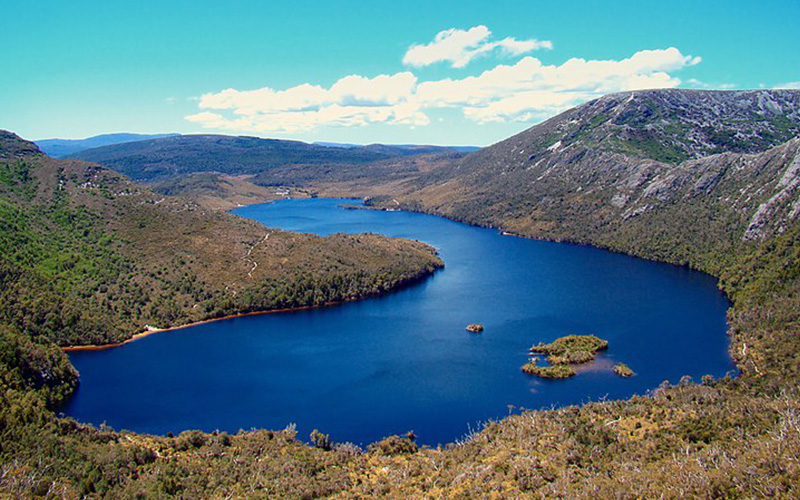
The Nature created by God, it’s biodiversity is just so beautiful & marvelous, for someone who has experienced it. I can tell you by experience that there is no greater way to live one’s life, than by experiencing real bliss by being one with nature. It’s not worth living any other way….

It’s our duty as the most intelligent species on our planet, to protect this bio-diversity and enhance it, to leave our planet, making it better for our children, than what we inherited. Isn’t that human nature? If it is so, than let’s live our true nature. 

Happy World ENVIRONMENT Day to the real human in all of us.

Let their be different life BC (Before Covid) and AC (After Covid). Covid 19 has made us aware of the pitfalls of our earlier living and raised the overall Human Consciousness. Let us evolve as humans and make our Environment, our life, beautiful for all of us….

It’s not really difficult, it just needs a little bit of awareness when we make our day to day choices. Let each one of us start asking ourselves, whether it’s a right choice, or can we make a choice towards sustainable living, impacting our planet and our life positively….

Remember, Every Drop in the Ocean Counts….

In the words of William Wordsworth

The woods are lovely, dark and deep, But I have promises to keep, And miles to go before I sleep, And miles to go before I sleep.

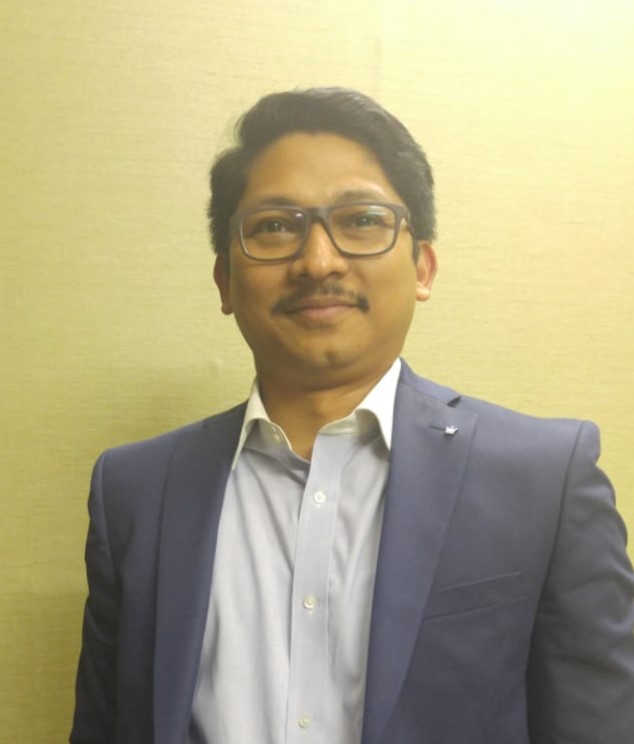
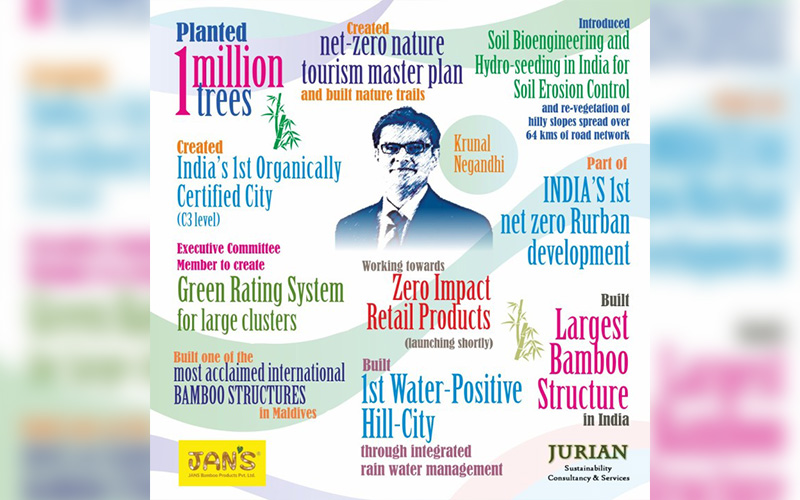
Krunal Negandhi – Passionate Ecopreneur | Creating eco-habitats using bamboo and rammed earth

May God give us All the eyes to see what we really need to see, and the strength to walk our chosen path, the courage to make a difference…….

Om Shanti Shanti Shanti, May there be peace to all of us and all beings…….!!
June 5, 2024 0 comment
2 FacebookTwitterPinterestEmail
Environment

Creating Green Spaces: SEEDS’ Impact on Urban Biodiversity and Resilience through Water Body Restoration

by Team Conscious Carma June 5, 2024
written by Team Conscious Carma

World Environment Day Exclusive – by Arijit Das, Regional Director, SEEDS
Water bodies are vital components of urban ecosystems, offering numerous benefits that extend beyond their aesthetic value. They serve as critical habitats for a variety of aquatic and terrestrial species, thus enhancing urban biodiversity. Water bodies also play a significant role in regulating the urban microclimate, reducing the heat island effect prevalent in cities. Moreover, they are essential for hydrological balance, facilitating groundwater recharge and surface water flow, and acting as natural filters that purify water by breaking down pollutants.

The Decline of Water Bodies in India

As India continues to develop and urbanise, its water bodies are increasingly becoming contaminated. It is believed that approximately 70% of the surface water in India is not safe for consumption. Daily, about 40 million litres of wastewater discharge into rivers and other bodies of water, with only a small portion being properly treated.

Further research suggests that locations downstream from contaminated water sources in India experience a nine percent decline in agricultural revenues and a 16 percent decrease in agricultural yields.

The annual cost of environmental degradation in India is estimated to be around INR 3.75 trillion ($80 billion). The health costs linked to water pollution are estimated to be between INR 470 billion and INR 610 billion ($6.7 billion to $8.7 billion) annually, primarily due to the mortality and morbidity of diarrhea among children under five, along with other health issues in the population. In addition to the economic impact, the lack of adequate water, sanitation, and hygiene is responsible for approximately 400,000 deaths each year in India.

West Bengal: A Case Study in Resilience

West Bengal has been proactive in preserving its natural water bodies through a combination of government initiatives, community participation, and technological interventions. The state’s efforts are particularly focused on wetland conservation, rainwater harvesting, and the enhancement of water quality and availability. also restored its role as a critical ecosystem supporting local wildlife and communities. Through community engagement, SEEDS empowered local residents, particularly farmers, enhancing their livelihoods while promoting environmental stewardship.

  • Wazirabad Lake Restoration: Implementing Nature-Based Solutions

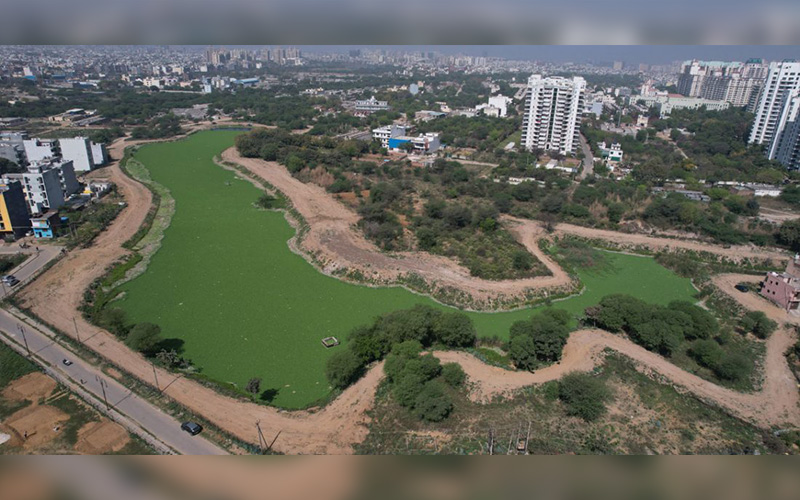
Another significant initiative by SEEDS was the restoration of Wazirabad Lake in Gurugram. This project addressed urban flooding and pollution by rehabilitating the lake into a vibrant recreational and ecological space. The restoration involved bioremediation techniques to improve water quality and the construction of ‘Lake View Park’. This park includes amenities such as a jogging track, children’s play area, and an open gym, transforming the area into a green haven for the community.

The impact of this project was immediate—enhanced green spaces helped absorb excess rainwater, preventing flooding, while cleaner water channels improved the overall health of the ecosystem. This project not only revitalised the lake but also provided a model for sustainable urban development.

  •  Transforming Jharsa Pond

In response to the changing climate, SEEDS, under its national sustainability and community resilience strategy, aims to revive wetlands with historic and cultural significance. The SEEDS Urban Resilience, Governance & Enablement (SURGE) Initiative has made strides in protecting three key water bodies in Delhi, recognising these wetlands as crucial carbon sinks that support surrounding communities. In Jharsa, SEEDS collaborates with local partners to maintain a 2.47-acre intervention area, including a one-acre pond.

With active involvement from seven Resident Welfare Associations, benefiting 657 residents, the initiative has transformed the once neglected Jharsa Pond into a clean, vibrant space. Residents now enjoy it as a picnic spot, expressing immense gratitude to SEEDS for rejuvenating their environment. Virender Tyagi, RWA President of Sector-47, Gurugram, says, “The Jharsa Pond was very dirty earlier, and waste dumping was common. With SEEDS’ support, it’s now a clean, HEAVEN-like place and a popular picnic spot. Residents are immensely happy and grateful for this transformation.”

  • Reviving Haus I Shamsi

One significant initiative is the “Jal Dharo-Jal Bharo” programme, launched in 2011-12, which focuses on large-scale rainwater harvesting and the creation of minor irrigation structures to improve and sustain water resources. This programme has led to the creation and renovation of over 314,522 water bodies up to the year 2019-20, significantly enhancing water availability for agriculture and local communities​​.

In addition to physical water conservation measures, West Bengal has employed the Pressure–State–Response (PSR) model to assess and manage the health of its wetland ecosystems. This model helps in monitoring changes and implementing strategies based on environmental pressure, the state of the ecosystem, and the response actions needed to maintain or improve the health of these areas. Studies like those conducted in the Murshidabad district have shown a detailed approach to evaluating and responding to the ecological challenges faced by these vital water bodies​.

Furthermore, the Department of Water Resources Investigation & Development has been instrumental in implementing these initiatives, ensuring that various types of minor irrigation schemes utilise both groundwater and surface water resources effectively. Their efforts have not only focused on water conservation but also on promoting agricultural and pisciculture activities, thereby supporting the local economy​.

These multifaceted efforts demonstrate West Bengal’s commitment to maintaining its natural water resources sustainably, ensuring that these vital ecosystems continue to support biodiversity, agriculture, and local communities well into the future.

SEEDS’ Contribution to Water Body Restoration

  • Transforming North Bangalore’s Peri-Urban Landscapes

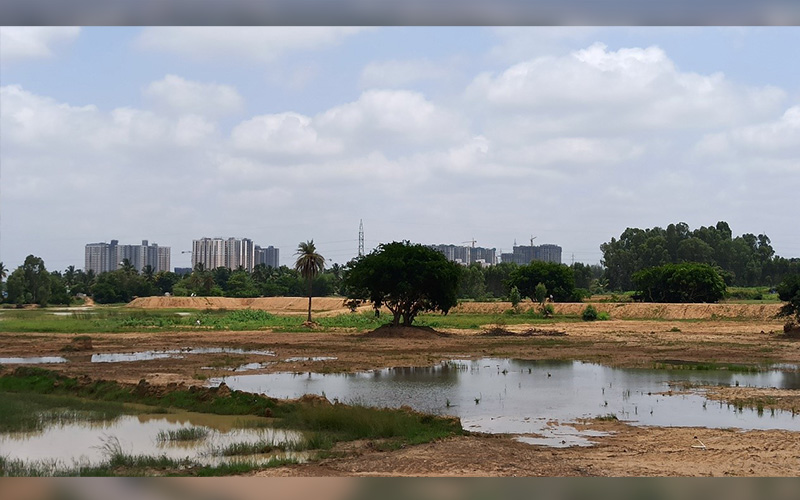
One of notable projects of Sustainable Environment and Ecological Development Society  (SEEDS’) involves the restoration of Huvinayakanahalli Lake in North Bangalore. This area, characterised by rapid urban expansion, witnessed significant ecological degradation. SEEDS, in collaboration with local partners, undertook the restoration of this lake to preserve groundwater levels and sustain local biodiversity.

Key interventions included unblocking the lake’s drainage channels, desilting, and implementing wetland plantations. These efforts not only improved the lake’s water retention capacity but also restored its role as a critical ecosystem supporting local wildlife and communities. Through community engagement, SEEDS empowered local residents, particularly farmers, enhancing their livelihoods while promoting environmental stewardship.

  • Wazirabad Lake Restoration: Implementing Nature-Based Solutions

Another significant initiative by SEEDS was the restoration of Wazirabad Lake in Gurugram. This project addressed urban flooding and pollution by rehabilitating the lake into a vibrant recreational and ecological space. The restoration involved bioremediation techniques to improve water quality and the construction of ‘Lake View Park‘. This park includes amenities such as a jogging track, children’s play area, and an open gym, transforming the area into a green haven for the community.

The impact of this project was immediate—enhanced green spaces helped absorb excess rainwater, preventing flooding, while cleaner water channels improved the overall health of the ecosystem. This project not only revitalised the lake but also provided a model for sustainable urban development.

●       Transforming Jharsa Pond

In response to the changing climate, SEEDS, under its national sustainability and community resilience strategy, aims to revive wetlands with historic and cultural significance. The SEEDS Urban Resilience, Governance & Enablement (SURGE) Initiative has made strides in protecting three key water bodies in Delhi, recognising these wetlands as crucial carbon sinks that support surrounding communities. In Jharsa, SEEDS collaborates with local partners to maintain a 2.47-acre intervention area, including a one-acre pond. With active involvement from seven Resident Welfare Associations, benefiting 657 residents, the initiative has transformed the once neglected Jharsa Pond into a clean, vibrant space. Residents now enjoy it as a picnic spot, expressing immense gratitude to SEEDS for rejuvenating their environment. Virender Tyagi, RWA President of Sector-47, Gurugram, says, “The Jharsa Pond was very dirty earlier, and waste dumping was common. With SEEDS’ support, it’s now a clean, HEAVEN-like place and a popular picnic spot. Residents are immensely happy and grateful for this transformation.”

●       Reviving Haus I Shamsi

Haus I Shamsi, situated in the now urban expanse of modern Mehrauli, is an 800-year-old waterbody that faced encroachment due to centuries of neglect. SEEDS embarked on a mission to restore wetlands of historic and cultural significance under its national sustainability and community resilience strategy. Since 2021, SEEDS has conducted detailed assessments and initiated projects to unclog inlets and outlets, clean duckweed and hyacinth, and manage solid waste. With 25 bio-islands installed to revive aquatic life, the waterbody is gradually transforming into a thriving habitat, attracting birds to nest. This project exemplifies SEEDS’ commitment to preserving wetlands as vital carbon sinks and supporting surrounding communities.

Conclusion

SEEDS’ efforts in water body restoration highlight the profound impact of targeted environmental interventions on urban resilience and biodiversity. By focusing on community involvement and ecological restoration, SEEDS has not only revived numerous urban landscapes but also set a benchmark for sustainable urban planning. Their projects serve as vital blueprints for other cities facing similar environmental challenges, proving that with commitment and cooperation, it is possible to reclaim and rejuvenate our urban ecosystems for future generations. As Dr. Manu Gupta states, “The revival of water bodies such as Hauz-i-Shamsi is one way of mitigating the urban heat island effects caused by rapid urbanization and climate change impacts. But more importantly, it reconnects us with our culture and ethos, where local communities took responsibility for maintaining these collective commons, which are vital for resilience.”

June 5, 2024 0 comment
1 FacebookTwitterPinterestEmail

Recent Posts

  • India–UK Free Trade Agreement Opens Global Growth Opportunities for 3R ZeroWaste’s Circular Economy Solutions
  • Plastic Free July: Why True Sustainability Goes Beyond Swapping Plastic
  • From the Editor’s Desk: When Greed Takes Over Conscience
  • Beyond the Pose: Why Your Yoga Mat Needs a Sustainable Upgrade
  • Best Sustainable Father’s Day Gifts: Conscious Carma’s Exclusive Picks

Recent Comments

  • Team Conscious Carma on Label Shivika Agarwal – where craft meets sustainability
  • Cocomeister.jp on Label Shivika Agarwal – where craft meets sustainability
  • Team Conscious Carma on Equitable City Designs To Fight Climate Change
  • UN report calls for repurposing of USD 470 billion of agricultural support that distorts prices and steer us away from environment and social goals | Consciouscarma on UNEP & ICMR collaborate to boost understanding of environmental dimensions of antimicrobial resistance in India
  • Wild Earth : Natural body products | Consciouscarma on Sat.Suma : the true essence of flowers in your everyday skincare needs

Keep in touch

Facebook Twitter Instagram Youtube

Recent Posts

  • India–UK Free Trade Agreement Opens Global Growth Opportunities for 3R ZeroWaste’s Circular Economy Solutions

  • Plastic Free July: Why True Sustainability Goes Beyond Swapping Plastic

  • From the Editor’s Desk: When Greed Takes Over Conscience

  • Beyond the Pose: Why Your Yoga Mat Needs a Sustainable Upgrade

  • Best Sustainable Father’s Day Gifts: Conscious Carma’s Exclusive Picks

  • How Sacred Sound is Reshaping the Future of Holistic Health?

Categories

  • Community (38)
    • Campaigns (3)
  • CSR (4)
  • Economy (82)
    • Global (24)
    • Industry (42)
    • Innovations (4)
    • National (2)
  • Environment (48)
  • Expert Corner (48)
    • Authored Articles (47)
  • Featured (5)
    • Partners (1)
  • Global News (2)
  • Initiatives (31)
    • CSR (3)
    • Events (6)
  • Inspiration (22)
  • Lifestyle (9)
  • Media Coverage (6)
  • Press Releases (4,358)
  • Products (126)
    • Accessories (27)
    • Apparel (32)
    • Beauty (26)
    • Food (4)
    • Gifting (3)
    • Home Décor (15)
    • Skin-Care (14)
  • Reports (3)
  • Spirituality (10)
  • Sustainability (49)
  • Sustainable Startup Stories (28)
  • Travel (19)
  • Uncategorized (2)
  • Wellness (33)
    • Home Cleaners (3)

Archives

  • August 2026 (1)
  • July 2026 (1)
  • June 2026 (6)
  • October 2024 (1)
  • September 2024 (1)
  • July 2024 (2)
  • June 2024 (2)
  • May 2024 (1)
  • November 2023 (330)
  • October 2023 (554)
  • September 2023 (631)
  • August 2023 (718)
  • July 2023 (723)
  • June 2023 (710)
  • May 2023 (608)
  • April 2023 (114)
  • March 2023 (7)
  • February 2023 (3)
  • January 2023 (11)
  • December 2022 (18)
  • November 2022 (1)
  • August 2022 (6)
  • July 2022 (8)
  • June 2022 (24)
  • May 2022 (11)
  • April 2022 (19)
  • March 2022 (11)
  • February 2022 (11)
  • January 2022 (14)
  • December 2021 (10)
  • November 2021 (4)
  • October 2021 (14)
  • September 2021 (22)
  • August 2021 (12)
  • July 2021 (17)
  • June 2021 (17)
  • May 2021 (16)
  • April 2021 (22)
  • March 2021 (33)
  • February 2021 (16)
  • January 2021 (22)
  • December 2020 (10)
  • Facebook
  • Twitter
  • Instagram
  • Pinterest
  • Linkedin
  • Youtube

@2020 - All Right Reserved. Designed and Developed by Bizopser Technologies

Consciouscarma
  • Home
  • About Us
  • Products
  • Community
    • Campaigns
    • Inspiration
    • Initiatives
    • CSR
  • Features
    • Sustainable Startup Stories
    • Travel
    • Lifestyle
    • Partners
  • Economy
    • Industry
    • Innovations
    • National
    • Global
  • Environment
  • Expert Corner
    • Authored Articles
    • Reports
  • Magazine
  • Contact