Consciouscarma
  • Home
  • About Us
  • Products
  • Community
    • Campaigns
    • Inspiration
    • Initiatives
    • CSR
  • Features
    • Sustainable Startup Stories
    • Travel
    • Lifestyle
    • Partners
  • Economy
    • Industry
    • Innovations
    • National
    • Global
  • Environment
  • Expert Corner
    • Authored Articles
    • Reports
  • Magazine
  • Contact
Category:

Economy

The countries, the governments, the non-profit organisations are all working towards changing the world for better, protecting the environment, shifting to renewable resources, inventing new technologies, innovating new ways of manufacturing, producing, distributing, packaging and living etc to reduce the carbon footprint

EconomyGlobal

New Zealand aims to ban smoking for people born after 2004

by Team Conscious Carma April 16, 2021
written by Team Conscious Carma

New Zealand has announced a suite of proposals which would gradually increase the legal age of smoking over time in an effort to make the nation smoke-free by 2025.

Also under consideration was a significant reduction in the level of nicotine allowed in tobacco products, prohibiting filters, setting a minimum price for tobacco, and restricting the locations where tobacco and cigarettes can be sold.

“We need a new approach if the nation wants to reach its goal,” Associate Health Minister Dr Ayesha Verrall said, announcing the changes. “About 4,500 New Zealanders die every year from tobacco, the “best way” to achieve a “smoke-free future” is to prevent people from ever starting to smoke. Business-as-usual without a tobacco control program won’t get us there.”

“Over 75 percent of smokers have tried to quit but smoking is primarily driven by addiction. This makes quitting extremely difficult even though most smokers want to do so. We must provide people with better support in their decisions to stop smoking and in their quit journeys” explained Dr. Verrall.

The proposals were welcomed by a number of public health organisations. “This proposal goes beyond assisting people to quit,” Cancer Society chief executive Lucy Elwood said in a statement. She noted that the number of tobacco retailers was four times higher in low-income communities, where smoking rates were highest.

“These glaring inequities are why we need to protect future generations from the harms of tobacco,” Elwood said. “Tobacco is the most harmful consumer product in history and needs to be phased out.”

But the plans also faced criticism for potential unintended consequences and the possibility of an expanded black market for tobacco.

The proposals have been criticised by right-wing political party ACT, who said one of the restrictions being looked at – lowering the amount of nicotine in cigarettes – could end up negatively affecting working-class smokers as they would need to buy more cigarettes in order to get the same hit.

New Zealand has a population of about five million people and it’s estimated that about 500,000, or one in 10 smoke daily. Smoking accounts for one in four cancer deaths in New Zealand with Māori people worst affected. Māori women have the country’s highest smoking rates, with about 30% smoking daily. Cancer is the leading cause of death for Māori women and the second leading cause for Māori men.
April 16, 2021 0 comment
0 FacebookTwitterPinterestEmail
EconomyGlobal

Australia is banning ‘biodegradable’ plastic

by Team Conscious Carma April 12, 2021
written by Team Conscious Carma

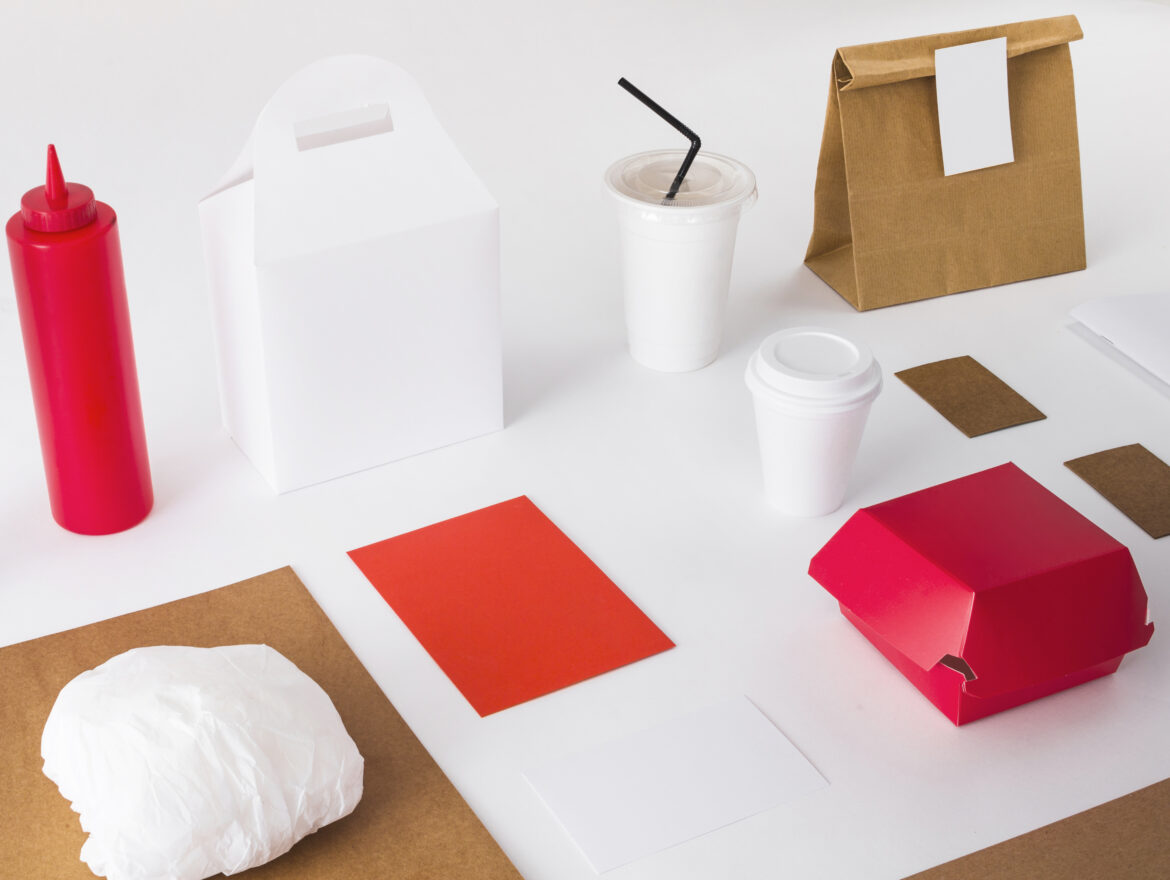
Australia’s federal government has launched its National Plastics Plan to fight plastic on various fronts, such as banning plastic on beaches, ending polystyrene packaging for the takeaway container, phasing microplastic filters in washing machines and banning the main form of biodegradable plastic. 

The plan mentioned that the government will work with industry to fast-track the phasing out of plastic packaging products that do not meet relevant compostable standards and expanded polystyrene (EPS) in consumer packaging by July 2022, while EPS in food & beverage containers and PVC packaging labels by December 2022.  Industry to transition towards 100% packaging being reusable, recyclable or compostable by 2025. 

Many biodegradable plastics are just regular fossil-based plastic with chemicals added to make it break down faster and pollute the environment with microplastics. Also, some biodegradable plastics are made from plant-based plastics that are not suitable for home composting as they require precise conditions to break down.

Plastic packaging represents approximately one million tonnes of Australia’s annual plastic consumption. In 2018-19 about 85% of plastics no longer used were disposed to landfill. This has resulted in at least 50 megatonnes of plastic accumulating in Australian landfills.

The simplest way to reduce plastic waste is to avoid unnecessary and problematic plastics. Improving product design is the most effective way to reduce the amount of plastic waste we create.

The government will also be holding a  Plastics Design Summit in 2021 for product designers and manufacturers to showcase their sustainable product design.

It is also regulating waste plastic exports by banning the export of unsorted mixed plastic from 1 July 2021 and unprocessed single polymer or resin plastics from 1 July 2022.

Facts about plastics

Australia uses around 70 billion pieces of soft “scrunchable” plastics including food wrappers each year.

  • Australians used 3.4 million tonnes of plastics in 2018-2019.
  • One million tonnes of Australia’s annual plastic consumption is single-use plastic 84% of plastic is sent to landfill and only 13% is recycled.
  • Every year in Australia approximately 130,000 tonnes of plastic leaks into the marine environment.
  • Our use of plastic is increasing and across the world will double by 2040.
  • By 2050, it is estimated that plastic in the oceans will outweigh fish.

Source: https://www.environment.gov.au

April 12, 2021 0 comment
0 FacebookTwitterPinterestEmail
EconomyIndustry

Vedanta’s ‘waste to wealth’ programmes foster local MSMEs in rural Odisha and Chhattisgarh

by Team Conscious Carma April 9, 2021
written by Team Conscious Carma

Vedanta Aluminium & Power Business, India’s largest producer of aluminium and its value-added products, is fostering hundreds of MSMEs in remote rural areas with its innovative ‘waste to wealth’ programmes. ‘Waste to wealth’ projects form a key pillar of Vedanta’s sustainability agenda that is centred around ‘Zero Harm, Zero Waste and Zero Discharge’. With a world-class alumina refinery at Lanjigarh (Odisha) and state-of-the-art aluminium smelters at Jharsuguda (Odisha) and Korba (Chhattisgarh), the company has been instrumental in triggering socio-economic development in some of the country’s aspirational districts.

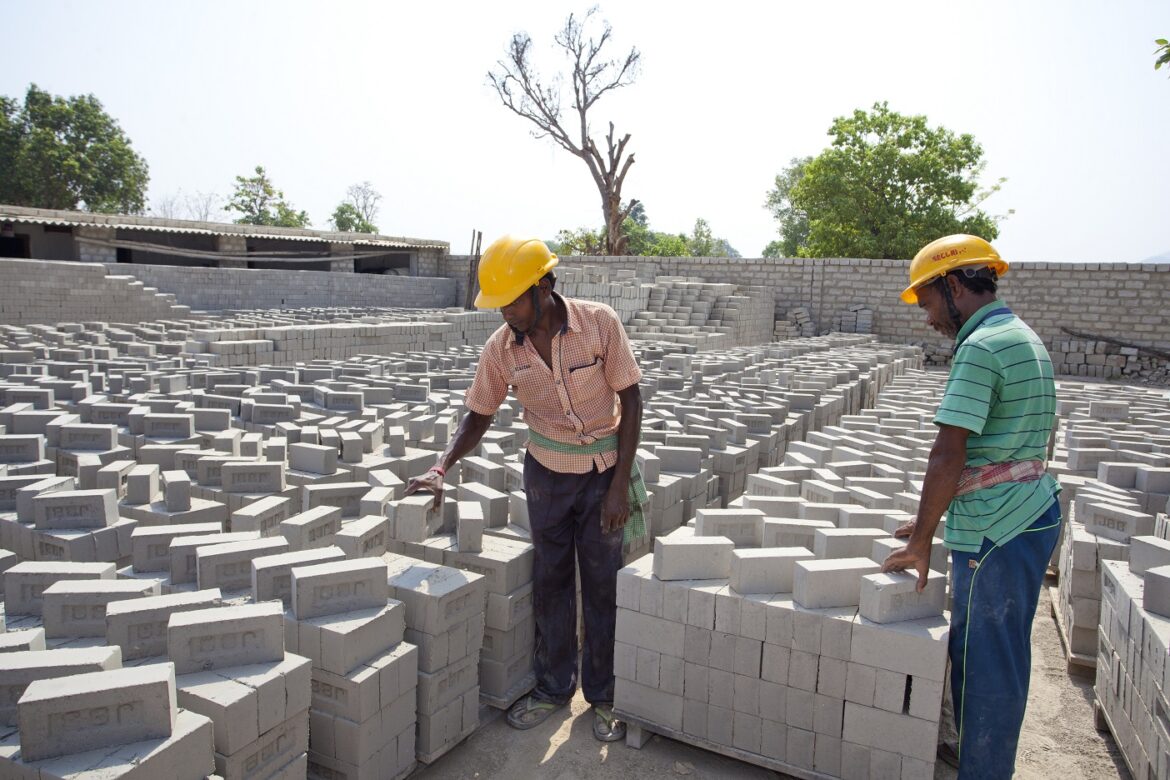
One such innovative programme being run by Vedanta for fostering local micro-enterprises is fly-ash brick making. The company supports over a hundred brick manufacturing MSMEs situated around and beyond its areas of operations with fly ash free of cost to their doorsteps, amounting to nearly 5 lakh metric tonnes per annum. In addition, the company also provides know-how and training on manufacturing these bricks in partnership with technical institutes, thus creating employment avenues as well as promoting a circular economy. The beneficiaries of this project are underprivileged villagers who would otherwise depend on cattle rearing, subsistence agriculture or would migrate to other states to work as construction labourers for their livelihood. At Lanjigarh (Kalahandi district, Odisha), more than 90% of fly ash generated at the company’s alumina refinery is used by local entrepreneurs in their brick manufacturing units.

Mr Rahul Sharma, Dy CEO – Aluminium Business, Vedanta Ltd said, “At Vedanta, we integrate smart innovation, best-in-class technologies and global best practices to create value for the nation. A strong sustainable development agenda guides all our actions and business decisions, and we are committed to nurturing MSMEs in all our areas of operations. We understand that this responsibility becomes even more pertinent now that a lot of migrant labourers have receded back to their villages in the wake of the pandemic and need sustainable livelihoods in these remote areas.  All of our business units have robust waste management systems in place and scientifically manage the ‘reduce, reuse and recycle’ trifecta of value-creation by working with local entrepreneurs and community members.”

Kirti Chanda Bihidar, a resident of Kolabira village, who runs his own fly ash brick making unit at Jharsuguda, says, “I am thankful for Vedanta’s presence at Jharsuguda, as it has opened up immense opportunities for small entrepreneurs like us to run successful businesses. Today, I get my raw material free of cost delivered to my shop by Vedanta. On an annual basis, I make about 50 lakh bricks which are mostly used for construction purposes. This business is giving me a very healthy turnover, which is growing rapidly, and I feel proud to be able to provide employment opportunities to others. I hope more people make use of the avenues provided by Vedanta to set up their own businesses.”

All units of Vedanta’s aluminium business have laid down plans for 100% utilization of fly ash generated at their respective power plants. Besides brick manufacturers, they are also supplying ash to cement manufacturers and for highway construction, building green roads with it, backfilling mine voids for restoring mined-out areas, among other such avenues. In FY21, Vedanta achieved the highest ever fly ash utilization of 117% through these methods and is now looking to expand its ecosystem of MSME partners even further by including more local fly ash brick manufacturers into the fold.

Vedanta Aluminium & Power Business, a division of Vedanta Limited, is India’s largest producer of Aluminium, producing almost half of India’s aluminium or 1.9 million tonnes per annum (MTPA) in FY20 and is also one of the largest private power producers in the country. Bharat Aluminium Company (BALCO) is a part of Vedanta’s Aluminium and Power Business. Vedanta is a leader in value-added aluminium products that find critical applications in core industries. With its world-class smelters, power plants and alumina refinery spread across India, the company fulfils its mission of spurring emerging applications of aluminium as the ‘Metal of the Future’ for a greener tomorrow.

Disclaimer:

This press release contains “forward-looking statements” – that is, statements related to future, not past, events. In this context, forward-looking statements often address our expected future business and financial performance, and often contain words such as “expects,” “anticipates,” “intends,” “plans,” “believes,” “seeks,” “should” or “will.” Forward-looking statements by their nature address matters that are, to different degrees, uncertain. For us, uncertainties arise from the behaviour of financial and metals markets including the London Metal Exchange, fluctuations in interest and or exchange rates and metal prices; from future integration of acquired businesses; and from numerous other matters of national, regional and global scale, including those of a political, economic, business, competitive or regulatory nature. These uncertainties may cause our actual future results to be materially different than those expressed in our forward-looking statements. We do not undertake to update our forward-looking statements.

April 9, 2021 0 comment
0 FacebookTwitterPinterestEmail
SORT
EconomyIndustry

S.O.R.T. (Segregation of Organic Waste for Recycling and Treatment)

by Team Conscious Carma April 6, 2021
written by Team Conscious Carma

Indian Pollution Control Association (IPCA), a Delhi based has launched a project “S.O.R.T.” (Segregation of Organic-Waste for Recycling and Treatment) supported by Swarn Lata Motherson Trust in Delhi NCR. In this project, waste is being minimized by source segregation and composting through a Sustainable Approach to Solid Waste Management.

The project is being conceptualized with the aim of maximizing the utilization of resources and reducing the waste, which would indirectly result in less air, water and soil pollution, reducing pressure on landfill sites and reducing cost on transportation. The principal objective of the project is to motivate community participation in qualitative segregation of waste to increase the recycling rate of waste material and enable the operation of Aerobin for composting of organic household waste. SORT has already been implemented in a few residential societies and colonies in Noida & Delhi and is aiming to implement a decentralised solid waste management system in more residential colonies, educational institutions and corporate office.  

“Under project SORT, IPCA is reaching to stakeholders including residents, maids, children and waste collectors and educating them on source segregation of waste. IPCA is also installing composters bin at the project locations, already installed more than 100 composter bins to date (each with 400 ltr capacity). The composter bins are very innovative with respect to their design and can convert organic waste into compost within 40 days without any chemical and electricity. These bins do not release any foul smell also. Residents are very excited with this project as they have now adopted source segregation practices and have received 100% solution to their waste and using end product of their waste I.e. compost in developing vegetable garden within their residential society”, says Ashish Jain, Founder IPCA. 

SORT has brought a remarkable impact on the environment, society and economy. More than 80% of residents of each project location are now segregating waste. Another major outcome of SORT is that organic waste got converted into compost at the project location itself and no wet waste going out from the project location for dumping, waste collectors are getting much clean and less contaminated recyclable waste, thereby reducing the health risk of waste workers and they are now able to sell recyclable waste at a better price. thus, 

At IPCA, we believe in providing sustainable solution and for us, sustainability means when a system runs on its own and does not require external force to run it. Therefore, IPCA has developed a system, in which people got aware and understood the importance of segregation. they also got composter bin in their society and their housekeeping team got training to operate the same. therefore, IPCA has handed over the system to society and they are indeed running it very well. Now IPCA will replicate SORT in another 30 societies of Delhi NCR in the coming financial year.

About IPCA:

Indian Pollution Control Association (IPCA) is an NGO established in the year 2001 with the support of the Indian Institute of Technology, Delhi.  The organization works in four domains viz., Environmental Education and Awareness, Solid Waste Management, Air Quality Management, Research & Development.

April 6, 2021 0 comment
0 FacebookTwitterPinterestEmail
volvo car
Economy

Volvo Cars give all employees 24 weeks of paid parental leave

by Team Conscious Carma April 4, 2021
written by Team Conscious Carma

Swedish car maker Volvo has announced a gender neutral, inclusive and adaptable to personal needs, paid parental leave policy as of April 1, 2021.

The ‘Family Bond’ policy will give all employees with at least one year’s service a total of 24 weeks of leave at 80 per cent of their base pay by default. The policy applies to either parent and the leave can be taken anytime within the three first years of parenthood.

“We want to create a culture that supports equal parenting for all genders,” said Håkan Samuelsson, chief executive. “When parents are supported to balance the demands of work and family, it helps to close the gender gap and allows everyone to excel in their careers. We have always been a family-oriented and human-centric company. Through the Family Bond programme, we are demonstrating and living our values, which in turn will strengthen our brand.”

The global policy is more inclusive and supportive than many existing policies around the world, and includes all legally registered parents, including adoptive, foster care and surrogate parents, as well as non-birth parents in same-sex couples. Some countries do not offer any paid leave to new parents, or exclude certain groups of parents – the latter is particularly true for fathers.

Volvo Cars’ global policy is inspired by national legislation in its home market of Sweden, famous around the globe for its generous parental leave arrangements, which have delivered tangible benefits for parents and children alike in recent decades. It follows a parental leave pilot scheme launched in the EMEA region in 2019, in which 46 per cent of all applicants were fathers.

“This is more than a new parental leave policy for our employees – it is the embodiment of our company culture and values,” said Hanna Fager, head of corporate functions. “We want to lead change in this industry and set a new global people standard. By opting all our employees into paid parental leave we narrow the gender gap and get a more diverse workforce, boosting performance and strengthening our business.”

About Volvo Car Group

Volvo Cars was founded in 1927. Today, it is one of the most well-known and respected car brands in the world with sales of 661,713 cars in 2020 in about 100 countries. Volvo Cars has been under the ownership of the Zhejiang Geely Holding since 2010.

As of December 2020, Volvo Cars employed approximately 40,000 (41,500) full-time employees. 

Under its new company purpose, Volvo Cars aims to provide customers with the Freedom to Move in a personal, sustainable and safe way. This purpose is reflected in a number of business ambitions: for example, by the middle of this decade it aims for half of its global sales to be fully electric cars, to sell half of its global volume online and to establish five million direct consumer relationships. Volvo Cars is also committed to an ongoing reduction of its carbon footprint, with the ambition to be a climate-neutral company by 2040

Source: Volvocars.com

Note: The content has been edited for style and length

April 4, 2021 0 comment
0 FacebookTwitterPinterestEmail
Economy

Notebook initiates dialogue on awareness, acceptance and inclusion of autism in Education on World Autism Awareness Day

by Team Conscious Carma April 2, 2021
written by Team Conscious Carma

Notebook, a mobile-first digital learning product that combines video and text content to deliver best-in-class hosted a discussion on celebrating the difference & overall inclusivity of those on the autism spectrum enabling them to live full, quality lives through awareness and acceptance.

To reach out to the masses, Notebook organized an online panel discussion on the 2nd of April 2021, on the topic ” Inclusivity of individuals on the autism spectrum in the Education system”. Joining Achin Bhattacharyya, Founder and CEO, Notebook on the panel were Vahbiz Mistry, Core Group Member Forum of Autism, Dr. Sujata Noronha, Director, Kidstreat Pediatric Development Centre and Christina Prabhakar Vaz, Parent & Autism Advocate. 

This special webinar was the 87th episode of “Together for Education”- a series of webinars for educators and parents that Notebook has been organizing since April 2020 and has been attended by over 50,000 educators so far. This particular episode was conceptualized with an aim to start conversations around the challenged and opportunities that lie with children on the autism spectrum when it comes to learning and education. 

Sharing his views on the same, Achin Bhattacharyya, Founder & CEO, Notebook, said, “We believe the knowledge gap can be bridged with open discussions and dialogue.  Having served over 2 Million students now, Notebook has emerged as a leader in the digital education system. Besides growing as a business, we consider it a responsibility to create a positive social impact. Given the phenomenal success of the Together for Education webinar series, we believe it can be a springboard towards the inclusion of differently-abled children into our school education system.”

About Notebook:

Notebook is India’s first after-school learning app. Engaging audio-visual content is used to deliver lessons tailored to the school curriculum. Teachers have access to these videos in the classroom, using the content to introduce topics, build interest, and help students to better visualize concepts. At home, students access the same videos from their personal connected devices – smartphones, laptops, desktops and internet-enabled televisions – to revise topics, prepare for examinations and benefit from the freedom that on-demand lessons afford them. Started in 2018, Notebook has now catered to over 20 lakh students across India and abroad. More than 10,000 videos cover topics from classes I to XII of the CBSE board, alongside vernacular-aided lessons for U.P. Board and W.B. Board. Over 250 professionals, experienced educators and creative artists work round the clock to ensure that curricular content is delivered to the students in the most engaging possible way. At the onset of the COVID-19 lockdown, Notebook offered its content to all students free of charge, enabling schools to conduct online classes using Notebook videos. This has led to deep and meaningful engagement with schools, and empowered teachers to cope with the lockdown better. Notebook also conducts regular online training sessions for teachers to help them manage online classes with greater ease. Powered by Notebook videos, Ramakrishna Mission Schools in Gwalior, M.P. became India’s first school to announce a completely online academic session to ensure safety of their students.

April 2, 2021 0 comment
0 FacebookTwitterPinterestEmail
EconomyIndustry

Q&A with Parag Kathuria; Director of Sales and Marketing, Reethi Faru Resort

by Team Conscious Carma March 30, 2021
written by Team Conscious Carma

In a Nutshell

It would be an understatement to say that 2020 has been a year of change and reflection! Never before did we witness such dynamic pricing and flexible cancellation policies across the travel, aviation and hospitality industry. As the world is going from one lockdown to the next, those who are fortunate to move about are planning on safe and sustainable travel. And that’s great news, as what’s not good for the environment can never be good for business. At Reethi Faru we are proud of the work we do in the space of sustainability and the larger impact we create with our guests and patrons across geographical boundaries.

What are some of the environmental challenges that the Maldives is witnessing and how is Reethi Faru contributing to the aspects of sustainability?

No spot on the face of the earth is untouched by the impacts of global warming – being an island nation the Maldives is one of the most vulnerable countries and therefore the need to adapt and fight back to preserve its existence is greater than others. The irony is that while the Maldives is barely a contributor to greenhouse emissions, it faces some of the worst consequences. The coral reef ecosystem is sensitive but quintessential for sustainable oceans – buffering shorelines against harsh waves, storms and even floods. Particularly vulnerable to the effects of climate change, we are witnessing depletion in marine life, and the death of coral reefs.

Hope floats as the Maldives is beginning to turn the tide. And more and more resorts are beginning to employ sustainable practices. At Reethi Faru, it’s encouraging to see how our senior leadership, mindful of contributing towards planet | people | positivity, lay a strong foundation towards a sustainable tomorrow. And now it’s upon us to further the cause. We have specialized programs in the marine segment that not only help revive the coral population but also focus on adding diversity. Our coral nurseries are a live example of our ongoing efforts.

Have you seen any major shift in the travel pattern or new emerging markets?

Last year the Maldives witnessed the influx of over 500,000 visitors, and this year we have already welcomed over 92,102 travellers. As per the stats, approximately 2,900 visitors are arriving here each day. While Europe (DACH countries) has always been a strong market for us, quite interestingly, India, Russia/CIS and Ukraine are fast emergings as strong players. In the context of Russia/CIS and Ukraine, family holidays and the time spent together in peace and harmony with a little bit of adventure are the driving factors. It won’t be entirely wrong to say that of late, Maldives has become the hub for first-timers and honeymooners looking for an exotic vacation, especially from India. We are quite proud of the fact that most of the young travellers, conscious of cause and effect, are choosing us for our commitment towards sustainability. While it is a win-win situation for all, these young eco-warriors are a hope for a better tomorrow!

Going forward, what should we expect from Reethi Faru in the space of sustainability?

We do not believe in over-promising and under-delivering. We have set a benchmark for us and are quite proud of all the good that we have done since the day of our conception. While technically, we are quite sound in our energy-conservation methods deployed across the island, we are equally proud of our initiatives underwater as well. We have a few more ideas that we would put into action soon, but more than announcing more and more initiatives, we want to focus our efforts on continuing what we have already set into motion. Sustainability is not a touch-and-go kind of concept; it needs constant nurturing and enhancements and that’s what’s going to be our focus going forward.

The travel and Hospitality industry will never be the same again. What do you foresee vis-a-vis these industries post the recent pandemic, COVID-19?

It goes without saying that the travel and hospitality industry was by far the worst-hit segments and one not only needs to think about how to recover from this but also focus on the emerging trends that going forward will decide the fate of these industries. Our industry’s vulnerabilities are multi-faceted. That also means that the years gone by have well prepared us to think ahead and plan for tomorrow. Just as the impact of COVID-19 will begin to fade further and more countries will open their borders, it will be crucial for resorts to act in a proactive manner by effectively managing pricing and marketing strategies that directly impact revenues but more importantly make travellers feel safe. Recent studies strongly indicate that there’ll be a major shift in the future travel pattern, where individuals will opt for more and more sustainable travel and stay options. At Reethi Faru, we have been conscious about our relationship with the environment and we are well prepared to host the new wave of eco-conscious travellers. Our continuous initiatives in the marine and energy conservation segment ever since the conception of our resort affirm that sustainability is in our DNA.

Does Reethi Faru have programs/activities with guest-connect to impart know-how of the causes it is championing?

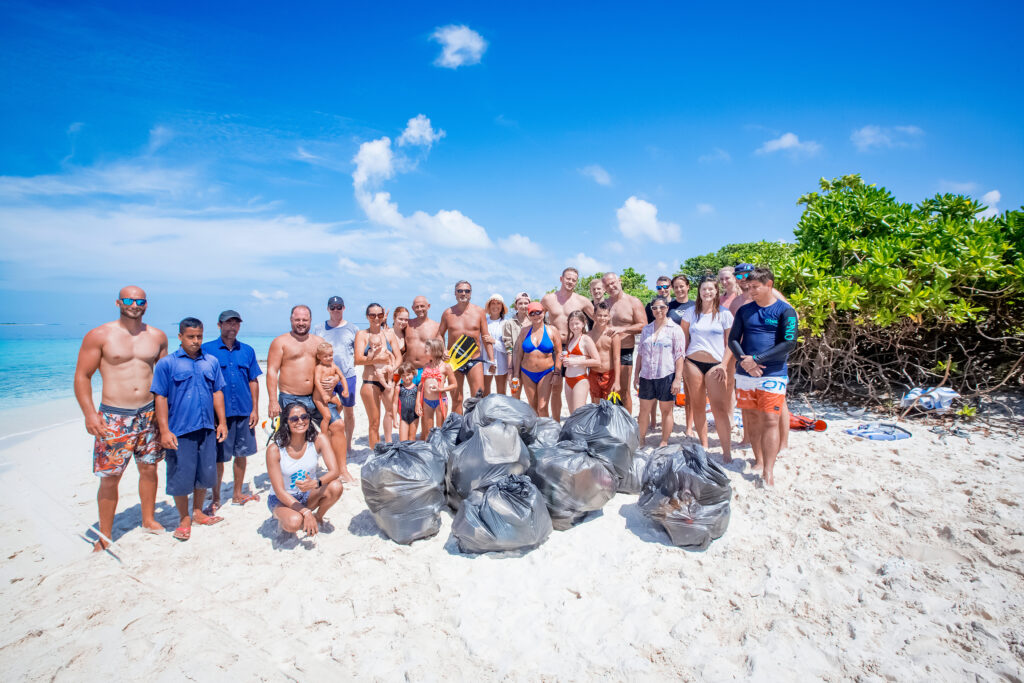
We are certain of the fact that without doing anything, nothing will change, but we are also aware that alone we can only start the fire, but for it to become a revolution, more and more like-minded and socially aware people need to join in. And who better than those who choose us for our best practices. We have a weekly guest engagement program called the Management Cocktail, where guests and selected members of the staff interact on various subjects. Our Resort Manager along with our front-line team including F&B | Front Office| Marine Biologist | Dive Center and Marketing experts all come together to impart all the good we have been doing in the sustainability space. It’s imperative for us to assure them that they are choosing us for all the right reasons. We also have various activities like beach and reef cleaning, coral adoption, plant a tree that witnesses active guest participation. Before the pandemic, we were also giving our guests a technical tour of our island to walk the talk about energy conservation and eco-friendly initiatives. We hope to revive it soon.

March 30, 2021 0 comment
0 FacebookTwitterPinterestEmail
IndustryTravel

Reethi Faru Resort: Leading eco-tourism in the Maldives

by Team Conscious Carma March 29, 2021
written by Team Conscious Carma

Dusk is approaching and dramatic clouds takeover the paradise sky – filled with shades of hope of a sustainable tomorrow! While cities around the globe are still adapting to the ‘new normal’, Maldives has been blissfully blessed to shelter the new wave of travellers into its safe haven. It is one of the most visually stunning destinations where shades of aquamarine blend seamlessly with the white sand amidst the tropical foliage. This unique blend has been drawing visitors for decades to explore its waterscapes and landscapes and the quintessential underwater magic. Taking the responsibility of maintaining that fine line of responsible tourism, many resorts across the region are including sustainable practices going forward.

One such eco-conscious resort, dedicated to the cause of sustainability is Reethi Faru Resort, translating to a beautiful reef in Dhivehi – the Maldivian language! A stunning bio- luxury resort on the secluded, private island of Filaidhoo, Reethi Faru has been dedicatedly working towards maintaining the perfect harmony between all the elements of nature – from marine life rehabilitation to planting of coral reefs, from incorporating the biggest solar panel installations to wastewater treatment plants. This resort is a forward-thinking establishment taking the right steps today to ensure that tourism and one of the world’s most fragile ecosystems can both coexist in harmonious sync with each other in days to come.

Established in 2017, its alluring 150 secluded hideaway villas are surrounded by breathtaking land and waterscapes. Their meticulously thought through a channel of construction, ensured that no trees are cut down during the course – the ones that had to be removed, were safely relocated to other parts of the island. The mobilization of machinery, which would harm corals in the lagoon was also avoided. While setting up the beams for the jetties and water villas, the corals were safely relocated within the house reef as was the case during the placement of wave breakers. To tackle the issues of beach erosion, wave-breakers have been placed in critical areas around the island.

Sustainable initiatives – recovering, growing and diversifying house reef

The island boasts of a charming lagoon, with its house reef just thirty to eighty meters from the shore. As an on-going mission to restore its house reef, ever since the development phase, the resort has conceived various methods and techniques, in sync with its marine biologist, towards coral growth and conservation, and continue to do so. Upon carefully observing the changes in the ecosystem, the resort team has been modifying and using techniques to create artificial reefs and transplant corals to coral nurseries. Coral nurseries and artificial reefs are forms of active reef restoration aimed at increasing coral health, diversity, and abundance.

“The impacts of climate change have been devastating on the coral reefs around the world. Therefore, it is imperative to focus on finding solutions to this problem. At Reethi Faru, we have been restoring the coral reef around the island using various methods – from creating artificial reefs using metal frames to rope nurseries, and also went one step further by setting up our very own land-based coral nursery. We hope that all these efforts, along with our ongoing sustainable initiatives for energy and waste management, will help us get back on track with protecting and conserving our natural environment.”

–Marine Biologist – Smrutica Jithendranath

The artificial reefs were established with the aim of salvaging corals that have been damaged by coral bleaching and natural storms. Accumulated in one area, these artificial reefs form a coral garden that has been given the name ‘Reethi Garden’. The transplantation process includes collecting broken or damaged pieces of live corals and attaching them to coral frames. This gives the corals a chance at survival and aids in the enhancement of existing reef habitats.

The team’s new goal is to increase and improve the diversity of the coral species in the reef. Resilient coral species that have overcome and survived the bleaching are being identified and categorized as either abundant or non-abundant species. Currently, the focus is on breeding and growing the non-abundant species in their coral nursery that will eventually be replanted in the natural reef.

Reethi Day: Celebrating and conserving the environment

Mindful of protecting the environment, both marine and terrestrial, conceived their monthly event -Reethi Day (Beautiful Day in Dhivehi) – to celebrate the environment and help conserve it through education and activities. Interestingly, their in-house guests actively participate in coral planting, reef and beach clean-ups, tree plantation, educational presentations, guided awareness snorkels and more! Their Environmental and Marine Center serves towards marine research and plays the part of a useful educational tool to impart the importance of marine biology/ conservation.

It’s pretty safe to say that the one thing people around the globe have missed the most in the past year has been the opportunity to travel and discover new places. And it doesn’t come as a surprise that travellers are consciously opting for sustainable choices, to feel safer, and comfortable and in some sense giving back to the environment.

“We sleep better knowing that when we are wide awake, we are doing all that we can to care | contribute | conserve the world that we owe our very own existence to!”

Resort Manager – Vittoriano Ummarino

Sustainability at its core

The plush villas here demonstrate opulence right from the entrance, and what makes them more righteous is the core principles they are built upon. Constructed using a combination of soil stabilized earthen blocks and aerated cement blocks (made in-house) – both eco-friendly materials – functioning as natural heat insulators that help keep the carbon footprint as low as possible. This eco-conscious resort synonymous with sustainability – in principle and practice – boasts of six restaurants, six bars, an infinity pool, a sports complex and gym, a dive and watersports centre and a spa. Sheer seclusion and splendour are what you’ll get at this ultimate escape. With over 400 staff members, Reethi Faru has employees from diverse backgrounds and locals alike.

“A business must exist for a greater purpose than just shareholder returns – there lies a greater responsibility of respecting the land and its resources. From generating the highest capacity of solar power (1 megawatt) in the Maldives to producing our mineral water on-site – from producing fuel through biogas plant to using wastewater for irrigation – Reethi Faru Resort has implemented effective ways to conserve and protect the environment.”

-Director of Engineering – Kasi Rao Pothamchetty

At any given day 60%- 70% of the overall load of the island, during the day, is met by using solar energy, resulting in a reduction of carbon footprint significantly. The remaining electricity required is produced by state-of-the-art energy-efficient diesel generators fitted with a heat exchanger system that helps produce hot water for the entire resort, helping them avoid the use of electrical or gas boilers. Furthermore, they have 3 in-house RO Plants that desalinates seawater and converts it into freshwater.

Recycling Waste and banishing single-use plastic

Committed to reducing the impact of waste generated by their operations, Reethi Faru Resort has a dedicated waste segregation facility on its island. They strongly believe in implementing the 3R’s of waste management – Reduce, Reuse and Recycle – with a dedicated waste segregation facility on its island. All food waste generated in the resort is segregated and directed to their in-house biogas plant, which generates biogas from food waste, which is in turn used for cooking- thereby reducing the need for traditional, non-renewable cooking gas.

The resort is working towards managing and recycling plastic waste on the island, to avoid and intercept their entry into the marine ecosystems. Additionally, they have implemented the use of paper straws instead of plastic and switched from plastic bottles to glass bottles in all the guest areas. 99% of the lights around the island are LED as part of the resort’s conservation plan. The refrigerant gas used in refrigeration and air conditioning is eco-friendly which is free of CFCs. Electric bikes and carts are used to commute and baggage transfer within the island.

Accolades for its efforts

Reethi Faru Resort won the Indian Ocean’s Leading Green Resort 2020 award and was nominated for the World’s Leading Green Resort 2020 and Maldives’ Leading Green Resort category at the World Travel Awards 2020. Additionally, the resort became the proud winners in two categories – Luxury Eco Resort (Regional) and Luxury Spa Resort (Continent) – at the recently concluded World Luxury Awards.

Tourists want to get back in the air, employees want to return to business as usual, and families want a holiday. But the new normal is more ecologically aware, more responsible towards cause and effect, and more cautious. A single person or a standalone resort can start the journey towards sustainability, but a revolution takes people. And keeping that in mind Reethi Faru has been relentlessly promoting responsible tourism by creating ecotourists. With continuous direct engagement in various activities and a professional technical tour, guests at this resort get to soak in the sustainable and eco-friendly practices spread across the island.

March 29, 2021 0 comment
0 FacebookTwitterPinterestEmail
EconomyIndustry

Volvo Cars to be fully electric by 2030

by Team Conscious Carma March 28, 2021
written by Team Conscious Carma

Volvo Cars is committed to becoming a leader in the fast-growing premium electric car market and plans to become a fully electric car company by 2030. By then, the company intends to only sell fully electric cars and phase out any car in its global portfolio with an internal combustion engine, including hybrids.

The company’s transition towards becoming a fully electric car maker is part of its ambitious climate plan, which seeks to consistently reduce the life cycle carbon footprint per car through concrete action. Its decision also builds on the expectation that legislation as well as a rapid expansion of accessible high quality charging infrastructure will accelerate consumer acceptance of fully electric cars.

Volvo Cars’ move towards full electrification comes together with an increased focus on online sales and a more complete, attractive and transparent consumer offer under the name Care by Volvo. All fully electric models will be available online only.

The 2030 ambition represents an acceleration of Volvo Cars’ electrification strategy, driven by strong demand for its electrified cars in recent years and a firm conviction that the market for combustion engine cars is a shrinking one.

“To remain successful, we need profitable growth. So instead of investing in a shrinking business, we choose to invest in the future – electric and online,” said Håkan Samuelsson, chief executive. “We are fully focused on becoming a leader in the fast-growing premium electric segment.”

Volvo Cars launched its first fully electric car, the XC40 Recharge, in markets around the globe last year. The company now revealed its second fully electric car, a new model in the 40 Series.

In coming years Volvo Cars will roll out several additional electric models, with more to follow. Already by 2025, it aims for 50 per cent of its global sales to consist of fully electric cars, with the rest hybrids. By 2030, every car it sells should be fully electric.

“There is no long-term future for cars with an internal combustion engine,” said Henrik Green, chief technology officer. “We are firmly committed to becoming an electric-only car maker and the transition should happen by 2030. It will allow us to meet the expectations of our customers and be a part of the solution when it comes to fighting climate change.”

Volvo Car Group in 2020

For the 2020 financial year, Volvo Car Group recorded an operating profit of 8.5 BSEK (14.3 BSEK in 2019). Revenue over the period amounted to 262.8 BSEK (274.1 BSEK). For the full year of 2020, global sales reached 661,713 cars (705,452), a decline of 6.2 per cent compared to 2019.

About Volvo Car Group

Volvo Cars was founded in 1927. Today, it is one of the most well-known and respected car brands in the world with sales of 661,713 cars in 2020 in about 100 countries. Volvo Cars has been under the ownership of the Zhejiang Geely Holding since 2010. As of December 2020, Volvo Cars employed approximately 40,000 (41,500) full-time employees. 

Under its new company purpose, Volvo Cars aims to provide customers with the Freedom to Move in a personal, sustainable and safe way. This purpose is reflected into a number of business ambitions: for example, by the middle of this decade it aims for half of its global sales to be fully electric cars and to establish five million direct consumer relationships. Volvo Cars is also committed to an ongoing reduction of its carbon footprint, with the ambition to be a climate-neutral company by 2040.

Keywords:

Sustainability (for your reference Ekram)

Descriptions and facts in this press material relate to Volvo Cars’ international car range. Described features might be optional. Vehicle specifications may vary from one country to another and may be altered without prior notification.

To view the full copyright information click here

Source: Volvocars.com

Note: The content has been edited for style and length

March 28, 2021 0 comment
0 FacebookTwitterPinterestEmail
paper industry
EconomyIndustry

Paper Industry: Environment Friendly or Not

by Team Conscious Carma March 25, 2021
written by Team Conscious Carma

How environment-friendly is the paper industry? Are we clearing forests to produce paper and thus degrading the environment? There are a lot of questions when it comes to paper being environmentally friendly or not.

Conscious Carma, in conversation with Rohit Pandit, Secretary-General, Indian Paper Manufacturers Association (IPMA) tries to clear some myths surrounding Paper and brings forth various initiatives by industry bodies as well Paper mills and the government to make this industrial process as environment-friendly as possible.

Paper industry is not eco-friendly. Can you please comment on this?

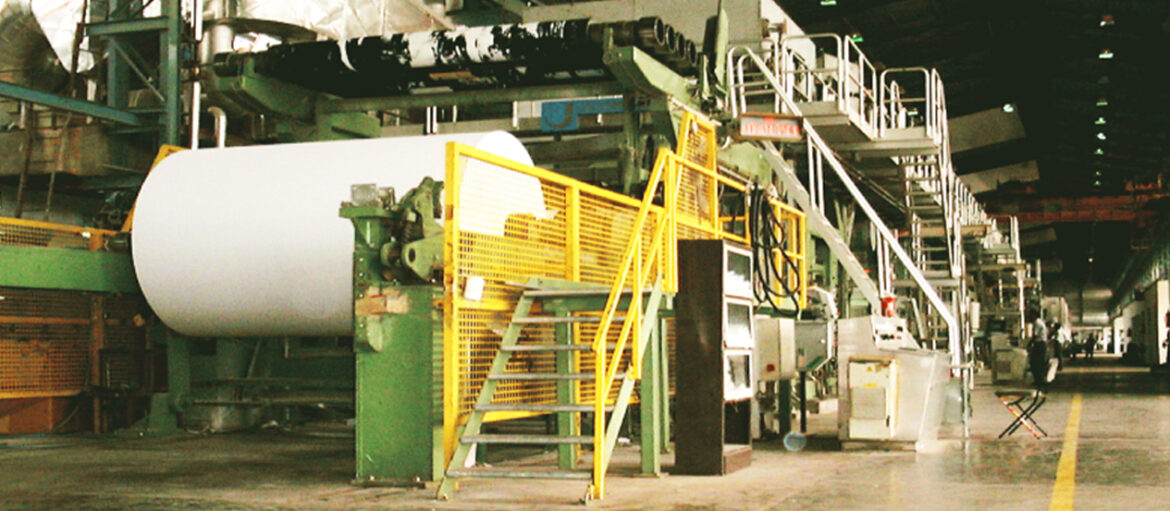
Nothing could be farther from the truth. In fact, few industries in India can match the sustainability that paper offers. It is fully biodegradable and can be recycled up to 6-7 times. Moreover, it is made from resources which are renewable and can be easily regenerated. Paper industry is not only conserving the environment but also regenerating natural resources. Two significant global pollution problems being faced are the disposal of single-use plastic and e-waste. Paper provides an eco-friendly alternate in both areas. Paper industry recycles the post-consumer waste paper that is generated. The industry recycles agricultural waste which otherwise would have been burnt in the fields. Paper industry has therefore struck a fine balance between growth and sustainability, unmatched by many other industries.

Paper manufacturing requires a lot of water. What is the Indian paper industry doing to reduce water usage? Have there been any innovations in methods or techniques to reduce water consumption?

On the waterfront, a few years ago, the paper industry used to consume 200 cubic metres of water to produce a tonne of paper. Now, the integrated mills have reduced that to 50 cubic metres. Efforts are on to bring it further down to 35-40 cubic metres by inducting a whole range of water conservation technologies.

Paper manufacturing process leads to a lot of environmental pollution. What’s your take on it?

Paper manufacturing scenario in India is witnessing a significant shift towards sustainability. In the last few decades, the large paper mills have gone on an overdrive to improve efficiencies, increase productivity and reduce resource intensity. The industry has been working on new practices including research & development towards energy efficiency, environment preservation and better overall process technology, etc. The industry has managed to bring down its specific energy consumption by about 20% in the last five years. Integrated paper mills in India now generate 50-60% of the power they use by utilising the black liquor from the pulping process. In the first two cycles of PAT (Perform Achieve Trade) scheme of the Government, the paper industry significantly over-achieved the mandated stiff targets for energy saving. The environmental standards mandated by the government have become stringent over time and all members of the Indian Paper Manufacturers Association (IPMA) are environment compliant.

How much Paper industry contribute to the National GDP, Export and employment?

The Indian Pulp & Paper Industry provides direct employment to 5 lakh persons, and indirectly to around 15 lakhs, and has an annual turnover of over INR 70,000 crores (domestic market size of INR 80,000 crores). In 2019-20, exports of paper were over INR 6,800 crores.

How has the paper industry evolved over the years? What major changes have come in, which are environment friendly?

As opposed to the common perception, the paper industry in India is not cutting forests. Over the last two decades, the industry has been encouraging the growth of trees by the farmers, like other crops, especially on degraded lands for sourcing wood. In fact, the paper industry grows more trees than it harvests, and is therefore wood-positive. Not only that, growing trees by paper industry is leading to the absorption of carbon dioxide and helping the cause of mitigating climate change. The agroforestry model adopted by the Indian Paper Industry is one-of-its-kind in the world.

Three alternate raw materials are used for manufacturing paper in India. These are wood, agro residue (wheat straw, bagasse) and recycled fibre/wastepaper. Paper manufactured from wood is about 25% of the total paper manufactured. Over 90% of the wood used by the paper industry is procured from agro / farm forestry. This not only helps on the environmental front significantly but also has supplemented the incomes of farmers.

What are the steps required to make the Indian Paper Industry environment friendly? What role IPMA is playing in the same?

IPMA, along with CII, has been engaged in a project titled “Making Indian Paper Industry World Class” which is running for more than 10 years and is playing a key role in upgrading practices and processes at Indian paper mills. The industry is increasingly adopting the circular economy model and focus not only on Reduce, Reuse, Recycle but also on Redesign, Remanufacture and Refurbish.

What are the growth rate of the Paper Industry and the factors contributing to its growth?

According to IPMA estimates, paper consumption in India is growing at 6-7% per annum (pre-COVID). The per capita consumption of paper in India is still very low at 14 kgs per annum, as compared to the global average of 57 kgs (in developed countries, it is +200 kgs). The key drivers for growth include a greater emphasis on education and literacy by the government coupled with growth in organised retail and demand for better quality paper in writing and printing segment. Demand for better quality packaging of FMCG products marketed through organised retail, booming e-commerce, rising healthcare spends, over-the-counter medicines and increasing preference for ready-to-eat foods are the key demand drivers for paperboard/packaging paper.

How does Indian Paper industry compare vis-à-vis Global Paper Industry in terms of environmentally friendly practices?

Indian Paper Industry, especially the integrated paper mills, compare favourably with global peers. Economies of scale play a key role in benchmarking practices to global levels. Over the last few years, certain key players have invested handsomely in capacity creation and technology up-gradation to achieve size and scale. The industry appreciates that it needs to take significant leaps in technological up-gradation, process-optimisation and introduction of better practices to minimise the usage of energy and water.

Rohit Pandit,
Secretary-General,
Indian Paper Manufacturers Association (IPMA)
March 25, 2021 0 comment
0 FacebookTwitterPinterestEmail
Newer Posts
Older Posts

Recent Posts

  • India–UK Free Trade Agreement Opens Global Growth Opportunities for 3R ZeroWaste’s Circular Economy Solutions
  • Plastic Free July: Why True Sustainability Goes Beyond Swapping Plastic
  • From the Editor’s Desk: When Greed Takes Over Conscience
  • Beyond the Pose: Why Your Yoga Mat Needs a Sustainable Upgrade
  • Best Sustainable Father’s Day Gifts: Conscious Carma’s Exclusive Picks

Recent Comments

  • Team Conscious Carma on Label Shivika Agarwal – where craft meets sustainability
  • Cocomeister.jp on Label Shivika Agarwal – where craft meets sustainability
  • Team Conscious Carma on Equitable City Designs To Fight Climate Change
  • UN report calls for repurposing of USD 470 billion of agricultural support that distorts prices and steer us away from environment and social goals | Consciouscarma on UNEP & ICMR collaborate to boost understanding of environmental dimensions of antimicrobial resistance in India
  • Wild Earth : Natural body products | Consciouscarma on Sat.Suma : the true essence of flowers in your everyday skincare needs

Keep in touch

Facebook Twitter Instagram Youtube

Recent Posts

  • India–UK Free Trade Agreement Opens Global Growth Opportunities for 3R ZeroWaste’s Circular Economy Solutions

  • Plastic Free July: Why True Sustainability Goes Beyond Swapping Plastic

  • From the Editor’s Desk: When Greed Takes Over Conscience

  • Beyond the Pose: Why Your Yoga Mat Needs a Sustainable Upgrade

  • Best Sustainable Father’s Day Gifts: Conscious Carma’s Exclusive Picks

  • How Sacred Sound is Reshaping the Future of Holistic Health?

Categories

  • Community (38)
    • Campaigns (3)
  • CSR (4)
  • Economy (82)
    • Global (24)
    • Industry (42)
    • Innovations (4)
    • National (2)
  • Environment (48)
  • Expert Corner (48)
    • Authored Articles (47)
  • Featured (5)
    • Partners (1)
  • Global News (2)
  • Initiatives (31)
    • CSR (3)
    • Events (6)
  • Inspiration (22)
  • Lifestyle (9)
  • Media Coverage (6)
  • Press Releases (4,358)
  • Products (126)
    • Accessories (27)
    • Apparel (32)
    • Beauty (26)
    • Food (4)
    • Gifting (3)
    • Home Décor (15)
    • Skin-Care (14)
  • Reports (3)
  • Spirituality (10)
  • Sustainability (49)
  • Sustainable Startup Stories (28)
  • Travel (19)
  • Uncategorized (2)
  • Wellness (33)
    • Home Cleaners (3)

Archives

  • August 2026 (1)
  • July 2026 (1)
  • June 2026 (6)
  • October 2024 (1)
  • September 2024 (1)
  • July 2024 (2)
  • June 2024 (2)
  • May 2024 (1)
  • November 2023 (330)
  • October 2023 (554)
  • September 2023 (631)
  • August 2023 (718)
  • July 2023 (723)
  • June 2023 (710)
  • May 2023 (608)
  • April 2023 (114)
  • March 2023 (7)
  • February 2023 (3)
  • January 2023 (11)
  • December 2022 (18)
  • November 2022 (1)
  • August 2022 (6)
  • July 2022 (8)
  • June 2022 (24)
  • May 2022 (11)
  • April 2022 (19)
  • March 2022 (11)
  • February 2022 (11)
  • January 2022 (14)
  • December 2021 (10)
  • November 2021 (4)
  • October 2021 (14)
  • September 2021 (22)
  • August 2021 (12)
  • July 2021 (17)
  • June 2021 (17)
  • May 2021 (16)
  • April 2021 (22)
  • March 2021 (33)
  • February 2021 (16)
  • January 2021 (22)
  • December 2020 (10)
  • Facebook
  • Twitter
  • Instagram
  • Pinterest
  • Linkedin
  • Youtube

@2020 - All Right Reserved. Designed and Developed by Bizopser Technologies

Consciouscarma
  • Home
  • About Us
  • Products
  • Community
    • Campaigns
    • Inspiration
    • Initiatives
    • CSR
  • Features
    • Sustainable Startup Stories
    • Travel
    • Lifestyle
    • Partners
  • Economy
    • Industry
    • Innovations
    • National
    • Global
  • Environment
  • Expert Corner
    • Authored Articles
    • Reports
  • Magazine
  • Contact