Consciouscarma
  • Home
  • About Us
  • Products
  • Community
    • Campaigns
    • Inspiration
    • Initiatives
    • CSR
  • Features
    • Sustainable Startup Stories
    • Travel
    • Lifestyle
    • Partners
  • Economy
    • Industry
    • Innovations
    • National
    • Global
  • Environment
  • Expert Corner
    • Authored Articles
    • Reports
  • Magazine
  • Contact
Category:

Economy

The countries, the governments, the non-profit organisations are all working towards changing the world for better, protecting the environment, shifting to renewable resources, inventing new technologies, innovating new ways of manufacturing, producing, distributing, packaging and living etc to reduce the carbon footprint

fashion brands
EconomyIndustry

Progress on transparency still too slow among the world’s largest fashion brands, according to the latest Fashion Transparency Index

by Team Conscious Carma July 7, 2021
written by Team Conscious Carma
  • Call for major fashion brands to disclose living wage roadmap and results
  • Secrecy surrounds the impact of COVID-19 on fashion supply chain workers
  • Italian fashion brand OVS tops global benchmark on transparency

Progress on transparency in the fashion supply chain is still too slow among 250 of the world’s largest fashion brands, according to the latest Fashion Transparency Index released today in London.

The Index from Fashion Revolution, a global fashion activism movement, campaigning for greater transparency in fashion industry supply chains, is now in its sixth year. The Fashion Transparency Index analyses and ranks 250 of the world’s largest fashion brands and retailers based on their public disclosure of human rights and environmental policies, practices, and impacts, in their operations and supply chains.

This year’s Index reveals slow progress in crucial areas:

  • The majority of major fashion brands (99%) do not disclose the number of workers in their supply chain that are being paid a living wage.
  • 96% do not publish a roadmap on how they plan to achieve a living wage for all workers in their supply chain.
  • Most carbon emissions occur at processing and raw material levels and while 62% of big brands publish their carbon footprint in their own facilities, only 26% disclose this information at the processing and manufacturing level and only 17% do so at raw material level.
  • Over a quarter (27%) of major brands now disclose some of their processing facilities (e.g., spinning mills, dye-houses and laundries) – up from 24% last year.

Fashion Revolution’s co-founder and Global Operations Director Carry Somers is clear

about the purpose of the Index: “The Fashion Transparency Index is not designed to give

consumers the low-down on where to shop. We launched the index in 2016 to help the public hold brands and retailers to account for their actions within their supply chain.”

“We want the public to use this information to charge their activism and not their credit card,” she concludes.

Other key findings from Fashion Revolution’s Index 2021:

Major fashion brands’ COVID-19 order cancellations leave millions of garment workers jobless without recourse while the fashion industry continues to profit

The Fashion Transparency Index findings reveal that very few big brands, just 3%, are publicly disclosing the number of workers in their supply chains laid-off due to COVID-19, which leaves Fashion Revolution with an ‘incomplete picture’ of the negative socio- economic impact workers have faced throughout the pandemic. Additionally, less than a fifth (18%) of major brands disclose the percentage of their complete or partial order cancellations, making it difficult to assess the full impact of the pandemic across fashion supply chains.

Major brands also delayed payments to their suppliers, and our research finds that fewer than 10% of brands publish a policy to pay suppliers within 60 days, meaning that clothes are often worn by consumers before brands have paid the factories that made them.

Fashion Revolution’s Global Policy Director and report author, Sarah Ditty commenting on the Index findings said: “The findings of this year’s Index serve to remind us that the majority of big brands still do not disclose information on what they are doing to pay living wages to workers across their supply chains. Brands have continued to profit throughout the pandemic whilst garment workers have endured the devastating impacts of their cancelled orders including unpaid wages, food insecurity, employment instability and poverty.”

Major fashion brands benefit from positive PR supporting social justice but fall short when disclosing racial and ethnic data

Whilst many brands are vocal in their support for racial justice movements in the digital space, particularly on social media, this years’ Index included new indicators which questioned major brands on whether they publish their actions on the ‘promotion of racial equality’ within their business. The findings show only 12% of brands publish relevant information.

The findings indicate that these brands are not being transparent, by withholding information on the racial and ethnic data of employment and pay differences in their own operations and supply chains, many of which are in the Global South and Far East and employ predominantly women of colour, brands can continue to benefit from the public portrayal of solidarity for social causes, including gender, racial and ethnic equality, whilst not actually providing evidence on how they are addressing inequalities in their own operations and supply chains.

Major fashion brands disclose very little information about their efforts to address overproduction, plastic use, and waste despite the urgency of the climate crisis

The Index highlights that major brands are not disclosing enough environmental data, despite the urgency of the climate crisis. Just 14% disclose the overall quantity of products made annually, making it difficult to understand the scale of overproduction globally.

Almost one third of major brands (32%) describe having permanent clothing take-back schemes in place, yet only 22% disclose what happens to the clothes received through these schemes, which typically involves unwanted clothing being resold overseas rather than recycled into new textiles and clothing. More than one third of big brands (36%) have published their progress towards reducing the use of virgin plastics for packaging, but only 18% do so for textiles deriving from virgin fossil fuels, which consumers are less likely to recognise as plastic.

Despite progress made on transparency, better legislation is required to hold major fashion brands to account for their impacts on people and the planet

Transparency is vital for holding brands accountable for their human rights and environmental impacts across their supply chains. However, being transparent and ranking highly in the Fashion Transparency Index does not necessarily mean that a brand is ethical and or sustainable. “The Fashion Transparency Index has driven change by helping normalise supply chain transparency and through working with other platforms and partners enabling the research to be used to hold brands to account and to call for better laws.” explains Fashion Revolution’s Global Policy Director and report author, Sarah Ditty.

In order to hold brands to account, the Index highlights the need for legislation that requires transparency from brands on human rights and environmental issues. While legislation has improved major brands’ level of transparency, better enforcement is needed to ensure truly impactful change. The research makes the case for stronger and better enforced legislation to prevent human rights and environmental abuses, for fashion industry workers as well as requiring companies to monitor and report the outcomes of their efforts. When brands fail, the legislation should ensure meaningful sanctions and reparations for harms done.

Highest scoring brands in 2021

Italian brand OVS scored highest this year with 78% (an increase of 44% from 2020), followed by H&M at 68%, Timberland and The North Face at 66%, C&A and Vans at 65%, Gildan at 63%, Esprit and United Colors of Benetton at 60%, Tommy Hilfiger, Calvin Klein and Van Heusen at 59% and Gucci, Target Australia and Kmart Australia at 56%. Fashion Revolution is encouraged by increasing transparency among the leading brands but believes progress is too slow on key issues such as purchasing practices, living wages, overproduction, water use, and carbon emissions in the supply chain. No brand scored above 80% of the 250 possible points.

Lowest scoring brands in 2021

20 major brands score a 0% rating including, Belle, Big Bazaar, Billabong, celio, Elie Tahari, Fashion Nova, Heilan Home, Jessica Simpson, KOOVS, Max Mara, Metersbonwe, Mexx, New Yorker, Quiksilver, Pepe Jeans, Roxy, Semir, Tom Ford, Tory Burch and Youngor. A

number of big brands fell in the rankings with Wrangler declining by 24 percentage points from 2020 to 2021.

Fashion Transparency Index continues to encourage major brands to disclose vital data, pushing for greater transparency across supply chains

Overall, Fashion Revolution is encouraged that the Index is making an impact in the fashion industry – this year’s report did find that more big brands than ever before, almost half (47%), are disclosing their first-tier manufacturers, up from 13% since the first edition of the Fashion Transparency Index in 2016. Furthermore, the most major brands since the Index began, 11%, are disclosing information about some of their raw material suppliers, up from 7% in 2020 and 0% in 2016.

Global Policy Director and report author Sarah Ditty believes that that the global fashion industry has been turned upside down since the outbreak of COVID-19, and since then the industry has backslid on many human rights and environmental issues.

“This year’s Fashion Transparency Index shows encouraging signs that some progress is being made on transparency, but there is a lot more that big brands need to be doing in this area. The world’s largest brands and retailers disclose very little about their efforts to address important topics such as poor purchasing practices, living wages, racial and gender equality, overproduction and waste, water use and carbon emissions in the supply chain.”

“Big brands can and should do more to publicly address their social and environmental

impacts.”

For more information, visit www.fashionrevolution.org/transparency

About Fashion Revolution

Non-profit organisation Fashion Revolution is the world’s largest fashion activism movement, with teams in over 90 countries around the world. Founded in 2013 in the wake of the Rana Plaza factory collapse in Bangladesh, which killed over 1100 people, Fashion Revolution is working towards a global fashion industry that conserves and restores the environment and values people overgrowth and profit. In order to achieve this goal, the organisation conducts research that shines a light on the fashion industry’s practices and impacts, highlights where brands and retailers are moving too slowly and incentivises and promotes transparency and accountability across the supply chain. Fashion Revolution strives to be action-oriented, and solution focused, helping everyone recognise that they have the power to make positive change.

How brands were selected

The Fashion Transparency Index reviews and ranks 250 of the biggest global fashion brands and retailers. Brands have been purposefully chosen on the basis of their annual turnover, over USD $400 million, and represent a spread of market segments including high street,

luxury, sportswear, accessories, footwear and denim from across Europe, North America, South America, Asia and Africa. Brands are invited to participate in the research by filling out a questionnaire, but we review brands regardless of whether they participate based on their publicly available information.

The Fashion Transparency Index focuses on the biggest and most profitable brands and retailers because they have the most significant negative impacts on workers and the environment and therefore have the greatest responsibility to change.

Fashion Revolution believes that transparency is foundational to achieving systemic change in the global fashion industry, which is why we have been campaigning for it since 2014, and why we created this tool. Transparency underpins transformative change but unfortunately much of the fashion value chain remains opaque, while human and environmental exploitation thrives with impunity. Transparency is a first step; it is not radical, but it is necessary. Transparency is not to be confused with sustainability. However, without transparency, achieving a sustainable, accountable, and fair fashion industry will be impossible.

About the methodology

The Fashion Transparency Index is not a shopping guide and should not be used to discern what brands are ethical or sustainable. The Fashion Transparency Index has been created to understand how transparent the world’s largest brands and retailers are when it comes to disclosing information on social and environmental issues. The Fashion Transparency Index therefore is a tool that citizens, NGOs, civil society and those who wish to lobby for change within the fashion industry can use to hold brands to account and push for faster change.

The Fashion Transparency Index reviews brands’ public disclosure on human rights and environmental issues across 239 indicators in 5 key areas:

  • Policies & Commitments
  • Governance
  • Supply Chain Traceability
  • Know, Show & Fix
  • Spotlight Issues, which this year are:
    • Decent work, covering COVID-19 response, living wages, purchasing practices, unionisation and collective bargaining
    • Gender and racial equality
    • Sustainable sourcing and materials
    • Overconsumption and business models
    • Waste and circularity
    • Water and chemicals
    • Climate change and biodiversity

This year’s methodology reduced the weighting of points given to major brands on their policies and commitments and instead puts greater focus on how brands implement these policies and the outcomes of their efforts. This methodology was created in consultation with a wide range of industry stakeholders, including trade unions, labour advocates, environmental groups, supply chain experts and investors.
July 7, 2021 0 comment
0 FacebookTwitterPinterestEmail
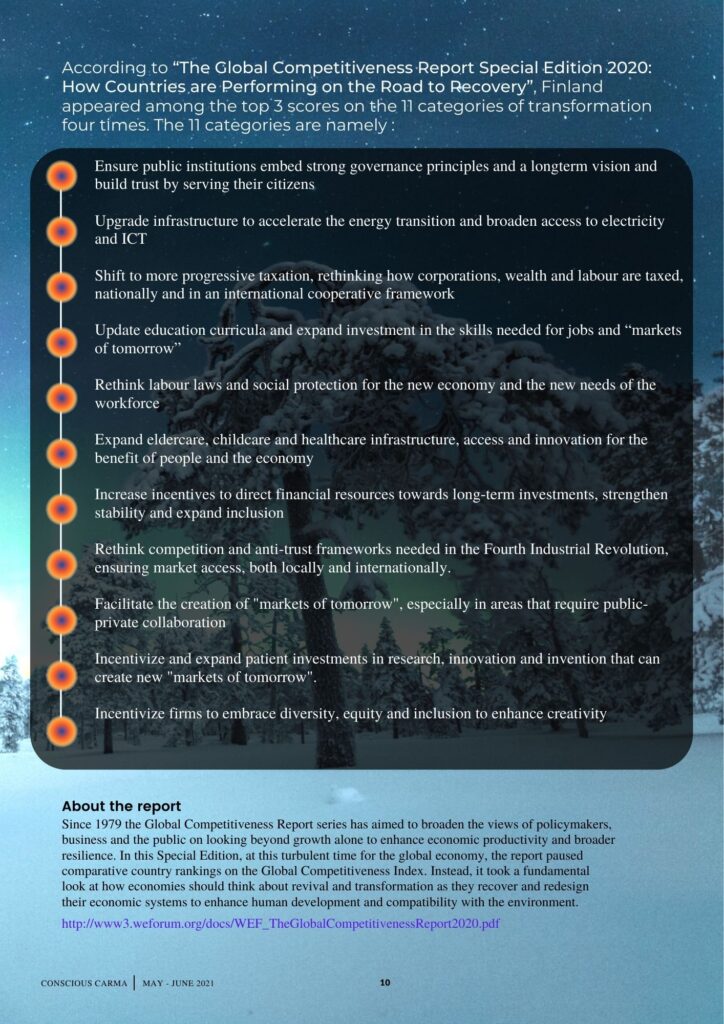
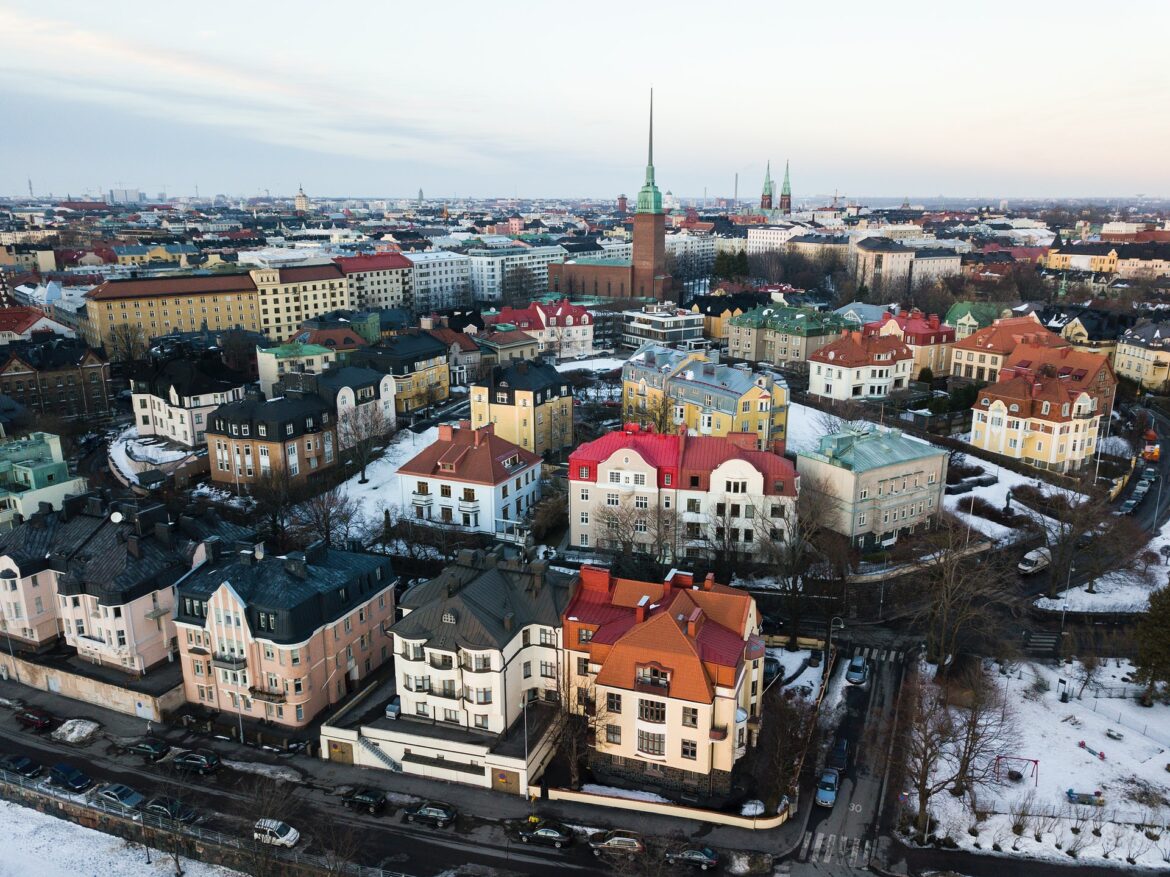
finland city top
EconomyGlobal

Finland: The happiest country in the world

by Team Conscious Carma July 1, 2021
written by Team Conscious Carma

In the World stricken with a global pandemic and economic slump, everyone’s praying for the return of normalcy and happiness. At this moment, we all just want to be happy, healthy and being surrounded by loved ones more than anything else.

At the same time, being cut off from the crazy competitive world, we are finding happiness in the most mundane deeds and leading a life of gratitude and contentment. Though we all want normalcy to return, I am sure, the meaning of happiness has changed for all of us.

Talking about happiness, do you know, Finland has been ranked as the happiest country for the fourth year in a row, according to the 2021 World Happiness Report. Iceland, Denmark, Switzerland, and the Netherlands following in second, third, fourth and fifth positions respectively. Launched in 2012, the World Happiness Report is an annual survey conducted by the U.N.’s Sustainable Development Solutions Network. The survey ranks global happiness in 149 countries worldwide based on six key variables (income, life expectancy,
social support, freedom, trust, and generosity).

FINLAND – an Introduction

Finland, officially the Republic of Finland, is a Nordic country in Northern Europe, covering an area of 338,455 square kilometres with more than 1,80,000 lakes in it. Its population of 5.5 million. Except for a small highland region in the extreme northwest, the country is a lowland with less than 600 ft (180 m) above sea level. Helsinki is the country’s capital and largest city. It is a bilingual country – Finnish and Swedish are
both official languages.

Finland was under Swedish rule from the 13th century till the 17th century. It later came under Russia during the Great Northern War, (1700–21). In 1917, after Russia was taken over by the Bolsheviks, Finland was finally declared independent. Finland joined the European Union in 1995 and adopted the euro in 1999. Finland’s Prime Minister, Sanna Marin of the Social Democratic Party of Finland is the World’s youngest prime minister.

What makes Finns the happiest of all?

Let’s understand how a country with a history of invasions, slavery and struggle has turned out to be the happiest country in the World.

“Sisu” Philosophy

The Finnish have struggled hard to get their freedom, fought many battles bravely in the coldest and darkest of winters. Unity, integrity, perseverance and grit are the values ingrained in their psyche, popularly called the “sisu” philosophy. This philosophy makes Finnish people optimistic, always looking at the brighter side and living a life of gratitude and contentment.

Best Governance in the World

Finland has extensive welfare benefits, free education, free healthcare, low levels of corruption, low crime rates, extended parental and annual leave compared to the rest of the world and a well-functioning democracy. it ranks high for its performances in civil rights, press freedom and quality of life.

According to the Legatum Prosperity Index 2020, Finland has the best governance in the World. The corruption levels are one of the lowest in the world. Finland was ranked 3rd out of 180 countries surveyed in Transparency International’s 2020 Corruption Perceptions Index.

Gender Equality

While Gender equality remains a crucial issue all over the world, Finland has been quick in mending this gap, years ago. In 1906, Finland became the first country in the world to grant full political rights to women – both the right to vote (a first in Europe) and the right to run for office. Also, it became the first European country with women as both president and prime minister in the year 2003.

A warm and welcoming Culture

The Finnish culture is a mix of indigenous heritage, Nordic and European influences. It’s a warm culture where different customs and traditions are being followed in the same spirit. There are Sami, Romani, Swedish-speaking Finns, Tartar, and the Jews, all of them have maintained their unique cultural identities and live in complete harmony. This melting pot can be observed in festivals, literature, visual arts, music, cinema, and even cuisine.

Finns are simple and honest and live to their fullest

Finns appreciate simplicity and honesty in all things and are not materialistic. Life’s simple pleasures make them happy like They love walking in the forests picking blueberries, swimming in icy water.  They believe in living at their own pace, unlike most of the fast-paced and competitive western world.

Finns love outdoor activities, the extremely cold climate is not a hindrance to their venturing out.  In Northern Finland, the sun doesn’t rise above the horizon for weeks. While in summers they have nightless nights when the sun doesn’t set at all from mid-May until late July. They enjoy life even in the coldest and darkest of days like enjoying the glowing white snow and blazing northern lights in dark wintery days and the midnight sun in summers.

One thing the Finnish love most is their sauna. Almost every house has a sauna and it is their daily ritual.  Can you imagine,  there are 3.3 million of them in Finland, which has a population of 5.5 million. “Sauna culture in Finland” is now on the Unesco list of Intangible Cultural Heritage. 

You can witness all sorts of saunas in Finland, tent saunas, car saunas, popup saunas, boat saunas, ice saunas, portable saunas, backyard and rooftop saunas.

A recently published 15-year research project on the health effects of a sauna, led by professor Jari Laukkanen, a cardiologist, showed that frequent visits to the sauna (four to seven times a week) cut the risk of having a stroke by more than 50 per cent compared to one weekly visit. Habitual sauna use also significantly reduces the risk of cardiovascular disease. For the heart, taking a sauna is the equivalent of going out for a brisk walk. You could attribute this as one of the reasons for their long and healthy life.

Finns have Nature’s love in bounty

Finland is a beautiful country,  with thousands of lakes, lush green forests and pristine air and water. The purity in the heart and the purity in the environment makes Finns happy and healthy.

It is Europe’s most forested country, with more than 70% of the land covered with forests. About 17,000 square kilometres of the forest is strictly protected. The Finnish concept of ‘Everyman’s Right’ means that one can walk freely in the forest, enjoy the fresh air and gather the gifts of the forest, mushrooms and blueberries. Of course, this also implies that it’s everyone’s responsibility to keep them clean. 

Being surrounded by nature and getting out into it has long been known to help us feel happier. As there is so much to see and do outdoors in Finland, it is no wonder people here are so positive.

Finland has World’s Best Education System

Finland is an international leader in providing education. It is one of the cornerstones of the Finnish welfare society, where Finnish educators focus on making education an instrument to balance out social inequality. Their educational system offers equal opportunities for education for all. Education from pre-primary to higher is free of charge in Finland, including transportation, meals and study material. Students in Finland often have the same teacher for up to six years of their education, which helps in developing mutual trust and bonding between the teacher and students.

Also, the system gives local schools the autonomy to address local needs by decentralizing administration. Students start school when they are 7 years old and there are only 9 years of compulsory school that Finnish children are required to attend. Everything past the ninth grade or at the age of 16 is optional. The schools starts anywhere from 9:00 – 9:45 AM.

Research has shown that early start times are detrimental to students’ well-being, health, and maturation.

Less stress, less regimentation and more caring, creates a strong happy and positive foundation from the early years. And as a result, Finnish students score higher than most of their peers on international assessment tests, despite peculiarities like having minimal homework and tests, and also a curriculum that puts a big emphasis on music, the arts, and outdoor activities.

July 1, 2021 0 comment
0 FacebookTwitterPinterestEmail
EconomyIndustry

Blue Dart ’s Digital Initiatives Go Green this World Environment Day!

by Team Conscious Carma June 4, 2021
written by Team Conscious Carma

Introduces paperless transactions in line with the Group’s New Sustainability Roadmap

Blue Dart, South Asia’s premier express air and integrated transportation & distribution company, part of the Deutsche Post DHL Group (DPDHL), announces paperless transactions on their new Digital Portal for all its Vendor Partners this World Environment Day on 5th June 2021. The online launch event of this paperless technology is a registered event with UNEP for the celebrations of World Environment Day. Under the Group’s New Sustainability Roadmap, Blue Dart has made significant investments in developing future-ready technology that can protect the environment and at the same time deliver excellence in a sustainable way.

The United Nations has proclaimed 2021- 2030 as the UN Decade on Ecosystem Restoration. With collaborative efforts, efficient risk mitigation strategies and sustainable use of resources; ecosystem restoration is expected to create tremendous business opportunities in line with the environmental, social and governance (ESG) parameters. Blue Dart has committed this decade to its efforts towards ecosystem restoration.

Blue Dart recognises the importance to fight climate change and is integrating robust ESG mechanisms into this decade of ecosystem restoration. Blue Dart has executed over 50% of its customer invoices online and is working towards achieving a 100% transition. Manufacturing paper is energy-intensive; one A4 sheet requires approximately 50 watt-hours. Going paperless will help conserve energy, reduce CO2 emissions, avoid deforestation, protect the natural habitat and strengthen forest-based livelihood opportunities for the surrounding communities. Through this initiative, Blue Dart will not only protect the environment but also commits to planting a significant number of trees every year. Currently, Blue Dart plants 111,000 trees every year, in order to offset 22,20,000 kg carbon per year on maturity.

Balfour Manuel, Managing Director, Blue Dart said, “We are a purpose-driven organisation and have always kept sustainability and living responsibility at the centre of all our operations. This initiative is our endeavour to inculcate sustainable business practices and at the same time raise the bar on innovation. Blue Dart is a market leader and we believe that if we navigate through our sustainability roadmap, we will be able to contribute to reducing India’s and in the larger scheme of things, the World’s climate change issue – one step at a time. It is up to the world’s large organizations and the conglomerates to change the future landscape of Global Warming and Blue Dart is proud to be taking several steps forward to aid this cause.”

Aneel Gambhir, CFO, Blue Dart said, “In the journey of being an ESG compliant organisation, we have identified sustainable ways to carry out business operations. We are committed to giving back to the community in which we operate and at the same time, we are doing all that it takes to restore and protect our environment. The pandemic era combined with climate change emphasises the urgent need for organisations to invest in the ecosystem before it’s too late.”

The company aims to make all their owned or leased facilities operate at Net Zero Carbon by 2025, drive increased efficiency and use cleaner fuels within their fleet of 6 Boeing 757 freighters, support customers with sustainable and optimized packaging solutions and design greener products and services through their comprehensive solutions.Blue Dart aims to achieve Zero Carbon Emissions by 2050 under the DPDHL Goal ‘Mission 2050’, wherein, the brand’s goal is to limit global warming to less than 2 degrees Celsius. The brand aims to drive its business towards zero-emission logistics as well as set the standard for the future of the express logistics sector and do its part to help the world. Under the Mission 2050 initiative, over four years, Blue Dart has contributed to over 10% of the DPDHL Group’s global target of planting 1 million trees each year. In addition to this, in December 2011, Blue Dart announced India’s first end-to-end GoGreen Carbon Neutral Service across international and domestic markets. This service has been subscribed by over 2,871 environmentally responsible customers till 2020.

June 4, 2021 0 comment
0 FacebookTwitterPinterestEmail
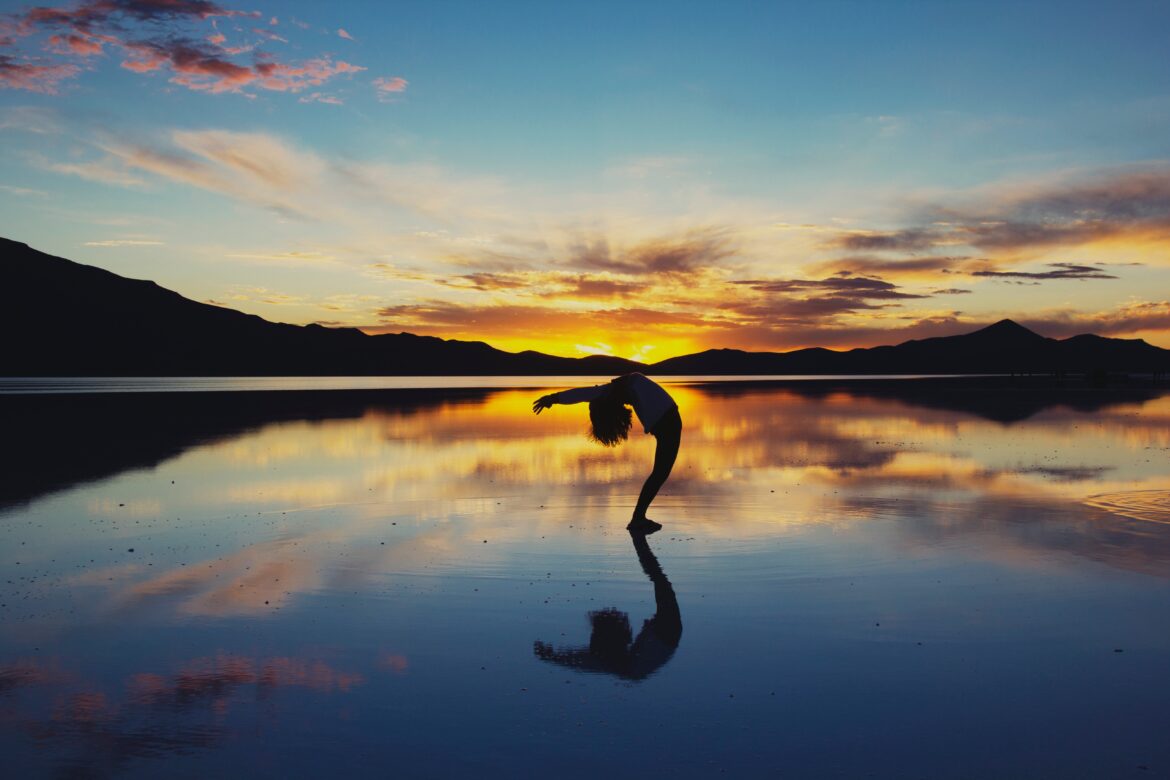
lady doing yoga
EconomyIndustry

The changing face of Wellness Tourism in India

by Team Conscious Carma May 24, 2021
written by Team Conscious Carma

Wellness is the quality or state of being healthy in body and mind so that instead of just surviving, you are thriving.

Since ancient times in India, Ayurveda, Yoga and Meditation have been proven effective ways of healing the mind, body, and soul. Travellers from around the world come here for wellness and spiritual awakening. India is always a preferred place to attain the holistic healing of mind, body, and soul.

India’s Wellness Tourism is much more than Ayurveda and Yoga retreats

The growing interest among the masses towards prevention over cure, natural over artificial, contentment over the competition is leading to a change in their lifestyle choices. Wellness is the latest fad and has rewritten the rules in almost all the industries globally, be it food, fashion, beauty, real estate, etc and travel is no exception. Today, more than ever, people are looking forward to a break from their mundane and stressful lifestyle and head to a place which could rejuvenate them inside out. The ongoing pandemic has also played a considerable role in giving a further fillip to it.

Wellness Tourism in India has also added newer dimensions to it, apart from the most popular Ayurveda and Yoga retreats. The new buzzwords in Wellness Tourism are responsible tourism, rural tourism, eco-friendly tourism, remote working and wellness staycations, etc. Experiencing a balanced life, in sync with nature, is in itself therapeutic and people are opting for it more than ever. Health, immunity and safety are major concerns shifting people towards wellness tourism.

Ayurveda is the traditional Hindu system of medicine (incorporated in Atharva Veda, the last of the four Vedas), which is based on the idea of balance in bodily systems and uses diet, herbal treatment, and yogic breathing.
Yoga, simply put, is union in, and union with, all spheres of life. It is the science of Creation, often called the final frontier, for it opens doorways not just to this world, but also that which lies beyond and controls and directs what happens in the physical dimension. Yoga helps unlock the phenomenal potential that lies hidden in a being. Manifestation of thought, health, beauty, glow, attraction is among the basic siddhis of Yoga under the guidance of a Guru.

India’s ranking in Global Wellness Tourism Market

Globally, wellness tourism is growing with 6.5 per cent annually, more than twice as fast as tourism overall (3.2 per cent), and it was worth US$639 billion market in 2017. This segment is forecasted to grow even faster through 2022 (7.5 per cent yearly), to reach US$919 billion, according to Global Wellness Tourism Economy report by Global Wellness Institute.

In 2017, India ranked 7th in the top 20 wellness tourism markets, and 10th among the top 20 spa markets in the world, while ranking 3rd in both the top 10 wellness tourism markets and top 10 spa markets in Asia Pacific. While the country itself is an attractive wellness travel destination globally, Indians are equally wellness travel freaks. According to reports, Indians made 56 million wellness-related trips, both domestic and international, in 2017 (a growth of 45 per cent over 2015), which included expenditures worth $16.3 billion. Also, India ranked 2nd in terms of leading growth markets for wellness tourism, depicting an average annual growth rate of 20.3 per cent from 2015 to 2017, adding a little over 17 million wellness trips in the same period.

“Wellness is definitely more than a signature massage, a spa, a showcase gym, or a sunset yoga session. Its effects reach beyond the physical realm of the hotel’s facilities and offerings and are felt more deeply. When wellness works for a hotel it forms an integral part of the guest experience, touches all aspects of the business, forms significant moments which are meaningful and thought through, from the quality of sleep, food, surroundings. A large role is played by the staff who engages with them before they arrive and continues long after they have left”

Urvashi Mehta, Founder, Ndorse’, a wellness and luxury travel consultancy.

If there’s one thing that this pandemic has taught us, it is the importance of “taking a break”. Knowingly, unknowingly we all at some point become a part of the rat race that leaves us drained out mentally, physically and spiritually. And even though no one’s advocating this forced pause, the silver lining just can’t be ignored. The Maldives has always been a paradise for lovers, adventure seekers, and even families, but now there’s a rise in the travellers seeking holistic experiences. This is not only limited to organic diets (vegetarian/vegan), earthy menus, detoxing concoctions, yoga in the lap of nature, meditation under the stars, but also ayurvedic massages and underwater experiences that have a healing effect. From resorts with Asian-inspired healing therapies to programmes that are fitness-focused, the best of luxury wellness experiences makes it the ultimate wellness getaway. With the bohemian elegance and luxury design, these wellness programmes are carefully crafted for the modern escapist to heal the mind, body and soul while you re-claim your connection with nature.

Monika Adlakha, Communications and Marketing Specialist in the Maldives

There has been a recent splurge in destinations that are in complete harmony with nature, its surroundings, flora and fauna, relatively unexplored, secluded and offer wholesome organic food, for a peaceful mind and a balanced body.

Let’s look at some of India’s nature-inspired, rustic and eco-friendly destinations focussing on rejuvenation

Terra Conscious, Goa
Responsible Tourism

Goa is much more than a party place. Terra Conscious, a marine & coastal conservation-based social enterprise is working towards empowering the local community through responsible nature-based experiences and conservation travel itineraries. One can explore the biodiversity and diverse wildlife of Goa with Terra Conscious’s backwater Kayaking Trail. It is considered to be one of the best ways to unwind and explore Goa’s beautiful and biodiverse mangrove forests. Paddle through these intricate ecosystems a completely zero waste, low carbon footprint experience. Other experiences include Ocean biodiversity, Mangrove & Estuary, forest walks and cycling trails.

Wayanad, Kerala
Rural & Wildlife Tourism

Wayanad In Kerala is an all year round tourism place as it has a very soothing temperature. The place is famous for its spice plantations, popularly known as the spice garden of India. One could experience nature’s bounty with lush green orchards and long spread plantations of spices, coffee and organic fruits and vegetables.

It also has numerous wildlife sanctuaries, reserves and national parks. Its dense woods, mighty mountains and gushing rivers make it an ideal spot for many adventurous activities like trekking, camping and mountaineering, etc.

Mawlynnong Village, Meghalaya
Eco-friendly Tourism

Awarded as the “cleanest village in Asia” by Discover India, plastic bags and smoking are banned in Mawlynnong in Meghalaya. Bamboo is used extensively for construction and composting and nurturing trees are a common practice. The place is pleasant throughout the year while best during monsoon. The village offers an insight into Khasi tribal life, their festivals, local food and the way of living. With a hundred percent literacy rate, the khasi tribe is famous for children inheriting their mother’s surnames and property is also passed through the matrilineal lines.

Other major attractions are The Living Roots Bridge, a UNESCO World Heritage Site at the neighbouring Riwai Village, which is a short hike from Mawlynnong. The Khasi tribes of Meghalaya created these natural bridges by weaving together the roots of ficus trees. Another is The Sky View which is the vantage point having a viewing tower that is eighty-five feet high and completely made of bamboo.

Pragpur, Himachal Pradesh
Heritage tourism

Pragpur, India’s first heritage village, is situated in kangra valley in Himachal Pradesh. The village is named in honor of Princess Prag Dei of the Jaswan royal family. The prosperous merchants of Kuthiala Sood community travelled abroad and returned home to build mansions, schools and hospitals in architectural styles they observed there. The 300-year-old exquisite Havelis and heritage buildings take you to the bygone era.

Another attraction is the ancient water system, a large ornamental water tank called Taal. Built before 1868, the Taal is said to form the core of the village and is surrounded by several old community structures like the Nehar Bhawan, Naun, and Dhunichand Bhardial Serai.

Raja Ram Singh, who ruled over the state about two hundred years ago, was a man of artistic tastes. An ardent devotee of Krishna, he built a beautiful shrine dedicated to his favourite deity. The walls of the shrine are covered with breathtakingly elaborate and richly coloured Kangra-style miniature paintings.

May 24, 2021 0 comment
0 FacebookTwitterPinterestEmail
Economy

India ranks 3rd in “Renewable Energy Country Attractiveness Index”

by Team Conscious Carma May 20, 2021
written by Team Conscious Carma

India has moved up a spot to the third position on EY’s Renewable Energy Country Attractiveness Index owing to exceptional performance on the solar photovoltaic (PV) front. The US retains the top position on the Index and is expected to hold its position under President Biden. China has remained a buoyant market and maintains the second position, adding 72.4 GW of new wind power in 2020, the report added.

According to the report released on Wednesday, India’s solar sector is likely to grow substantially post the COVID-19 pandemic, with generation from solar PV forecast to outdo coal before 2040, EY said in a statement. The drastic change has been led by the government’s policy ambitions, which have led solar PV to be the most cost-competitive source of power in the region and improve further with the passage of time, it added. The observations are as per the 57th EY Renewable Energy Country Attractiveness Index (RECAI) released by EY globally.

In 2020, global renewable energy capacity investments grew 2 per cent to $303.5 billion, the second-highest annual figure recorded to date despite the impact of the pandemic, EY said. However, the report estimated that future development to achieve net-zero will require a further investment of $5.2 trillion and highlighted the role of institutional investors in financing the energy transition.

“India has moved one position above (3rd) from the previous index (4th), this is primarily due to the exceptional performance on the solar PV front. Installed solar PV capacity in India has skyrocketed to 39 GW marginally overtaking the wind capacity for the first time,” Somesh Kumar, Partner and National Leader, Power & Utilities, EY India, said. 

The economic attractiveness of solar PV and intense competition from the private sector has led to record low tariff bids, Kumar added. India also committed to setting up 450 GW of renewable energy power capacity (installed) by 2030 at a recent climate summit hosted by the US.

This will likely increase the share of renewable energy in overall power generation installed capacity to 54 per cent, vis-a-vis share in overall gross generation to 36 per cent, he said.

Ben Warren, EY Global Power & Utilities Corporate Finance Leader and RECAI Chief Editor, said the impact of the pandemic on economies worldwide seems to have refocused investors’ minds on the environmental, social and corporate governance agenda and there is a growing trend towards considering the climate crisis and the energy transition when deploying capital.

“As a result, interest in renewable energy development has risen among institutional investors who have pledged to incorporate climate-risk concerns into their decision-making processes, resulting in new models of investment to locate opportunities that satisfy their risk and return expectations,” Warren added.

The reacceptance of the Paris Accord, coupled with the recent announcement to cut greenhouse gas (GHG) levels by 50-52 per cent as early as 2030 and achieve 100 per cent carbon free power by 2035, will likely see increased investment interest in the US, it added.

The so-called emerging markets now represent half the countries in the 40-strong index, including four African markets featuring in the top 30. Just a decade ago, only China and India were attractive enough to compete with more developed markets for investment, EY said in the report. While the top three countries maintained their ranking, Chile, Brazil and Mexico climbed higher in the index to be ranked in the top 10 at the fourth, sixth and seventh, respectively. Germany at fifth and France at eighth fell in the latest rankingIndia ranks 3rd in 'Renewable Energy Country Attractiveness Index'

East Asian markets such as Japan and South Korea ranked in eighth and 17th positions, respectively. The report highlighted that East Asia has a robust pipeline of clean-energy projects, with more than 800 shovel-ready schemes and with a total investment potential of $316 billion.

Source: PTI

Note: The content has been edited for style and length

May 20, 2021 0 comment
0 FacebookTwitterPinterestEmail
EconomyGlobal

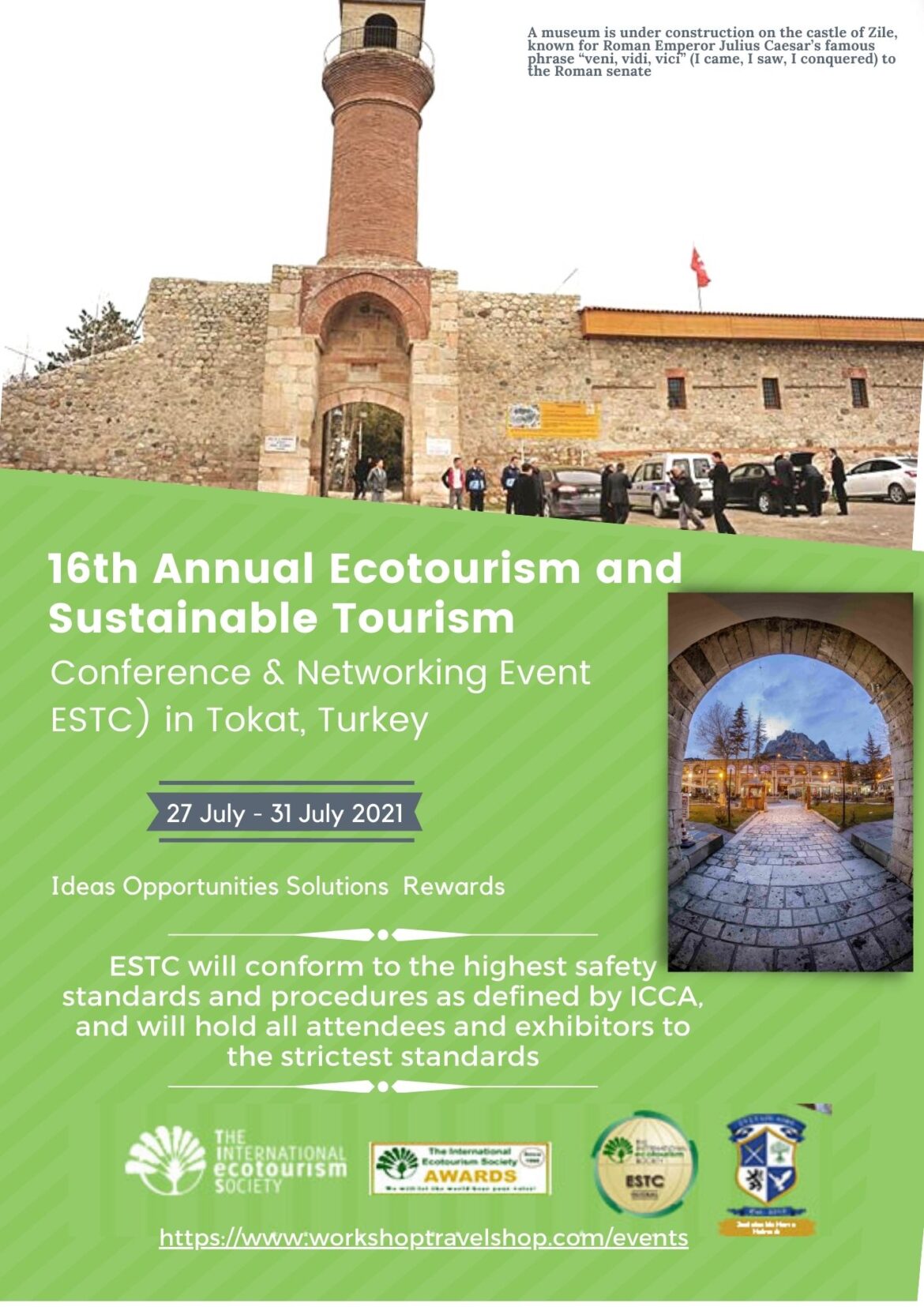
Turkey to host 16th Annual Ecotourism and Sustainable Tourism Conference

by Team Conscious Carma May 12, 2021
written by Team Conscious Carma

July 27th-31st 2021, Tokat, Turkey

The International Ecotourism Society (TIES) Eurasia Chapter, is hosting the 16th Annual Ecotourism and Sustainable Tourism Conference (ESTC) in Tokat, Turkey from July 27th – 31st 2021.

TIES is dedicated to promoting ecotourism and has been at the forefront of the development of ecotourism, providing guidelines and standards, training, technical assistance and educational resources. TIES’ global network of ecotourism professionals and travellers is leading the efforts to make tourism a viable tool for conservation, protection of bio-cultural diversity and sustainable community development.

ESTC, organized by TIES, is a unique annual conference focused on the advancement of sustainability goals for the tourism industry. Offering invaluable learning and networking opportunities, the ESTC is a leading international meeting place where innovative minds gather to discuss ideas and solutions that inspire change. Promoting policies and practices benefiting businesses and communities, the ESTC helps to reinforce the role of tourism in building a more sustainable future, organized in a different destination each year.

“ESTC annual conference and B2B networking event, widely considered the most important conference in ecotourism, was started in the year 2004. This is the 16th edition and is going to take place in one of the best ecological destinations of Turkey, the beautiful town of Tokat” says Jon Bruno, Executive Director, The International Ecotourism Society.

“At ESTC 2021, we will be hosting eminent personalities in ecotourism from all over the world, discussing the road to recovery of sustainable tourism industry. Also, there will be educational FAM trips in and around Tokat, to visit all natural and evergreen farms and villages that produce apples, pears, onions, garlic and many other organic products. Our goal is to raise awareness of ecotourism and sustainable development practices and to share these and develop them further with our attendees” says Murtaza Kalender, TIES Eurasia Chapter.Head and Vice President of the Society

TIES ECO-AWARDS

The event series will also include the prestigious annual TIES eco-awards. It’s an exclusive contest that identifies and awards the Best Ecological personalities and organizations in 16 different categories, being selected by 5 million registered voters online.

Talking about the safety protocol due to the ongoing pandemic, Kalender adds, “ESTC will conform to the highest safety standards and procedures as defined by ICCA, and will hold all attendees and exhibitors to the strictest standards”.

Log on to this website to register yourself for the event: https://www.workshoptravelshop.com/events/ecotourism-and-sustainable-tourism-conference-and-networking-event-2021

About TIES

TIES (The International Ecotourism Society) is a non-profit organization, was founded in 1990 in the United States. is the oldest and largest ecotourism society in the world, having over 15.000 active members in over 200 countries, with half a million acutely involve social media followers.TIES has an active online community, globalecotourismnews.com, where global Ecological authorities such as writers, and bloggers post and publish their articles, visuals to raise awareness on preserving the planet.

About TIES EURASIA

The global effect of the Covid-19 pandemic brought the attention of communities to sustainability and of eco-system consciousness. TIES, thus, established its Eurasia Chapter to spread the goodness and expand its operations to a wider scale as of May 2020.

May 12, 2021 0 comment
0 FacebookTwitterPinterestEmail
toyota eneos woven planet
EconomyIndustry

ENEOS and Toyota Come Together to Make Woven City the Most Hydrogen-Based Society

by Team Conscious Carma May 10, 2021
written by Team Conscious Carma

The “human-centred” city of the future aims to become fully carbon-neutral

ENEOS Corporation (ENEOS) and Toyota Motor Corporation (Toyota) announced that they have agreed on a new partnership to explore the utilization and application of hydrogen energy at Woven City, the prototype city of the future that Toyota has started to develop in Susono City, Shizuoka Prefecture. ENEOS and Toyota, together with Woven Planet Holdings (Woven Planet), a subsidiary of Toyota, leading the Woven City project, intend to conduct testing and demonstration in areas related to a hydrogen-based supply chain, from production, delivery to the usage of hydrogen, in and around Woven City. Through this effort, they aim to help achieve a carbon-neutral society by 2050 as Japan and many other countries around the world have committed.

ENEOS is a leading company in the hydrogen business, operating 45 commercial hydrogen refueling stations in the four major metropolitan areas in Japan. In anticipation of a fully hydrogen mass-consumption society and to promote the overall low-carbon use of energy, ENEOS is also developing technologies that facilitate hydrogen production and building an entire supply chain based on CO2-free hydrogen.

Positioning hydrogen as one of the most viable clean energy sources in the future, Toyota has invested in hydrogen and fuel cell technology and its popularization through efforts to apply the technology in various mobility including passenger cars, commercial vehicles, industrial vehicles (e.g. forklifts), trains, and ships, as well as stationary generators.

The aim of this project is to build a society in which people can enjoy a happy, healthy, and sustainable life. Through this partnership, the companies are leveraging each other’s expertise and experience to fully explore hydrogen’s potential. At Woven City, they intend to promote carbon neutrality in everyday mobility, people’s lives, and within the infrastructure of the city itself as well as to raise awareness of hydrogen among resident families and visitors.

Katsuyuki Ota, president of ENEOS said, “We strongly support Toyota’s bold vision for demonstrating technologies of the future through Woven City and are delighted to participate in the project. We believe that hydrogen energy will play an integral role in the realization of carbon neutrality on a global scale and that Toyota is at the forefront of developing a fully hydrogen-based society. By working together with Toyota to fully explore hydrogen’s potential, we believe we can make a significant contribution to the creation of new hydrogen-based lifestyles. I sincerely hope that by demonstrating Woven City’s approach across the globe, we can accelerate our progress toward a new, more sustainable energy future.”

Akio Toyoda, President and CEO of Toyota Motor Corporation, said, “We are very pleased to have ENEOS as our core partner to validate the hydrogen society in Woven City. As Japan’s leading integrated energy company, ENEOS has demonstrated its valuable expertise in all vital processes from hydrogen production to sales and we are confident they have the holistic perspective we require for success. To realize a hydrogen-based society, in addition to the evolution of individual technologies, it is essential to seamlessly integrate all the processes of production, delivery, and use. We will continue to work with ENEOS and the local community to develop the base unit of hydrogen throughout Japan and around the world. Our “Human-Centered approach” to the real world of Woven City will help us fully explore the practical details of hydrogen-based lifestyles and technologies.”

Woven City is pioneering a profound evolution in how societies of the future will live, work, and play. Three fundamental concepts are critical to its development; “Human-Centered” respect for individuals and prioritization of their needs and preferences; “Living Laboratory” which enables seamless real-world testing of new technologies such as hydrogen; and an “Ever-Evolving city” in which such new technologies and services continuously grow and improve.

Together with ENEOS and many other like-minded companies, researchers, and inventors around the world, Toyota and Woven Planet are working to accelerate their efforts to build a city for happiness.

Source: https://www.woven-planet.global/

Note: The content has been edited for style and length

May 10, 2021 0 comment
0 FacebookTwitterPinterestEmail
Economy

Sikkim: The FIRST 100% organic state in the world

by Team Conscious Carma May 8, 2021
written by Team Conscious Carma

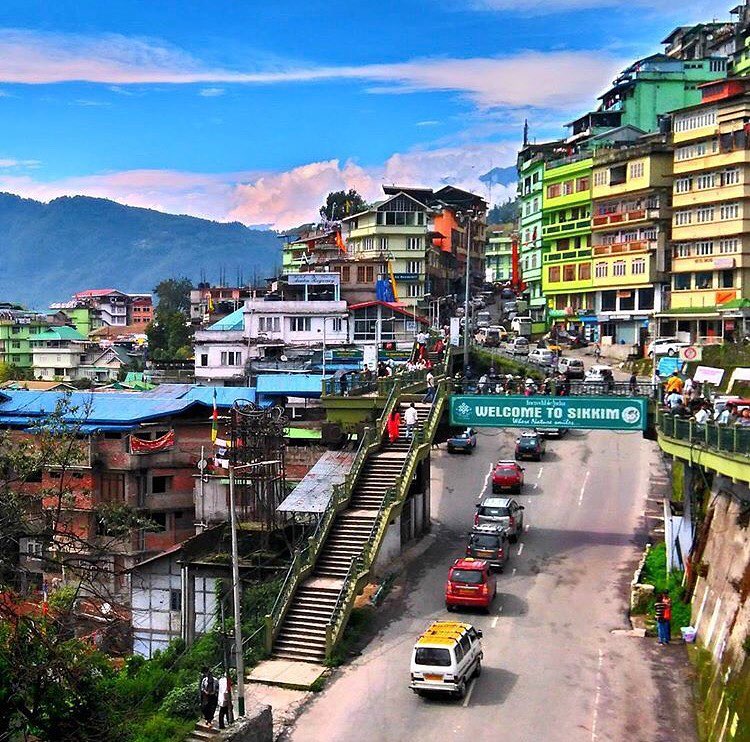
The picturesque Himalayan state of Sikkim, located in northeast India, on the border with Bhutan, Tibet, and Nepal, is World’s First Organic State. All of its farmland is certified organic.

Sikkim won the golden Future Policy Award 2018, conferred by the Food and Agriculture Organisation of the United Nations (FAO) and IFOAM, for the world’s best policies promoting agroecological and sustainable food systems, beating 51 nominated policies from 25 countries.

In 2003, Chief Minister Pawan Chamling announced the vision for Sikkim to be India’s first organic state. Sikkim became the first state in India to officially announce the adoption of organic farming to ensure long term sustenance of soil fertility, protection of environment and ecology, healthy living and decreasing the risk of health ailments.

The state government showed strong political will and policy coherence, along with well-defined targets and implementation plans. The policy combined mandatory requirements, such as gradually banning chemical fertilizers and pesticides, with support and incentives to build a holistic transformation of the whole Sikkimese food system.

The policy also focused on enhancing soil fertility, preserving water quality and increasing biodiversity at the field and landscape level. Training farmers in how to produce organic inputs such as compost, vermicompost and organic pesticides using local plants.

Sikkim thus returned to traditional methods of farming based on inter-connection between humans and nature. After a 13 year trial, Sikkim is now boasting an increased bee population, butterflies, more wildlife, larger yields and healthy soils. The state is not only preserving its rich biodiversity and fragile ecosystem, it is also showing the world that a small state can lead us into a greener and organic future.

Sikkim’s transition to a fully organic state has benefited over 66,000 farmers, reaching beyond just organic production to include socioeconomic aspects such as consumption and market expansion, rural development and sustainable tourism with its comprehensive and inclusive approach. As such, Sikkim is an excellent model for other Indian states and countries worldwide who want to upscale agroecology.

The Sikkim tourism sector also benefitted greatly from the state’s transition to 100 per cent organic as the number of tourists increased by over 50 per cent between 2014 and 2017. The transition not only increased the income but also the life expectancy of its entire population. In 2016, Sikkimese people lived ten years longer than in 1990 and the state administration has data showing the connection with healthy organic biodiverse food.

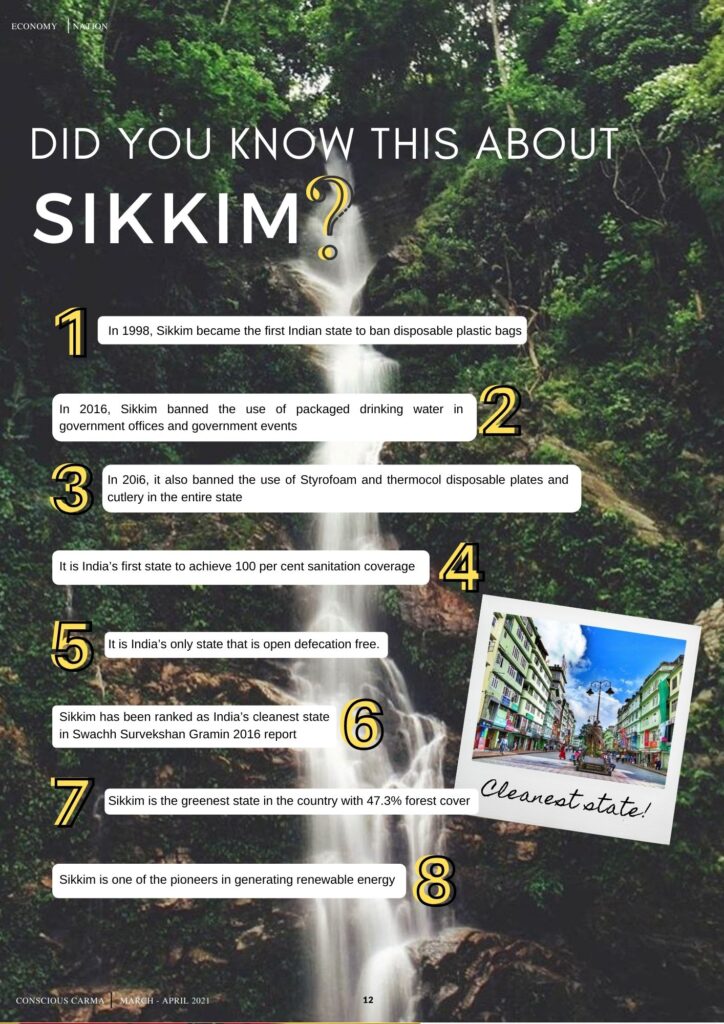
In the past two decades, Sikkim has become a pioneer in sustainable development. It is a state with many firsts when it comes to green policies. In 1998, it became the first Indian state to ban disposable plastic bags, it is also among the first to target single-use plastic bottles. “What happened was that in one episode in the 1990s, plastic carry bags got washed down due to heavy rainstorm. Drains got blocked, which resulted in a huge landslide. Some people died too. This triggered the state government to ban plastic bags,” said Rajendra P Gurung, CEO, Ecotourism and Conservation Society of Sikkim (ECOSS), a local NGO that works in Sikkim. In 2016, Sikkim took two major decisions. It banned the use of packaged drinking water in government offices and government events. Second, it banned the use of Styrofoam and thermocol disposable plates and cutlery in the entire state in a move to cut down toxic plastic pollution and tackle its ever-increasing garbage problem.

The state has another distinction—that of

Minimum diversion of 800 hectares of forest land for non-forestry purposes in the last 20 years.

It is also India’s first state to achieve 100 per cent sanitation coverage and the only state that is open defecation free. Urinating in public can cost Rs 500 ($7.50). The government made it mandatory to have a sanitary toilet at home to be eligible for any benefits from the government or to contest in village-level elections. This has resulted in the success of the programme which was envisaged years before Swachch Bharat Campaign (Clean India Campaign) was even conceptualized. In fact according to the Swachh Survekshan Gramin 2016 report Sikkim has been ranked as India’s cleanest state, based on the sanitation of its rural areas.

Sikkim is also the greenest state in the country. The forest cover based on interpretation of satellite data is 3,359 sq km which is 47.3 per cent of state geographical area as compared to 21 per cent of the national average. The Sikkim government has spent around Rs 10 crore on green mission so far and around 45 lakh indigenous trees, shrubs, herbs, climbers, creepers, conifers and green foliages including fruits and medicinal plants have been planted under the green mission to create a store house of genetic diversity.

Several protection and conservation programmes such as Sikkim green mission, Smriti Vans and Ten Minutes to Earth have been launched by the State. Under the “Ten Minutes to Earth” mission launched in 2009, 6,10,694 saplings were planted throughout the state in ten minutes, creating a new world plantation record. This greenery has helped in the sequestration of 1400 tonnes of carbon dioxide annually. Now, every year, on June 25, ten minutes are dedicated to a mass plantation drive.

Sikkim is on the road to attaining almost full literacy

The state even banned firecrackers in 2014 to contain noise and air pollution.

The state is also one of the pioneers in generating renewable energy.

It has a total installed power generation capacity of 674.43 MW. Of the overall installed power generation capacity in the state, thermal power contributes 102.25 MW, while hydropower and renewable power contributes 520 MW and 52.18 MW, respectively.

The state is also considered to be the Kingdom of flowers and is an innovator in cultivating Gladiolus

The state is richly endowed with rare and exotic flora and fauna, which includes 5,000 species of flowering plants, 515 rare orchids, 60 primula species and 36 rhododendron species. Of the 6,000 medicinal plants in India, over 424 plants (including the famous Artemisia vulgaris that is used as an antiseptic) are grown in Sikkim

Under the “Ten Minutes to Earth” mission launched in 2009, 6,10,694 saplings were planted throughout the state in ten minutes, creating a new world plantation record.

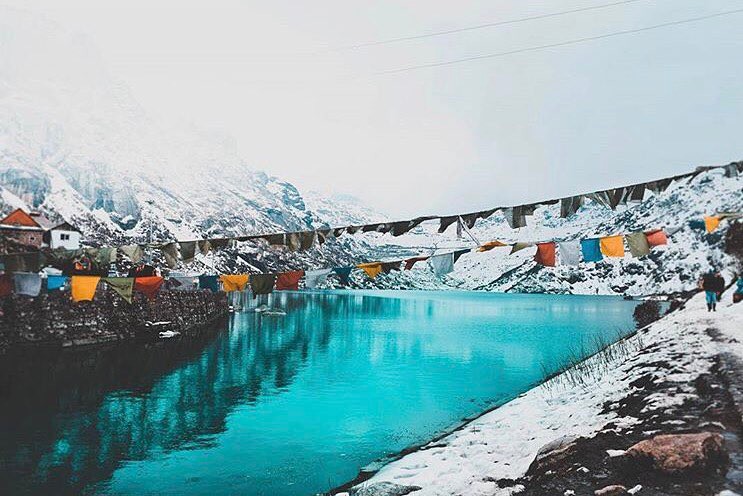
Sikkim has several snow-capped peaks including Khangchendzonga National Park, one of the most sustainable tourist destinations in India. A UNESCO World Heritage Site and India’s only Mixed Heritage site, this magnificent place is famous for both its cultural and natural heritage and is home to Kanchenjunga peak. Also, a home to red pandas and snow leopards, the park covers around a fourth of Sikkim’s area and borders both Nepal and China. Almost half of India’s bird species and one-third of the country’s flowering plants are found within this park.
Once considered to be one of the poorest states in India with 35 per cent of the people living below the poverty line, Sikkim now stands amongst the top income-generating states with a substantially low level of poverty. The Gross State Domestic Product (GSDP) of Sikkim expanded at a high CAGR of 15.86% between 2015-16 and 2019-20.

Sikkim is the only state which offers excise benefits and major players from the pharmaceutical industry have set up their manufacturing units in the state. A few of these are Cipla, Sun Pharma, Zydus Cadila, Alembic, IPCA, Alkem Lab, Intas Pharma, Torrent Pharmaceuticals, and Unichem.

The state attracted Foreign Direct Investment (FDI) equity inflow worth US$ 5.85 billion during April 2000 and September 2019 according to the data released by the Department for Promotion of Industry and Internal Trade (DPIIT).

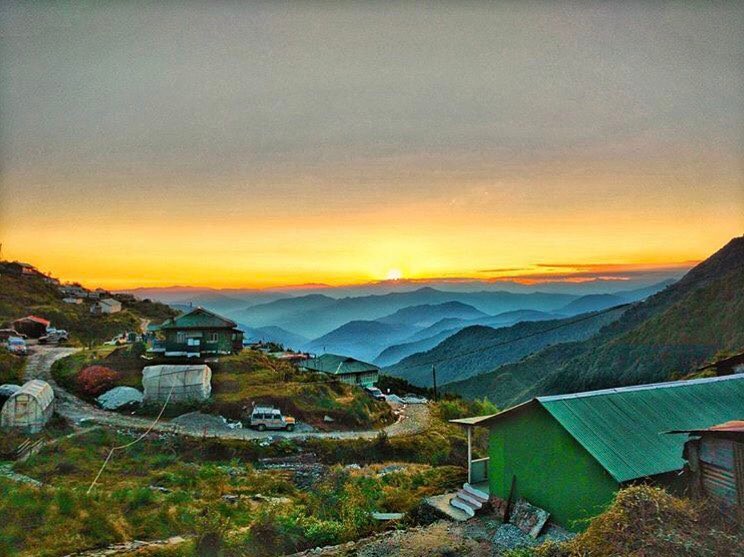
With a population of under seven lakh, the tiny state of Sikkim has been leading a green revolution of its own kind. Despite being small and isolated, and with its people leading their lives in extremely tough mountainous terrain, Sikkim has emerged as one of India’s environmental leaders.

Checkout the rest of the magazine from here

May 8, 2021 0 comment
0 FacebookTwitterPinterestEmail
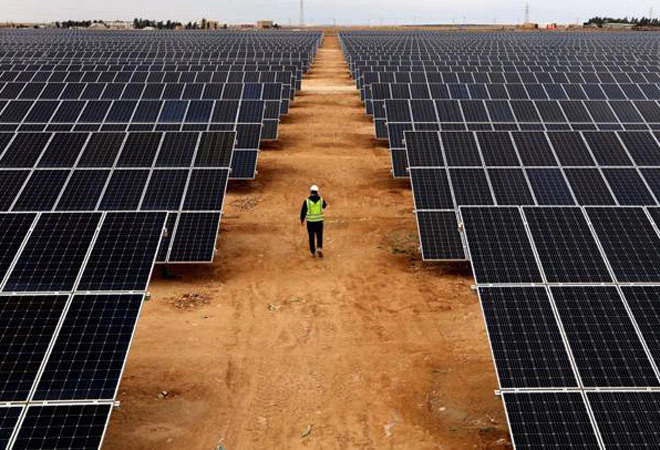
Ferrero solar panels
EconomyIndustry

Ferrero On A Path To Sourcing 100% Green Electricity For Its Plants

by Team Conscious Carma May 2, 2021
written by Team Conscious Carma

On Earth Day, Ferrero announced that they are making good progress in their efforts to cut emissions and reduce the environmental impact of their operations. As of today, already 18 Ferrero plants source 100% renewable electricity, which accounts for close to 80% of the electricity they purchase for all their manufacturing sites worldwide.

Ferrero’s sites in Europe and UK are already sourcing only green electricity. Within the last months, five more factories have reached this important milestone: Poços de Caldas (Brazil), Vladimir (Russia), Bloomington (USA), Franklin Park (USA) and Manisa (Turkey).

This is an important step on our journey to reach our 2030 goal of cutting the emissions from our operations by 50%.

“We have a strong responsibility as a global business to address the climate emergency and to limit our environmental footprint in our operations and across our value chain. The results so far are promising, and I would like to thank the teams worldwide in our factories and beyond that are addressing this issue with full dedication and commitment. This is crucial for us to continue this journey,” says Mario Abreu, Ferrero’s Chief Sustainability Officer

Ferrero has been engaged in climate protection for decades, and we will further accelerate our efforts to combat climate change.

In October last year, we announced that we’re aiming to halve all emissions from our own operations (scope 1 and 2) and reduce emissions by 43% for each tonne of product produced across all scopes by 2030. To accomplish this, we will continue to implement efficiency measures to lower our energetic needs, explore further options to purchase electricity from renewable sources and identify solutions together with our suppliers across our supply chains to reduce the carbon intensity. Ferrero’s climate goals have been approved by the Science Based Targets Initiative.

Source: Ferrero.com

Note: The content has been edited for style and length

May 2, 2021 0 comment
0 FacebookTwitterPinterestEmail
EconomyGlobal

France to ban short domestic flights to cut carbon emissions

by Team Conscious Carma April 18, 2021
written by Team Conscious Carma

French lawmakers have approved a bill that will ban short domestic flights in an effort to lower the country’s carbon emissions. Under the proposals, air routes will be abolished where the same journey could be made by train in under two-and-a-half hours.

The climate bill is aimed to remove domestic flights between the capital, Paris, and other cities, such as Nantes, Lyon, or Bordeaux. However, the law does provide exceptions for connecting flights. The planned measures will face a further vote in the Senate before becoming law.

Airlines around the world have been severely hit by the coronavirus pandemic, with the website Flightradar24 reporting that the number of flights last year was down almost 42% from 2019.

In May 2020, the French government forced Air France to give up domestic routes affected by the bill in return for financial support.

Some lawmakers have criticised the bill for its likely impact on the air travel industry, already under intense strain during the global COVID-19 pandemic.

Andrew Charlton, managing director of Aviation Advocacy Geneva, said that the law had been poorly explained to the industry. “There’s an enormous balance [between environmental concerns and business concerns] that has to be struck … it’s an extremely complicated matter,” Charlton said.

.But French consumer group UFC-Que Choisir called on lawmakers to retain the four-hour limit. “On average, the plane emits 77 times more CO2 per passenger than the train on these routes, even though the train is cheaper and the time lost is limited to 40 minutes,” it said. It also called for “safeguards that [French national railway] SNCF will not seize the opportunity to artificially inflate its prices or degrade the quality of rail service”.

This is not the first time similar measures have been introduced. Last year, Austrian Airlines replaced a flight route between the capital Vienna and the city of Salzburg with an increased train service, after receiving a government bailout with provisions to cut its carbon footprint.

Source: BBC News

Note: The content has been edited for style and length

April 18, 2021 0 comment
0 FacebookTwitterPinterestEmail
Newer Posts
Older Posts

Recent Posts

  • India–UK Free Trade Agreement Opens Global Growth Opportunities for 3R ZeroWaste’s Circular Economy Solutions
  • Plastic Free July: Why True Sustainability Goes Beyond Swapping Plastic
  • From the Editor’s Desk: When Greed Takes Over Conscience
  • Beyond the Pose: Why Your Yoga Mat Needs a Sustainable Upgrade
  • Best Sustainable Father’s Day Gifts: Conscious Carma’s Exclusive Picks

Recent Comments

  • Team Conscious Carma on Label Shivika Agarwal – where craft meets sustainability
  • Cocomeister.jp on Label Shivika Agarwal – where craft meets sustainability
  • Team Conscious Carma on Equitable City Designs To Fight Climate Change
  • UN report calls for repurposing of USD 470 billion of agricultural support that distorts prices and steer us away from environment and social goals | Consciouscarma on UNEP & ICMR collaborate to boost understanding of environmental dimensions of antimicrobial resistance in India
  • Wild Earth : Natural body products | Consciouscarma on Sat.Suma : the true essence of flowers in your everyday skincare needs

Keep in touch

Facebook Twitter Instagram Youtube

Recent Posts

  • India–UK Free Trade Agreement Opens Global Growth Opportunities for 3R ZeroWaste’s Circular Economy Solutions

  • Plastic Free July: Why True Sustainability Goes Beyond Swapping Plastic

  • From the Editor’s Desk: When Greed Takes Over Conscience

  • Beyond the Pose: Why Your Yoga Mat Needs a Sustainable Upgrade

  • Best Sustainable Father’s Day Gifts: Conscious Carma’s Exclusive Picks

  • How Sacred Sound is Reshaping the Future of Holistic Health?

Categories

  • Community (38)
    • Campaigns (3)
  • CSR (4)
  • Economy (82)
    • Global (24)
    • Industry (42)
    • Innovations (4)
    • National (2)
  • Environment (48)
  • Expert Corner (48)
    • Authored Articles (47)
  • Featured (5)
    • Partners (1)
  • Global News (2)
  • Initiatives (31)
    • CSR (3)
    • Events (6)
  • Inspiration (22)
  • Lifestyle (9)
  • Media Coverage (6)
  • Press Releases (4,358)
  • Products (126)
    • Accessories (27)
    • Apparel (32)
    • Beauty (26)
    • Food (4)
    • Gifting (3)
    • Home Décor (15)
    • Skin-Care (14)
  • Reports (3)
  • Spirituality (10)
  • Sustainability (49)
  • Sustainable Startup Stories (28)
  • Travel (19)
  • Uncategorized (2)
  • Wellness (33)
    • Home Cleaners (3)

Archives

  • August 2026 (1)
  • July 2026 (1)
  • June 2026 (6)
  • October 2024 (1)
  • September 2024 (1)
  • July 2024 (2)
  • June 2024 (2)
  • May 2024 (1)
  • November 2023 (330)
  • October 2023 (554)
  • September 2023 (631)
  • August 2023 (718)
  • July 2023 (723)
  • June 2023 (710)
  • May 2023 (608)
  • April 2023 (114)
  • March 2023 (7)
  • February 2023 (3)
  • January 2023 (11)
  • December 2022 (18)
  • November 2022 (1)
  • August 2022 (6)
  • July 2022 (8)
  • June 2022 (24)
  • May 2022 (11)
  • April 2022 (19)
  • March 2022 (11)
  • February 2022 (11)
  • January 2022 (14)
  • December 2021 (10)
  • November 2021 (4)
  • October 2021 (14)
  • September 2021 (22)
  • August 2021 (12)
  • July 2021 (17)
  • June 2021 (17)
  • May 2021 (16)
  • April 2021 (22)
  • March 2021 (33)
  • February 2021 (16)
  • January 2021 (22)
  • December 2020 (10)
  • Facebook
  • Twitter
  • Instagram
  • Pinterest
  • Linkedin
  • Youtube

@2020 - All Right Reserved. Designed and Developed by Bizopser Technologies

Consciouscarma
  • Home
  • About Us
  • Products
  • Community
    • Campaigns
    • Inspiration
    • Initiatives
    • CSR
  • Features
    • Sustainable Startup Stories
    • Travel
    • Lifestyle
    • Partners
  • Economy
    • Industry
    • Innovations
    • National
    • Global
  • Environment
  • Expert Corner
    • Authored Articles
    • Reports
  • Magazine
  • Contact