Consciouscarma
  • Home
  • About Us
  • Products
  • Community
    • Campaigns
    • Inspiration
    • Initiatives
    • CSR
  • Features
    • Sustainable Startup Stories
    • Travel
    • Lifestyle
    • Partners
  • Economy
    • Industry
    • Innovations
    • National
    • Global
  • Environment
  • Expert Corner
    • Authored Articles
    • Reports
  • Magazine
  • Contact
Category:

Economy

The countries, the governments, the non-profit organisations are all working towards changing the world for better, protecting the environment, shifting to renewable resources, inventing new technologies, innovating new ways of manufacturing, producing, distributing, packaging and living etc to reduce the carbon footprint
Panasonic DiwaliWaliSawai campaign
IndustryInitiatives

Panasonic marks International E-waste Day, announces the second edition of #DiwaliWaliSafai Campaign

by Team Conscious Carma October 14, 2021
written by Team Conscious Carma

Catch the #DiwaliWaliSafai campaign here

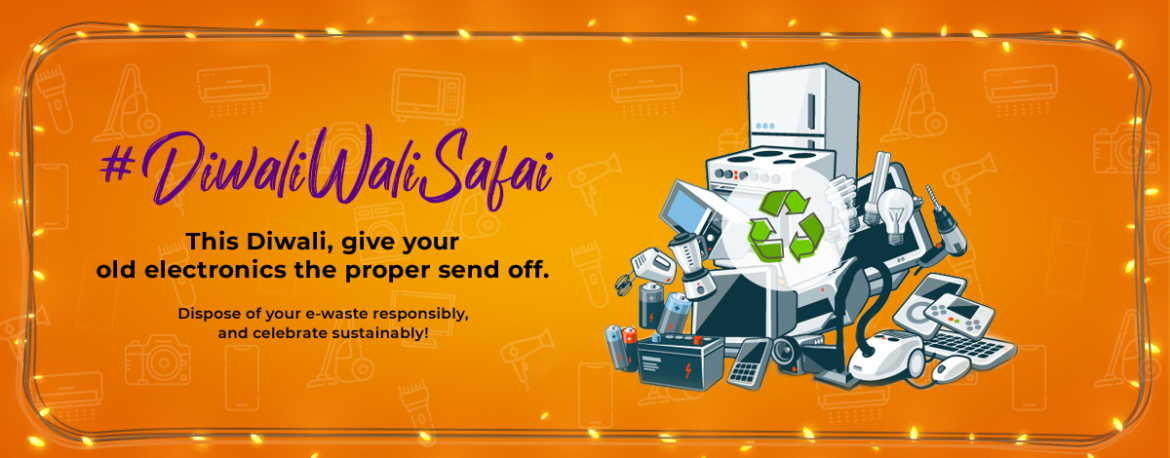
To mark International e-waste Day, Panasonic India, a leading diversified technology company, today announced the second edition of its awareness campaign #DiwaliWaliSafai on responsible disposal of e-waste. According to the Central Pollution Control Board report 2019-2020, India generated 1,014,960 tonnes of e-waste, which is the third-largest after China and the US. #DiwaliWaliSafai campaign is an endeavour by Panasonic to sensitize consumers around the rise of e-waste and the need for its responsible collection, disposal, and recycling.

The campaign is centred around the ritual of festive cleaning, an important and common practice in every household, during Diwali. While consumers get busy with celebrations, buying new items, they usually don’t pay attention to the disposal of their old electronics safely. With #DiwaliWaliSafai, Panasonic is urging everyone to proactively become active agents of change and make this Diwali greener by responsibly disposing of their e-waste. Panasonic is also offering free of cost home pick-ups for large appliances as well as assistance in identifying the closest collection centres.

Commenting on the campaign, Ms Ritu Ghosh, Head, Corporate Affairs & CSR, Panasonic India said, “At Panasonic, through Harit Umang – Joy of Green programme, our constant endeavour is to nurture the ecosystem by harnessing sustainable practices, imparting knowledge and inculcating responsible environmental behaviour through active engagements with consumers and communities. #DiwaliWaliSafai is a manifestation of this belief, to spread awareness on the importance of responsible e-waste disposal as it is the first step towards responsible e-waste recycling.”

Panasonic DiwaliWaliSawai campaign

As part of the #DiwaliWaliSafai campaign, Panasonic is running an engaging contest on its social media handles, encouraging consumers to share selfies with the e-waste they are disposing of responsibly this Diwali; wherein lucky participants stand a chance to win the company’s home appliances including LED TV, Washing Machine, Air Conditioner, Refrigerator, Microwave, Vacuum Cleaners and grooming kits. The contest is live till 24th October 2021.

Mr Shirish Agarwal, Head – Brand and Marketing Communications, Panasonic India said, “We launched the #DiwaliWaliSafai campaign last year and received really positive response which encouraged us to bring it back this year. The aim is to make #DiwaliWaliSafai into our flagship campaign to drive awareness on responsible disposal of e-waste during the festive season. Last year we reached out to 20 million consumers through our digital platforms and are hoping to keep the momentum going this year as well.”

To participate in the #DiwaliWaliSafaai campaign people can use any of the following social media handles of Panasonic India:

@PanasonicInNew Twitter

@PanasonicIndia Facebook  

@Panasonic_India Instagram 

@Panasonic India LinkedIn

About Panasonic India: Panasonic India is a wholly-owned subsidiary of Panasonic Corporation that is a worldwide leader in the development of diverse electronics technologies and solutions for customers in the consumer electronics, housing, automotive, and B2B businesses. The company, which celebrated its 100th anniversary in 2018, has expanded globally and now operates 528 subsidiaries and 72 associated companies worldwide, recording consolidated net sales of 6,698.8 billion yen for the year ended March 31, 2021. Panasonic commenced its operations in India in the year 1972 and the regional headquarter is located at Gurgaon, Haryana. Committed to pursuing new value through innovation across divisional lines, the company uses its technologies to create a better life and a better world for its customers. To learn more about Panasonic: https://www.panasonic.com/global.

October 14, 2021 0 comment
0 FacebookTwitterPinterestEmail
EnvironmentGlobal

Rising sea surface temperatures driving the loss of 14 percent of corals since 2009; Some show resilience, offering hope for recovery

by Team Conscious Carma October 5, 2021
written by Team Conscious Carma

Nairobi, 5 October 2021 – The “Status of Coral Reefs of the World: 2020” report, released today, documents the loss of approximately 14 per cent of the world’s coral since 2009. The report, the sixth edition produced by the Global Coral Reef Monitoring Network (GCRMN), provides the most detailed scientific picture to date of the toll elevated temperatures have taken on the world’s reefs.

This, the largest analysis of global coral reef health ever undertaken draws on data:

  • spanning 40 years
  • in 73 countries
  • across 12,000 sites
  • collected by more than 300 scientists
  • through 2 million individual observations.

Corals reefs across the world are under relentless stress from warming caused by climate change and other local pressures such as overfishing, unsustainable coastal development and declining water quality. An irrevocable loss of coral reefs would be catastrophic. Although reefs cover only 0.2 per cent of the ocean floor they are home to at least a quarter of all marine species, providing critical habitat and a fundamental source of protein, as well as life-saving medicines. It is estimated that hundreds of millions of people around the world depend on them for food, jobs and protection from storms and erosion.

Inger Andersen, Executive Director of the UN Environment Programme (UNEP), which provided financial, technical and communication support to the report said, “Since 2009 we have lost more coral, worldwide, than all the living coral in Australia. We are running out of time: we can reverse losses, but we have to act now. At the upcoming climate conference in Glasgow and biodiversity conference in Kunming, decision-makers have an opportunity to show leadership and save our reefs, but only if they are willing to take bold steps. We must not leave future generations to inherit a world without coral.” 

However, the report also found that many of the world’s coral reefs remain resilient and can recover if conditions allow, providing hope for the long-term health of coral reefs if immediate steps are taken to stabilize emissions to curb future warming.

“This study is the most detailed analysis to date on the state of the world’s coral reefs, and the news is mixed. There are clearly unsettling trends toward coral loss, and we can expect these to continue as warming persists. Despite this, some reefs have shown a remarkable ability to bounce back, which offers hope for the future recovery of degraded reefs. A clear message from the study is that climate change is the biggest threat to the world’s reefs, and we must all do our part by urgently curbing global greenhouse gas emissions and mitigating local pressures” said Dr Paul Hardisty, CEO of the Australian Institute of Marine Science

The analysis which examined 10 coral reef-bearing regions around the world[1] showed that coral bleaching events caused by elevated sea surface temperatures (SSTs) were the main driver of coral loss, including an acute event in 1998 that is estimated to have killed eight percent of the world’s corals, which, to put this in context, is more than all the coral that is currently living on reefs in the Caribbean or Red Sea and Gulf of Aden regions. The longer-term decline seen during the last decade coincided with persistent elevated SSTs.

“Coral reefs, so fragile and of such importance, are currently under serious threat. Ocean acidification, global warming, pollution: the causes of these threats are many and particularly difficult to address, insofar as they are extremely diffuse, and result from our entire development paradigm. We know that solutions exist that will help us to protect the corals more effectively, to mitigate the threats hanging over them and, by developing scientific research, to gain a better understanding of how we can save them” said Albert II, Prince of Monaco

The analysis investigates changes in the cover of both live hard coral and algae. Live hard coral cover is a scientifically based indicator of coral reef health, while increases in algae are a widely accepted signal of stress to reefs. Since 1978, when the first data used in the report were collected, there has been a 9 per cent decline in the amount of hard coral worldwide. Between 2010 and 2019, the amount of algae has increased by 20 per cent, corresponding with declines in hard coral cover.  This progressive transition from coral to algae-dominated reef communities reduces the complex habitat that is essential to support high levels of biodiversity.

The report also highlighted that although during the last decade the interval between mass coral bleaching events has been insufficient to allow coral reefs to fully recover, some recovery was observed in 2019 with coral reefs regaining 2% of the coral cover. This indicates that coral reefs are still resilient and if pressures on these critical ecosystems ease, then they have the capacity to recover, potentially within a decade, to the healthy, flourishing reefs that were prevalent pre-1998.

Key findings:

  1. Large scale coral bleaching events are the greatest disturbance to the world’s coral reefs. The 1998 event alone killed eight per cent of the world’s coral, which is the equivalent of about 6,500 square kilometres of coral.  The greatest impacts of this mass bleaching event were seen in the Indian Ocean, Japan, and the Caribbean, with smaller impacts observed in the Red Sea, The Gulf, the northern Pacific in Hawaii and the Caroline Islands, and the southern Pacific in Samoa and New Caledonia.
  2. Between 2009 and 2018, the world lost about 14 per cent of the coral on its coral reefs, which equates to around 11,700 square kilometres of coral, more than all the living coral in Australia.
  3. Reef algae, which grows during periods of stress, has increased by 20 per cent over the past decade.
  4. Prior to this, on average there was twice as much coral on the world’s reefs as algae.
  5. Coral reefs in East Asia’s Coral Triangle, which is the centre of coral reef biodiversity and accounts for more than 30 per cent of the world’s reefs, have been less impacted by rising sea surface temperatures. Despite some declines in hard coral during the last decade, on average, these reefs have more coral today than in 1983 when the first data from this region were collected.
  6. Almost invariably, sharp declines in coral cover corresponded with rapid increases in sea surface temperatures, indicating their vulnerability to spikes, which is a phenomenon that is likely to happen more frequently as the planet continues to warm.

Further resources: UNEP data visualization the Status of Coral Reefs of the World report

  • The report examines the status and trends in the world’s coral reefs since 1978 and pays special attention to increasingly frequent mass global coral bleaching events, the first of which occurred in 1998. It draws on a global dataset made up of almost 2 million observations from more than 12,000 collection sites in 73 countries across the 10 GCRMN regions: Australia, Caribbean, Brazil, East Asian Seas, Eastern Tropical Pacific, Pacific, South Asia, Western Indian Ocean, Red Sea and Gulf of Aden, and the ROPME[2] Sea Area which includes The Gulf and the Gulf of Oman.
  • The cover of live hard coral and algae were the two indicators of reef health used by the researchers. Both are widely accepted metrics of ecological degradation and standardized protocols allowed for a quantitative global analysis.
  • Confidence in estimates of the global average cover of hard coral is much greater after 1998 when monitoring effort and the availability of data increased.
  • The report was not able to assess changes in the species composition of coral and fish communities on the world’s coral reefs caused by large-scale disturbances because of the variation in the way in which coral reef monitoring programs around the world collect these data.
  • The latest IPCC report has warned that temperatures will continue rising without large-scale and immediate action and that existing ocean warming will persist for centuries to millennia.

Regional findings

  • Since 2010, almost all regions experienced coral loss with the ROPME Sea Area (around the Arabian Peninsula), South Asia, Australia and the Pacific showing the greatest declines. Statistical probabilities of decline exceeded 75 per cent in these regions, as well as in East Asia and the Western Indian Ocean—together comprising almost 50 percent of the world’s coral reefs.
  • ROPME Sea Area, Eastern Tropical Pacific, Red Sea and Gulf of Aden, Caribbean, Australia and Brazil all exhibited an increase in the cover of algae.
  • In areas where there is high confidence of the data, long-term losses of coral ranged from 5 percent in East Asia to 95 per cent in the Eastern Tropical Pacific. In Australia, the Caribbean, Eastern Tropical Pacific, and South Asia, greater than 75 per cent of areas that been repeatedly monitored for more than 15 years and had suffered a significant disturbance failed to recover fully to pre-disturbance condition.
  • A major break from this pattern was observed in East Asia’s Coral Triangle region, which contains almost 30 per cent of the world’s coral reefs, where they less impacted by thermal disturbances and in some cases recovery. Hard coral cover increased progressively from 32.8 per cent in 1983 to 40.8 percent in 2009. More recent data shows fluctuations, but coral cover remained higher in 2019 than in 1983, when the data was first collected. Resilience shown by these coral reefs may speak to advantageous traits found in the region’s diverse corals, potentially offering insights for how to protect other species and recovery in the face of warming temperatures.

About the International Coral Reef Initiative (ICRI)

The International Coral Reef Initiative (ICRI) is a proactive partnership between Nations and organisations which strives to preserve coral reefs and related ecosystems around the world. Founded in 1994 by eight governments, the initiative emerged from the recognition that coral reefs and related ecosystems were facing serious degradation. The initiative now hosts over 90 members and its actions are pivotal in continuing to highlight the importance of coral reefs and related ecosystems to environmental suitability, food security and cultural wellbeing.

About the Global Coral Reef Monitoring Network (GCRMN)

The Global Coral Reef Monitoring Network (GCRMN), founded as a network under the International Coral Reef Initiative (ICRI) in 1998, is an operational network of the International Coral Reef Initiative that aims to provide the best available scientific information on the status and trends of coral reef ecosystems for their conservation and management. The GCRMN is a global network of scientists, managers and organisations that monitor the condition of coral reefs throughout the world. The GCRMN operates through 10 regional nodes, each coordinated by a Regional Coordinator or coordinating organisation.

About the Australian Institute of Marine Science (AIMS)

The Australian Institute of Marine Science (AIMS) is Australia’s tropical marine research agency. In existence for almost half a century, it plays a pivotal role in providing large-scale, long-term and world-class research that helps governments, industry and the wider community to make informed decisions about the management of Australia’s marine estate. AIMS science leads to healthier marine ecosystems; economic, social and environmental benefits for all Australians; and protection of coral reefs from climate change. AIMS is the hosting institution for the GCRMN.

About the United Nations Environment Programme (UNEP)

UNEP is the leading global voice on the environment. It provides leadership and encourages partnership in caring for the environment by inspiring, informing and enabling nations and peoples to improve their quality of life without compromising that of future generations.

October 5, 2021 0 comment
0 FacebookTwitterPinterestEmail
Industry

TVS Motor to launch complete range of 2- and 3-wheelers in next two years; eyes dominance in EV space

by Team Conscious Carma September 30, 2021
written by Team Conscious Carma

The company has earmarked an investment of ₹1,000 crore on its electric vehicles (EV) business, while it will also continue to invest on conventional engine vehicles.

Chennai-based TVS Motor Company will launch a complete range of electric two and three-wheelers with power output ranging from 5 to 25 kilowatts in the next two years as it seeks to play a leading role in the country’s emerging electric vehicle space, according to a top company official.

“We are excited about EVs. We’re investing in building capability and products to play a leading role in this in the EV space going forward, which we believe will grow fast,” TVS Motor Company Joint Managing Director Sudarshan Venu told PTI.

He said the company is investing over Rs 1,000 crore on the EV venture with a team of over 500 engineers engaged in development of new electric vehicles.

When asked about the new EV product road map, Venu said, “We will have a complete range, which we will launch in stages over the next two years from 5 to 25 kilowatts — two-wheelers and three-wheelers in both passenger and cargo (segments) as well.”

Besides, he said, “We will also in the next couple of months announce an upgrade on the TVS iQube (the company’s existing electric scooter).”

The iQube, which has a peak power of 4.4 kW and a range of 75 km on a single charge, is currently sold in four cities.

“Our plan is to take this nationwide before the end of the fiscal year,” he said adding in September alone, TVS Motor Company plans to expand the availability of the iQube to another 20 cities.

Asked if TVS planned to export its EVs, Venu said, “We certainly believe that TVS has a good international business and we will look to export EVs as well.”

While bullish on the EVs, Venu said, “At the same time I think the exact pace of electric vehicle adoption will depend on various factors, including the maturity of technology, the improvements in technology and the advances, subsidies and customer acceptance, creation of charging infrastructure.”

From TVS’ point of view, he said, “We will invest ahead and be ready for this…We’re also announcing charging partnerships to scale up the fast charging and convenience to customers.”

Commenting on the company’s strategy for the conventional internal combustion engine vehicles (ICE), Venu said TVS will continue to invest where it sees growth opportunities and potential.

“We will continue to invest what is needed in this space…We have a regular product cadence…These launches will be adequately funded and where we see an opportunity in this space, we will certainly continue to invest,” he added.

The company sees the ICE business certainly having good traction particularly in certain segments and also in the export markets, Venu said while adding “but EV is very important for us and we’re investing behind it”.

Source : PTI

Note: The content has been edited for style and length

September 30, 2021 0 comment
0 FacebookTwitterPinterestEmail
sharda
IndustryProducts

Make in India : Indians making India proud

by Team Conscious Carma September 24, 2021
written by Team Conscious Carma

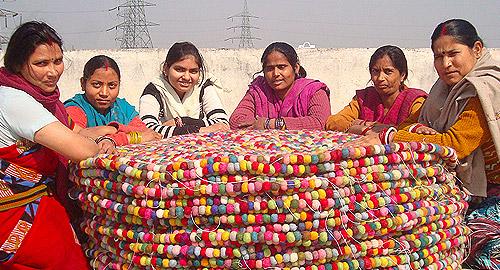
In the year 1983, entrepreneurs JK Gupta & Meenakshi Gupta started a small carpet making operation in Meerut, a small town 60 km north of Delhi.  Little did they knew that the unit, which they had set up in their garage with 6 weavers, will one day turn into an industry leader, directly or indirectly supportind around 5000 families and supplying rugs to more than 80 countries.  Today, Sharda Exports is well-known globally as a premier manufacturer & exporter of home fashion.

Conscious Carma magazine gets into a candid chat with Aditya Gupta

MD, Sharda Exports & The Rug Republic

Q1. Can you please share your journey in Sharda Exports and The Rug Republic.  When did you join your parents in business and what has been your contribution to the business thereafter.

The company was started in the mid 1980s by our parents. It started out as a couple weavers and some equipment in our home compound. My mother supervised the weavers while my father looked at the other aspects. My brother and I started to join the business towards the end of our college time. In 1992 we exhibited abroad (Germany, Domotex) and that began a wonderful journey that now extends over 90 countries. In 2013, The Rug Republic was created with the aim of enabling smaller retailers by removing MOQs per article and providing faster delivery times.

Q2. Both Sharda Exports & The Rug Republic are responsible and sustainable brands. Can you please comment on it

Sustainability & responsibility have been foundational blocks of our brands. We believe in not growing as a brand, but as an eco system which aims to uplift all around us. Sustainability is equally important to us, caring for the environment goes hand in hand in caring for the people who reside within it. And with the great design possibilities brought about by recycled materials, it’s almost a crime not to use them!

Q3. Sharda Exports won an award “Trend towards Veracity” at AIT-Trendscouting Heimtextile 2012 for innovative re-use of materials like flip-flops, jeans labels, carpet remains, old zip fasteners, etc.  How did this idea came. And are you working on any more innovations?

We’ve always been fascinated with alternate materials. Of course in soft furnishings, it is not all that easy to introduce new materials. The jean label thing was just an idea we were playing around with, we did not expect that rug to win so many accolades, but I’m thankful it did. Infact we were the first in the world to develop and manufacture carpets using waste leather. These days we are focusing a lot on PET yarn made from recycled plastic bottles. (trying to find pictures of that rug. will share asap)

Q4.What is the rank of Sharda Exports in the World’s leading Carpet Exporters. 

It is tough to give a definitive rank but I would like to think we are towards the top.

Q5. What are the USPs of Sharda Exports & The Rug Republic. How does it stand out among the competition

The design philosophy of both Sharda and TRR has been different from the very start. We use traditional techniques combined with design inspirations from all over the world (from the Taj Mahal to Ecuadorian villages) to create a truly global and avant garde collection that stands out among the crowd.

  • sharda
  • sharda

Q6. Future plans of Sharda Exports and The Rug republic

We are focusing on e-commerce a lot, both domestically and across the borders. We plan to keep stock in multiple locations across the globe to provide lightning fast delivery times for both our B2B and B2C clients.

Q7. How did the company take care of its employees during the pandemic

The pandemic was a tough time for all of us. We bought covid insurance for all our employees, implemented all sanitization and prevention protocols and have even reimbursed all pay cuts that took place due to office closure.

https://drive.google.com/drive/folders/1LEwuPYY4E2MDBSh5r_5ptDTuuJeZi4nL?usp=sharing

ECOLOGICAL MANUFACTURING


Sharda Exports is proud of its’ serious and ever growing focus on sustainable growth. Some of the green initiatives taken by them are listed below:

  • • Environmental Management System that starts with optimum usage of resources, particularly raw materials, water and energy; and includes effective management & control of wastes generated during the production process.
  • • Continuous development of innovative products using re-cycled materials like waste leather, fabric, rubber, ties, denims, jeans labels and even used sweaters.
  • • Development of products using different shades of natural yarn, avoiding dyeing altogether.
  • • Use of Sunlight for drying of carpets, thus saving on fossil fuels/ electricity.
  • • Installed two energy efficient Air Handling/ heating units with insulated chamber for carpet drying in foggy/ humid weather.
  • • Installed APFC’s (Automatic Power Factor Correction Panels) to maintain the power factor above 0.95 thus reducing power consumption.
  • • Daily monitoring and control of section-wise power consumption through sub-meters.
  • • Automatic Level Control System for prevention of overflow from overhead water tanks at all locations
  • • Installed a Carpet Wash Water Recycle System.
  • • Septic Tanks for treatment of domestic sewage water before disposal.
  • • Segregation of different types of waste at source for better recycle ability.
  • • Proper handling, storage, preservation and timely disposal of the waste materials/ empty containers to parties that re-use them in an environment friendly manner.
September 24, 2021 0 comment
0 FacebookTwitterPinterestEmail
agricultural
EnvironmentGlobal

UN report calls for repurposing of USD 470 billion of agricultural support that distorts prices and steer us away from environment and social goals

by Team Conscious Carma September 14, 2021
written by Team Conscious Carma
  • 87% – out of $540 billion – of annual government support to agricultural producers includes measures that can be harmful to nature and health
  • Agriculture is one of the main contributors to climate change through greenhouse gas emissions from different sources
  • Optimizing support for the agricultural sector using a transparent, customised and evidence-based approach, will benefit our planet

Nairobi/Rome/New York, 14 September 2021 – Global support to producers in the agricultural sector amounts to USD 540 billion per year, making up 15 per cent of total agricultural production value. By 2030, this is projected to soar up more than three times to USD 1.759 trillion. Yet 87 per cent of this support, approximately USD 470 billion, is price distorting and environmentally and socially harmful. These are findings of a new UN report calling for repurposing damaging incentives to achieve more of the 2030 Sustainable Development Goals and realize the UN Decade of Ecosystem Restoration.

The report, A multi-billion-dollar opportunity: Repurposing agricultural support to transform food systems, launched by the Food and Agriculture Organisation (FAO), the UN Development Programme (UNDP) and the UN Environment Programme (UNEP) finds that current support to producers mostly consists of price incentives, such as import tariffs and export subsidies, as well as fiscal subsidies which are tied to the production of a specific commodity or input. These are inefficient, distort food prices, hurt people’s health, degrade the environment, and are often inequitable, putting big agri-business ahead of smallholder farmers, a large share of whom are women.

In 2020, up to 811 million people in the world faced chronic hunger and nearly one in three people in the world (2.37 billion) did not have year-round access to adequate food. In 2019, around three billion people, in every region of the world, could not afford a healthy diet.

While the majority of agricultural support today has negative effects, about USD 110 billion supports infrastructure, research and development, and benefits the general food and agriculture sector. Reconfiguring agricultural producer support, rather than eliminating it, will help end poverty, eradicate hunger, achieve food security, improve nutrition, promote sustainable agriculture, foster sustainable consumption and production, mitigate the climate crisis, restore nature, limit pollution, and reduce inequalities.

The Director-General of FAO, Qu Dongyu, said: “This report, released on the eve of the UN Food Systems Summit, is a wake-up call for governments around the world to rethink agricultural support schemes to make them fit for purpose to transform our agri-food systems and contribute to the Four Betters: Better nutrition, better production, better environment and a better life.”

Agriculture is one of the main contributors to climate change through greenhouse gas emissions from different sources, including manure on pastureland, synthetic fertilizers, rice cultivation, burning crop residue, and land-use change. At the same time, agricultural producers are particularly vulnerable to impacts of the climate crisis, such as extreme heat, rising sea levels, drought, floods, and locust attacks.

agricultural

Continuing with support-as-usual will worsen the triple planetary crisis and ultimately harm human well-being. Meeting the goals of the Paris Agreement requires shifting support especially in high-income countries for an outsized meat and dairy industry, which accounts for 14.5 per cent of global greenhouse gas emissions. In lower-income countries, governments should consider repurposing their support for toxic pesticides and fertilizers or the growth of monocultures.

“Governments have an opportunity now to transform agriculture into a major driver of human well-being, and into a solution for the imminent threats of climate change, nature loss, and pollution,” said Inger Andersen, Executive Director of UNEP. “By shifting to more nature-positive, equitable and efficient agricultural support, we can improve livelihoods, and at the same time cut emissions, protect and restore ecosystems, and reduce the use of agrochemicals.”

The report highlights cases where such a process began: the Indian state of Andhra Pradesh that adopted a policy of Zero Budget Natural Farming; the 2006 reform of agricultural policies in China that supports decreased use of mineral fertilizers and chemical pesticides; the Single Payment Scheme in the United Kingdom that removed subsidies in agreement with the National Farmers’ Union; the European Union, where crop diversification has been incentivized through reform of the Common Agricultural Policy (CAP) and the Senegalese programme PRACAS to incentivize farmers to cultivate more diverse crops.

Although there is no one-size-fits-all strategy for repurposing agricultural producer support, the report recommends a broad six-step approach for governments:

  • measuring the support provided;
  • understanding its positive and negative impacts;
  • identifying repurposing options;
  • forecasting their impacts;
  • refining the proposed strategy and detailing its implementation plan; 
  • finally, monitoring the implemented strategy.

“Repurposing agricultural support to shift our agri-food systems in a greener, more sustainable direction — including by rewarding good practices such as sustainable farming and climate-smart approaches — can improve both productivity and environmental outcomes,” said UNDP Administrator, Achim Steiner. “It will also boost the livelihoods of the 500 million smallholder farmers worldwide — many of them women — by ensuring a more level playing field.”

By optimizing support for the agricultural sector using a transparent, customised and evidence-based approach, our planet will benefit from a healthier, more sustainable, equitable and efficient global agri-food system. The report is launched ahead of the 2021 Food Systems Summit (September), COP15 on biodiversity (October) and COP26 on climate change (November). These events will allow governments to make multilateral commitments to rethink outdated agricultural subsidies, build forward better for the post-COVID-19 era, to commit to such a strategy and to coordinate and monitor its implementation. 

About the Food Systems Summit

On 23rd September 2021, UN Secretary-General Antoìnio Guterres will convene a Food Systems Summit as part of the Decade of Action to achieve the Sustainable Development Goals (SDGs) by 2030. The Summit will launch bold new actions to deliver progress on all 17 SDGs, each of which relies to some degree on healthier, more sustainable and equitable food systems.

About the United Nations Environment Programme

UNEP is the leading global voice on the environment. It provides leadership and encourages partnership in caring for the environment by inspiring, informing and enabling nations and peoples to improve their quality of life without compromising that of future generations.

About the Food and Agriculture Organization

FAO is a specialized agency of the United Nations that leads international efforts to defeat hunger. Its goal is to achieve food security for all and make sure that people have regular access to enough high-quality food to lead active healthy lives. With over 194-Member Nations, FAO works in over 130 countries worldwide.

About the UN Development Programme

UNDP works in about 170 countries and territories, helping to eradicate poverty, reduce inequalities and exclusion, and build resilience so countries can sustain progress. As the UN’s development agency, UNDP plays a critical role in helping countries achieve the Sustainable Development Goals.

September 14, 2021 0 comment
0 FacebookTwitterPinterestEmail
policies
EconomyGlobal

Governments are increasingly adopting policies on air quality, but significant gaps hinder global progress towards cleaner air

by Team Conscious Carma September 7, 2021
written by Team Conscious Carma

Nairobi, 7 September 2021 – A global review of policies and programmes to improve air quality shows that over the past five years more countries have adopted policies on all major polluting sectors. Yet large gaps in implementation, financing, capacity, and monitoring mean that air pollution levels remain high. This data is published today, the International Day of Clean Air for blue skies, in a new report by the UN Environment Programme (UNEP).

The report, Actions on air quality: a global summary of policies and programmes to reduce air pollution, is based on recent survey data from 195 countries. It assesses policies and programmes in key sectors that contribute to air pollution: transportation, power generation, industrial emissions, solid waste management, household air pollution, and agriculture. It also looks at air quality monitoring, air quality management and air quality standards as key policy instruments to mitigate the impacts of air pollution.

As of 2020, 124 countries (about two-thirds) were found to have national ambient air quality standards, 17 more than reported in 2016. However, only 9% of these adhere to the limits established by the World Health Organisation (WHO) guidelines.

The report finds that although low-income countries suffer more from air pollution, actions to reduce air pollution have multiple development benefits, including climate mitigation, agricultural productivity, energy security, and economic growth.

Inger Andersen, Executive Director of UNEP, said: “When governments act on air quality, they help prevent seven million premature deaths annually. They also improve the overall health and economic well-being of 92% of the world population that lives where air quality levels exceed World Health Organization (WHO) limits. Today, we have more policies in place than ever before, but it is absolutely critical that we focus on implementation, especially where people are disproportionately affected by poor air quality.”

policies

Since 2016, when UNEP began tracking government actions on air quality, there have been improvements from industrial emissions, transportation, solid waste management, and household air pollution. For the first time, the report also reviews current policies and programmes on agriculture, air quality management and standards:

  • Since 2016,18 more countries have added new vehicle emission standards equivalent to Euro 4/IV or higher, bringing the total to 71 countries. Despite most low-income countries still lacking regulations for emission standards of imported used vehicles, a growing number of national regulations are emerging to reduce the maximum age of imported vehicles and incentivize citizens to get rid of old polluting vehicles. For example, Morocco only permits the import of vehicles less than five years old and those meeting the EURO4 European vehicles emission standard; as a result, it receives only relatively advanced and clean used vehicles from Europe, in line with UNEP’s recommendations;
  • 21 more countries have adopted policies for cleaner production bringing the total number of countries to 108;
  • 95 countries have programmes promoting clean cooking and heating, with 13 new countries compared to 2016. This has led to lower rates of diseases born from household air pollution, mostly in South and East Asia and the Pacific;
  • Though it remains a widespread phenomenon, 26 more countries now strictly regulate burning of solid waste (bringing the total to 38 countries), including landfill gas capture, improved collection, the separation of waste and sound disposal methods;
  • 58 countries have incentives in place to promote sustainable agriculture, and in deploying effective ways to mitigate methane emissions, including alternatives to open burning of agricultural residues, improved livestock manure management, composting to reduce food waste, and using methane capture for energy use;
  • Yet among the 124 countries with air quality standards, only 57 continuously monitor air quality, while 104 countries have no monitoring infrastructure in place. Thisreflects existing data gaps and capacity issues that hinder global progress on air quality.

Despite new clean air policies in countries worldwide and the steady decline of the burden of disease from household air pollution in some regions, health statistics suggest that ambient and indoor air pollution remain a leading global health risk factor. To improve air quality, there would need to be better enforcement of existing policies and regulations, more substantial financing, and more widespread monitoring and stronger capacities.

UNEP is calling on countries to incorporate investments in air pollution clean-up into their post-COVID-19 recovery plans. It is also calling for setting benchmarks to assess current and future actions towards cleaner air and to remove barriers in the implementation of policies and programmes, including financing and capacity gaps, and to overcome affordability and maintenance challenges of monitoring equipment.

The Actions on air quality: a global summary of policies and programmes to reduce air pollution report is complemented by regional report summaries (from Africa, Asia and the Pacific, Europe, Latin America and the Caribbean, North America and West Asia) documenting more in-depth actions in key sectors, as well as regional trends and priorities. UNEP will build on the findings of this report and continue using input from member states to track progress on action to improve air quality and inform efforts to address gaps and challenges globally.


About the International Day of Clean Air for blue skies

Emphasizing the need to make further efforts to improve air quality, including reducing air pollution, to protect human health; acknowledging that improving air quality can enhance climate change mitigation and that climate change mitigation efforts can improve air quality; the United Nationals General Assembly decided to designate 7 September as the International Day of Clean Air for blue skies.

About the United Nations Environment Programme (UNEP)

UNEP is the leading global voice on the environment. It provides leadership and encourages partnership in caring for the environment by inspiring, informing and enabling nations and peoples to improve their quality of life without compromising that of future generations.

September 7, 2021 0 comment
0 FacebookTwitterPinterestEmail
GlobalInspiration

Iceland – World’s most peaceful Country

by Team Conscious Carma September 5, 2021
written by Team Conscious Carma

Iceland,  a nation of over 3.5 lakh people has been declared as the most peaceful country in the world, according to the 2021 Global Peace Index. Holding this title since the inception of this Index in 2008, Iceland is also the only Nordic country that is more peaceful now than it was in 2008.

Iceland is followed by New Zealand, Denmark, Portugal, and Slovenia. While Afghanistan is the least peaceful country in the world for the fourth consecutive year, followed by Yemen, Syria, South Sudan, and Iraq. The 2021 GPI reveals a world in which the conflicts and crises that emerged in the past decade have begun to abate, only to be replaced with a new wave of tension and uncertainty as a result of the COVID-19 pandemic and rising tensions between many of the major powers.

Produced by the Institute for Economics and Peace (IEP), the Global Peace Index (GPI) is the world’s leading measure of global peacefulness. This report presents the most comprehensive data-driven analysis to-date on trends in peace, its economic value, and how to develop peaceful societies.

The GPI covers 99.7 per cent of the world’s population, using 23 qualitative and quantitative indicators from highly respected sources, and measures the state of peace across three domains: the level of Societal Safety and Security, the extent of Ongoing Domestic and International Conflict, and the degree of Militarisation.

About Iceland :

One of the youngest landmasses on the planet, and consequently home to some of the world’s most active volcanoes, Iceland is an island in the Atlantic Ocean, located near the Arctic Circle, between Greenland and Norway. Measuring around 103.000 km2 (40,000 square miles), it is about the same size as Hungary and Portugal, or Kentucky and Virginia. Iceland is the second largest island in Europe, following Great Britain, and the 18th largest island in the world. It is also the least populated country in Europe with less than three inhabitants per square kilometer. Almost 80% of the country is uninhabited, and much of its terrain consists of plateaux, mountain peaks, and fertile lowlands.

Iceland enjoys a cool, temperate maritime climate, with refreshing summers and surprisingly mild temperatures in winter. Icelandic culture has been shaped by isolation and the extreme forces of nature. These conditions have created a resilient people, where family ties are close, the sense of tradition is strong, and the bond with nature is tight.

Fisheries, Tourism and Services are the major economic sectors in Iceland. Today, Iceland is a progressive, modern society that continuously ranks at the top of measurements for quality of life, such as the United Nations Human Development Index. Its economy is one of the most productive economies in the world, per-capita, and it is annually considered to be one of greenest countries on the planet, due in large parts to its vast renewable energy resources.

Factors that make Iceland the most peaceful nation

  1. Low crime rate : Iceland has a very low level of crime . The murder rate in Iceland is zero to 1.5 a year, virtually no violent crimes, very small amount of petty crimes. Police officers in Iceland don’t carry guns and the nation has no army. Also, Iceland has no border nations, so no cross border conflicts and tensions..
  2. Relatively high standard of living : Crime is often linked to poverty. Iceland is not without its economical problems, but it does not have real poverty. The nation has low poverty rate and low unemployment rate. Employment regulations are relatively flexible and the labour market is one of the freest in the world. They also have one of the  highest literacy rate in the world
  3. Robust Social welfare system : Iceland has an insurance-based unemployment benefit wherein financial assistance is available for those without other resources. It also has housing benefit for those with low income and  family benefit which includes double the benefit for single parents, supplementary allowance to low income families.  Iceland also has a universal health care and has been ranked as one of the best performing in the world, ranked 15th by the World Health Organization. According to an OECD report, Iceland devotes far more resources to healthcare than most industrialised nations. The education is fairly reasonable. For eg., The University of Iceland has an annual tuition fee of approximately 600 EUR, which is well below Europe’s average of 4,500 EUR per year.
  4. Rich Nation with low income inequality : Iceland’s GDP per capita is amongst the highest in the  World. In 2018, the GDP per capita in Iceland amounted to more than 75,000 U.S. dollars. Also, its income inequality is among the lowest.  A fairly rich nation with equal distribution of income, Iceland has no social clashes.
  5. Progressive human rights and values :  There is no class system in Iceland and freedom of religion is guaranteed.  There are laws strictly forbidding discrimination based on race, gender, disability or other factors, Iceland is by many standards and measurements considered a world leader when it comes to the human rights enjoyed by its people. The nation ranks amongst the most evolved in the world when it comes to gender equality, equal pay for Men and Women, freedom of expression, gay rights,  and levels of democracy. Iceland is also number 1 in gender equality. Iceland was also the first country in the world to have a political party formed and led entirely by women in the year 1983.
  6. Small town feeling : Iceland has a very small and relatively homogenous population and is a very close-knit family oriented community.  Almost everyone knows everyone, and are directly or remotely connected.  People feel safe and secure in such surroundings.

7. No one has a bodyguard, not even the President: This statement stresses how safe the country is: simply put, there is no reason for anyone to have a bodyguard or an entourage for safekeeping. Icelanders feel safe in their country, even if they are in a position of power. 

8. Infants and toddlers take naps outside in their strollers : Having babies sleep in their strollers outside is quite an old tradition and Icelanders swear by it. No one would ever worry about their baby carriage being snatched or their baby being taken simply because it has never happened. Just proves how safe is the nation.

10.  Strict Driving Rules : The strict driving regulations in Iceland contributes  to the overall safety of its citizens and visitors alike. There are no highways in Iceland–the fastest you can possibly drive is 90 kmph (55.9 mph) and if you can travel at that speed, it means you are outside of town. Breaking Iceland‘s strict speeding laws results in shockingly high fines–for a strict adherence to the law.

11. Less tax burden : Iceland has relatively low taxes. Unlike most Western European countries, Iceland has a flat tax system: the main personal income tax rate is a flat 22.75%, and combined with municipal taxes, the total tax rate equals no more than 35.7%, not including the many deductions that are available. The corporate tax rate is a flat 18%, one of the lowest in the world.

12.  Effective Social Security and Pension system : The Icelandic pension system is based on three main pillars: the social security system, an occupational pension system and supplementary pension savings. 

Social security is a public pension system of which all Icelanders are members, with the primary objective of providing mutual insurance, income equalisation and a social safety net for pension recipients. Social security includes pensions, health insurance and disability insurance. 

Everyone who has been legally resident in Iceland for six months automatically becomes a member of the Icelandic social insurance system, regardless of nationality. Social insurance in Iceland is financed by the State Treasury. Persons do not pay special premiums for their social insurance: instead, employers pay premiums to the State Treasury on all paid wages. The funds collected by these means are used among other things, to finance social insurance.

Iceland is #1 in the following

  • Iceland ranks 1st in gender equality.
  • Iceland ranks 1st in income equality.
  • Iceland ranks 1st in the environmentally friendly index.
  • Iceland has the most sold books in the world Per capita.
  • Icelanders produce more writers and books than any other nation in the world. Per capita, that is. 10% of Icelanders will publish a book at one time in their lives.
  • Iceland had the first democratically elected female.
  • Iceland had the first openly gay Prime Minister.
  • Icelanders have the longest workweek in Europe, at 43.5 hours.
  • 100% of Icelanders have internet connections. Iceland is the only country in the world where every single home is connected.
  • Iceland hosts Europes’ largest glacier, Vatnajökull. It’s larger than all of Europe’s glaciers combined.
  • Iceland has the purest water in the world

Source : www.campeasy.com (This is the source for #1)

Sources : https://www.icelandtravel.is/blog/iceland-safest-country-in-the-world/, www,oecd.org, www.Guidetoiceland.is, www.iceland.is, www.government.is

September 5, 2021 0 comment
0 FacebookTwitterPinterestEmail
Hydrogen Mission PM Modi
EconomyNational

PM Modi announces Hydrogen Mission, self-reliance in energy by 2047

by Team Conscious Carma August 15, 2021
written by Team Conscious Carma

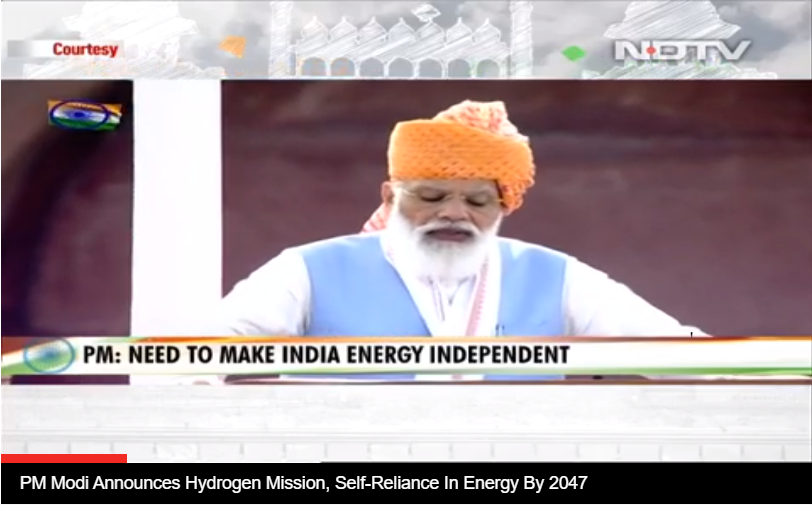
Prime Minister Narendra Modi on Independence Day formally announced the launch of a National Hydrogen Mission to accelerate plans to generate carbon-free fuel from renewables as he set a target of 2047 for India to achieve self-reliance in energy.

In his address to the nation, he said India can achieve self-reliance in energy through a mix of a gas-based economy, doping sugarcane extracted ethanol in petrol and electric mobility. India, he said, spends over ₹ 12 lakh crore on energy imports every year.

While India is 85 per cent dependent on imports for meeting its oil needs, overseas supplies make up for roughly half of the local requirement for natural gas.

“For India to progress, for Atmanirbhar Bharat, energy independence is necessary,” he said. “India has to take a pledge that it will be energy independent by the year we celebrate the 100th year of Independence.”

The roadmap for that is to increase usage of natural gas in the economy, setting up a network for supply of CNG and piped natural gas across the country, blending 20 per cent ethanol in petrol and electric mobility, he said.

The country has achieved the target of 100 gigawatts of renewable energy capacity ahead of the target, PM Modi added.

“I announce National Hydrogen Mission,” he said.

The target is to make India a global hub for production as well as export of green hydrogen. “Green hydrogen will give India a quantum jump in achieving its targets,” he asserted.

The National Hydrogen Mission was first announced in the Union Budget for 2021-22 in February this year.

Hydrogen is produced predominantly through Steam Methane Reforming, or SMR, which utilises fossils fuels, such as natural gas or coal, and through Proton Exchange Membrane Electrolysis, which splits water into hydrogen and oxygen using a current of electricity.

Hydrogen Mission PM Modi

Currently, all hydrogen consumed in India comes from fossil fuels. By 2050, three-fourth of all hydrogen is projected to be green — produced by renewable electricity and electrolysis.

Speaking at the ”Urja Sangam” conference in March 2015, Prime Minister Modi had set a target of cutting India’s oil import dependence from 77 per cent in 2013-14, to 67 per cent by 2022. Import dependence has, however, only increased.

The government is now looking at substituting some oil by one that is produced from sugarcane and other bio-materials. It is looking to supply petrol mixed with 20 per cent ethanol by 2023-24, up from the current 8 per cent.

Also, the government is looking at raising the share of natural gas in the economy to 15 per cent by 2030 from the current 6.2 per cent.

On Sunday, Modi said the roadmap for making India self-reliant in energy is clear — “promoting a gas-based economy, a pan-India network of CNG and piped natural gas and achieving 20 per cent ethanol blending target.”

“India has also moved towards electric mobility,” he said.

While electric vehicles gain currency, Indian Railways is also moving towards 100 per cent electrification.

Out of the target of setting up 450 gigawatts of electricity generation capacity from renewable sources by 2030, India has already achieved 100 GW ahead of schedule, he said.

In line with the government’s focus on hydrogen, both private and public sector companies have announced ambitious hydrogen projects.

While Reliance Industries and Adani Group are pushing ahead with their plans to make hydrogen a part of their portfolio, the nation’s biggest state-run refiner Indian Oil Corporation (IOC) has also unveiled hydrogen plans. IOC is working on technology to develop hydrogen-spiked compressed natural gas or H-CNG.

Source: PTI

August 15, 2021 0 comment
0 FacebookTwitterPinterestEmail
Tata Power
EconomyIndustry

Tata Power Tops CRISIL’s ESG Scores for Power Companies in India

by Team Conscious Carma August 7, 2021
written by Team Conscious Carma
  • Builds a robust roadmap to emerge as a global leader on ESG practices
  • CRISIL recently announced ESG scores of 225 companies across 18 sectors in India

Tata Power, India’s largest integrated power company, secured the highest score among its peers in the Indian Power sector in CRISIL’s, recently launched environmental, social and governance (ESG) scores. CRISIL, an S&P Global Company, is India’s foremost provider of ratings, data, research, analytics, and solutions. 

The company is committed to its vision to empower a billion lives through sustainable, affordable and innovative energy and has fared well on all ESG parameters viz. Environmental, Social and Governance and scored an impressive 67 out of 100. The company has scored 61 on environmental parameters and 60 and 77 on social and governance parameters, respectively. This assessment was made voluntarily by CRISIL and is based on publicly available information. 

ESG adherence being Tata Power’s core philosophy and drives its business strategy. It leads its way in the development of the company’s clean energy portfolio, decides its social innovations, and governance protocols. ESG is the company’s bridge to action and provides it with a lens through which it can translate organisational needs and ambitions into responsible business solutions while moving towards a sustainable and inclusive development path. 

Tata Power

As a part of its 2.0 business plan, Tata Power is focusing especially on the environmental pillar and has taken bold decisions towards no coal-based expansion on the generation side,  expansion of renewable footprints (80% by 2030 from 30 % currently) through utility business; development of robust EV charging infrastructure in the country et al. The company is confident of achieving carbon neutrality much before 2050 and aspires to become a global leader in Utility Sustainability practices. It has also developed a clear roadmap to achieve 100 % water neutrality and Zero waste to landfills by 2026. 

CRISIL, in its recent report, announced the ESG scores of 225 companies across 18 sectors in India factoring in their track record and disclosure standards. This includes a relative pan-sectoral assessment of all material ESG parameters relevant in the Indian context and is based on information available in the public domain and third-party providers.

The scores are based on CRISIL’s proprietary framework and are assigned on a scale of 1-100, with 100 denoting best-in-class ESG performance. The current evaluation analyses three annual reporting cycles through fiscal 2020. 

“It is a proud moment for us to achieve such high scores and to emerge as the leading ESG focused company in the Indian power sector. We would like to thank CRISIL for honouring our efforts. These scores are a testament of our realigned business model with new ESG trends, which are niche as well as scalable, to harness sustainable growth.” said Dr Praveer Sinha, CEO & Managing Director, Tata Power.

Tata Power has also identified key focus areas viz renewable footprints, carbon emission, resource availability, waste management, biodiversity, et al. The Company has also set its emission reduction targets in alignment with the Science-Based Targets initiative (SBTi).

Report link and disclaimer: https://www.crisil.com/en/home/what-we-do/financial-products/crisil-esg-compendium.html

About Tata Power: 

Tata Power is India’s largest integrated power company and, together with its subsidiaries and jointly controlled entities, has an installed/ managed capacity of 12,808 MW. A pioneer in the field, it has a presence across the entire power value chain – generation of renewable as well as conventional power including hydro and thermal energy, transmission & distribution, coal & freight, logistics and trading. The company had developed the country’s first 4000 MW Ultra Mega Power Project at Mundra (Gujarat) based on super-critical technology. With nearly 3.9 GW of clean energy generation from solar, wind, hydro and waste heat recovery accounting for 31% of the overall portfolio the company is a leader in clean energy generation. Tata Power is steering the transformation of all its Discoms into integrated solutions providers by looking at new business growth in distributed generation through rooftop solar and microgrids, storage solutions, EV charging infrastructure, ESCO, home automation & smart meters et al. 
With its 107 years track record of technology leadership, project execution excellence, world-class safety processes, customer care and green initiatives, Tata Power is well poised for multi-fold growth and committed to lighting up lives for generations to come. For more information visit www.tatapower.com

August 7, 2021 0 comment
0 FacebookTwitterPinterestEmail
tata power
EconomyIndustry

Tata Power set to reduce emissions in alignment with Science-Based Targets initiative (SBTi)

by Team Conscious Carma July 26, 2021
written by Team Conscious Carma
  • Company’s commitment accepted by SBTi, published under the companies taking action category
  • SBTi is a partnership between CDP, UN Global Compact, World Resources Institute, WWF and We Mean Business Coalition to drive climate action in the private sector

Tata Power, India’s largest integrated power company, has committed to set emission reduction targets in alignment with the Science-Based Targets initiative (SBTi). SBTi is an initiative that drives ambitious climate action in the private sector by enabling companies to set science-based emissions reduction targets. It is a partnership between CDP (Carbon Disclosure Project), the United Nations Global Compact, World Resources Institute (WRI), the World Wide Fund for Nature (WWF) and We Mean Business Coalition. The company’s commitment to the SBTi has been accepted and published under the companies taking action category on the website.

“Mitigating the impact of global warming requires swift and strong action. Tata Power has committed to SBTi and is working on an ambitious plan to drive the transition to decarbonized energy models, aiding the global climate action agenda. To achieve the emission reduction targets, we are moving rapidly to a green energy portfolio and continuously exploring and adopting technology-based solutions. We are confident of being #FutureReady and will continue lighting up lives!” said Dr Praveer Sinha CEO & MD, Tata Power.

The latest climate science sends a clear warning to curb temperature rise to avoid the catastrophic impacts of climate change. The power sector will play a key role in decarbonizing the global economy and meeting the goals of the Paris Agreement. 

To lead the reformation of the process for sustainable power, Tata Power has pledged to set scientific targets as proposed by Science-Based Target initiatives. It is the first Indian power company to commit to carbon neutrality before 2050 and is accelerating the transition to a sustainable future. 

Tata Power has already announced the planned phase-out of coal-based capacity and is rapidly expanding its clean and green portfolio with an intent of achieving 80% by FY30. Through its business offerings, Tata Power is spearheading the development of integrated solutions, focusing on mobility and lifestyle and empowering customers through emerging smart and green technologies.

List of Companies working with SBTi link- Companies taking action – Science-Based Targets

About Tata Power: 

Tata Power is India’s largest integrated power company and, together with its subsidiaries and jointly controlled entities, has an installed/ managed capacity of 12,808 MW. A pioneer in the field, it has a presence across the entire power value chain – generation of renewable as well as conventional power including hydro and thermal energy, transmission & distribution, coal & freight, logistics and trading. The company had developed the country’s first 4000 MW Ultra Mega Power Project at Mundra (Gujarat) based on super-critical technology. With nearly 3.9 GW of clean energy generation from solar, wind, hydro and waste heat recovery accounting for 31% of the overall portfolio the company is a leader in clean energy generation. It has successful public-private partnerships in generation, transmission & distribution in India viz : Powerlinks Transmission Ltd. with Power Grid Corporation of India Ltd. for evacuation of Power from Tala hydro plant in Bhutan to Delhi, Maithon Power Ltd. with Damodar Valley Corporation for a 1050 MW Mega Power Project at Jharkhand. Tata Power is currently serving around 12 million consumers via its Discoms, under public-private partnership model, in India viz Tata Power Delhi Distribution Ltd. with Government of Delhi for distribution in North Delhi; Tata Power Ajmer Distribution Ltd. with Ajmer Vidyut Vitran Nigam Ltd. for distribution in Ajmer, Rajasthan; TP Northern Odisha Distribution Limited,  TP Central Odisha Distribution Limited, TP Western Odisha Distribution Limited and TP Southern Odisha Distribution Limited with Government of Odisha.With a focus on sustainable and clean energy development, Tata Power is steering the transformation of all its Discoms into integrated solutions providers by looking at new business growth in distributed generation through rooftop solar and micro grids, storage solutions, EV charging infrastructure, ESCO, home automation & smart meters et al. 
With its 107 years track record of technology leadership, project execution excellence, world-class safety processes, customer care and green initiatives, Tata Power is well poised for multi-fold growth and committed to lighting up lives for generations to come. For more information visit us at: www.tatapower.com

July 26, 2021 0 comment
0 FacebookTwitterPinterestEmail
Newer Posts
Older Posts

Recent Posts

  • India–UK Free Trade Agreement Opens Global Growth Opportunities for 3R ZeroWaste’s Circular Economy Solutions
  • Plastic Free July: Why True Sustainability Goes Beyond Swapping Plastic
  • From the Editor’s Desk: When Greed Takes Over Conscience
  • Beyond the Pose: Why Your Yoga Mat Needs a Sustainable Upgrade
  • Best Sustainable Father’s Day Gifts: Conscious Carma’s Exclusive Picks

Recent Comments

  • Team Conscious Carma on Label Shivika Agarwal – where craft meets sustainability
  • Cocomeister.jp on Label Shivika Agarwal – where craft meets sustainability
  • Team Conscious Carma on Equitable City Designs To Fight Climate Change
  • UN report calls for repurposing of USD 470 billion of agricultural support that distorts prices and steer us away from environment and social goals | Consciouscarma on UNEP & ICMR collaborate to boost understanding of environmental dimensions of antimicrobial resistance in India
  • Wild Earth : Natural body products | Consciouscarma on Sat.Suma : the true essence of flowers in your everyday skincare needs

Keep in touch

Facebook Twitter Instagram Youtube

Recent Posts

  • India–UK Free Trade Agreement Opens Global Growth Opportunities for 3R ZeroWaste’s Circular Economy Solutions

  • Plastic Free July: Why True Sustainability Goes Beyond Swapping Plastic

  • From the Editor’s Desk: When Greed Takes Over Conscience

  • Beyond the Pose: Why Your Yoga Mat Needs a Sustainable Upgrade

  • Best Sustainable Father’s Day Gifts: Conscious Carma’s Exclusive Picks

  • How Sacred Sound is Reshaping the Future of Holistic Health?

Categories

  • Community (38)
    • Campaigns (3)
  • CSR (4)
  • Economy (82)
    • Global (24)
    • Industry (42)
    • Innovations (4)
    • National (2)
  • Environment (48)
  • Expert Corner (48)
    • Authored Articles (47)
  • Featured (5)
    • Partners (1)
  • Global News (2)
  • Initiatives (31)
    • CSR (3)
    • Events (6)
  • Inspiration (22)
  • Lifestyle (9)
  • Media Coverage (6)
  • Press Releases (4,358)
  • Products (126)
    • Accessories (27)
    • Apparel (32)
    • Beauty (26)
    • Food (4)
    • Gifting (3)
    • Home Décor (15)
    • Skin-Care (14)
  • Reports (3)
  • Spirituality (10)
  • Sustainability (49)
  • Sustainable Startup Stories (28)
  • Travel (19)
  • Uncategorized (2)
  • Wellness (33)
    • Home Cleaners (3)

Archives

  • August 2026 (1)
  • July 2026 (1)
  • June 2026 (6)
  • October 2024 (1)
  • September 2024 (1)
  • July 2024 (2)
  • June 2024 (2)
  • May 2024 (1)
  • November 2023 (330)
  • October 2023 (554)
  • September 2023 (631)
  • August 2023 (718)
  • July 2023 (723)
  • June 2023 (710)
  • May 2023 (608)
  • April 2023 (114)
  • March 2023 (7)
  • February 2023 (3)
  • January 2023 (11)
  • December 2022 (18)
  • November 2022 (1)
  • August 2022 (6)
  • July 2022 (8)
  • June 2022 (24)
  • May 2022 (11)
  • April 2022 (19)
  • March 2022 (11)
  • February 2022 (11)
  • January 2022 (14)
  • December 2021 (10)
  • November 2021 (4)
  • October 2021 (14)
  • September 2021 (22)
  • August 2021 (12)
  • July 2021 (17)
  • June 2021 (17)
  • May 2021 (16)
  • April 2021 (22)
  • March 2021 (33)
  • February 2021 (16)
  • January 2021 (22)
  • December 2020 (10)
  • Facebook
  • Twitter
  • Instagram
  • Pinterest
  • Linkedin
  • Youtube

@2020 - All Right Reserved. Designed and Developed by Bizopser Technologies

Consciouscarma
  • Home
  • About Us
  • Products
  • Community
    • Campaigns
    • Inspiration
    • Initiatives
    • CSR
  • Features
    • Sustainable Startup Stories
    • Travel
    • Lifestyle
    • Partners
  • Economy
    • Industry
    • Innovations
    • National
    • Global
  • Environment
  • Expert Corner
    • Authored Articles
    • Reports
  • Magazine
  • Contact