Consciouscarma
  • Home
  • About Us
  • Products
  • Community
    • Campaigns
    • Inspiration
    • Initiatives
    • CSR
  • Features
    • Sustainable Startup Stories
    • Travel
    • Lifestyle
    • Partners
  • Economy
    • Industry
    • Innovations
    • National
    • Global
  • Environment
  • Expert Corner
    • Authored Articles
    • Reports
  • Magazine
  • Contact
Category:

Expert Corner

Expert Corner

Earth Day 2021: A turning point for climate action

by Team Conscious Carma April 21, 2021
written by Team Conscious Carma

Earth Day 2021 marks a historic moment for action on climate change. President Biden Leaders’ Summit on Climate is unprecedented and he is expected to put forward ambitious national commitments.If the US halves its greenhouse gas emissions by 2030 compared to 2005, major governments would be committed to at least 60% of the effort required for the world to meet net-zero emissions by 2050.

There is still much diplomatic work required to close this commitment gap ahead of the COP26 climate summit in Glasgow in November, but it would mark a major political turning point on climate action.

The additional challenge is to now turn these political commitments into practical action, especially to get on track with emissions reductions by 2030.

A ‘once in a generation’ push for public-private cooperation

The transition to get on track for net-zero emissions may now be viewed through the perspective of a unique, decadal effort of public-private cooperation – a once in a generation push for an energy, industrial and agricultural systems upgrade, boosted by the need for a post-pandemic economic stimulus.

More than 1,000 corporations for example have now made net-zero commitments, and a United Nations-convened group of investors called the “Net Zero Asset Owners Alliance” now has more than $5 trillion of assets under ownership committed to this goal by 2050 or sooner.

We know we have 10 years to get on track. We know we must remove about 25 billion tonnes of CO2 equivalent of greenhouse gas emissions in that time. We know what sectors of the economy we must focus our efforts on.

Dominic Waughray
Managing Director, World Economic Forum

About World Economic Forum

The World Economic Forum, committed to improving the state of the world, is the International Organization for Public-Private Cooperation. The Forum engages the foremost political, business and other leaders of society to shape global, regional and industry agendas. (www.weforum.org).

April 21, 2021 0 comment
0 FacebookTwitterPinterestEmail
Authored ArticlesExpert Corner

Say Goodbye To Temporary Techniques, Manage Plastic Waste With Efficient Solutions

by Team Conscious Carma April 1, 2021
written by Team Conscious Carma

Per Capita Plastic Waste Generation rate in India is appx. 10 Kg per capita per year, which is far below any developed Country like US, where, Per Capita Plastic Waste Generation rate is appx. 135 Kg per capita per year. But we cannot afford to increase our per capita plastic waste generation rate to even 1 kg per capita because our population size is 135 Million. Even consumption of 1 kg per capita will increase 135 Million Kg and India do not have capacity to handle this much waste. Therefore, there is dire need to reduce our consumption pattern, redesigning of our packaging system, and strengthen the waste collection system and we should develop a approach to maximum recovery from waste by any possible mean.

Thanks to our Prime Minister, who took pledge in UN assembly and Hosting a World Environment Day in 2018. After that, Plastic Waste Management has become the most talked subject among the industries, policy makers, environmentalist and other stakeholders. Plastic Waste Management Rules, 2016 as amended in 2018 also played an important role in accelerating the talk and action on plastic waste. Industries are getting non compliance notices from State and Centre Pollution Control Board and recently Few MNC got financial penalty from the NGT also. But issuing notices and penalty to industries will not solve the issue as we can not compensate the environment damage with revenue. We need to enforce Policy at ground by educating stakeholders. We need to develop a mechanism so that stakeholder can participate and contribute to make it happen. The policy should be doable and action plan for executing policy should be available in public domain. But this is very unfortunate part of our system that there is lack of coordination among the authorities, who are responsible to implement policy and who make the policy. There is no uniform interpretation of policy and Rules and each reader bring its own interpretation and that is the biggest challenge in enforcing the policy at ground. 

Besides all issues and challenges, we also need to understand that today life is very difficult without plastic as we see plastic in every application. Therefore, we have to accept the fact that there will be no alternative to plastic and if there would be any alternative to plastic, it may be more harmful than plastic. It would be good if we start focusing on the supply chain of plastic waste and start delivering on the source segregation, maximum collection and recycling or co-processing of plastic waste. We should take a challenge to make a litter free country through mass awareness in which each citizen participate and each piece of plastic waste dumped in to dustbin only and no one should dare to dispose it in to river, ocean or anywhere else. If this happen, then plastic will not be consider as a problem because it will not be seen as litter waste. It will be collected efficiently by the waste workers and Municipality and brought back into the circular economy. then automatically, we will eliminate the plastic waste menace from our society and country. Recycling and Co-processing industries is having huge potential to consume thousands of tons of plastic everyday but they need quality plastic waste, which is possible only people do segregate at source and dispose waste into dustbin. 

Task is difficult but is not impossible. We need to strengthen every organisation, whether its ULBs, Gram Panchyat, NGO, Waste Management Agency etc. whoever works in waste and understand waste need to empower. Each such organization need to strengthen their capacity, knowledge, skill, network and efficiency for handling thousand tons of waste generated by us every day. They need to collaborate with other stakeholders for support and each stakeholder need to work with ownership to fight against this stubborn matter, this might be time taking and hard to adopt but it will gradually become a routine if we volunteer.

Ashish Jain

Founder President, Indian Pollution Control Association (IPCA)
DISCLAIMER: The views expressed are sole of the author and CONSCIOUS CARMA does not necessarily subscribe to it. CONSCIOUS CARMA will not be responsible for any damage caused to any person or organisation directly or indirectly.

April 1, 2021 0 comment
1 FacebookTwitterPinterestEmail
Authored ArticlesExpert Corner

Why cities that work for young children work for all

by Team Conscious Carma March 18, 2021
written by Team Conscious Carma

Rushda Majeed

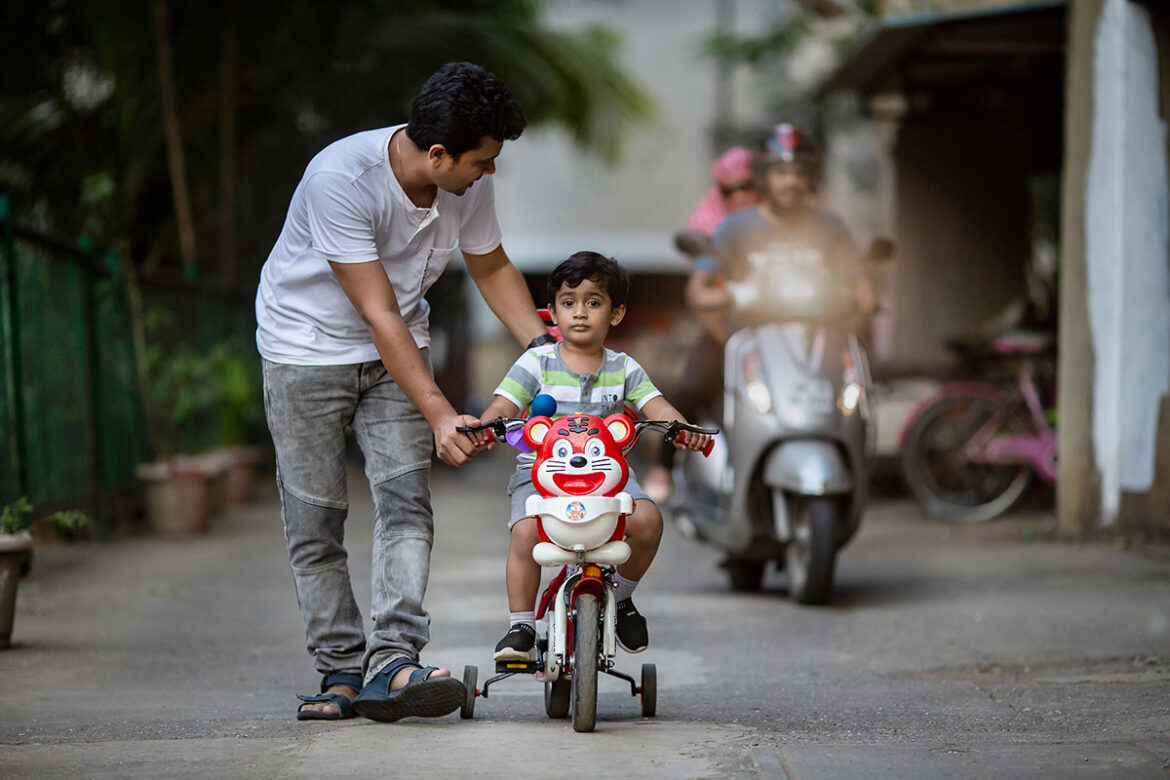
The first 1,000 days of life are the most critical for the holistic well-being of children. The brain develops the quickest in these years – one million new neural connections form per second – and its healthy development requires that children have adequate nutrition, opportunities to learn, nurturing care, and safety. The physical environment plays a vital role, which is why it’s important that cities are child- and family-friendly.  

Babies and toddlers need secure, healthy environments, warm and responsive interactions with loving adults, and safe, stimulating physical environments. Their caregivers—often including not only parents, but also grandparents and elder siblings— need crucial services to be easily accessible, among other things.

However, family-centred urban design is more than building playgrounds. Cities must keep in mind:

Design for caregiving: Children do not wander through cities by themselves; those looking after them decide where to go and how long to stay. These caregivers need to feel safe and comfortable.

Proximity matters: Good public transport is important, as is being able to walk safely, comfortably and quickly to your destination. Cities need walkable, mixed-use neighbourhoods that cater to a young family’s needs within 15 minutes on foot.

‘Think babies’ as a universal design principle: From a design perspective, babies and their caregivers’ vulnerability and drive to explore and play mean that if a space is safe, clean and interesting enough for them, it’s likely to work for everyone.

Children aged zero to four make up nearly 10% of India’s population (2011 Census). Many of them are or will be living in cities over the next decade. Our cities are therefore ripe for design interventions that benefit infants, toddlers, and their families.

Image Courtesy Bernard van Leer Foundation

Two of Bernard van Leer Foundation’s (BvLF’s) recent partnerships are great examples of such cities taking on relevant interventions, with the aim of scaling them up across the city.

Last December, one of our partners, the Pune Municipal Corporation (PMC) worked with technical partners Taru and Ecofirst and architecture students from the Allana College of Architecture to make a busy city junction child- and family-friendly. The PMC chose the crossing in Wanawadi locality thanks to its proximity to a local garden, accessed regularly by young children and their families. Painting the pavements and zebra crossing in bright colours caught the attention of motorists, who began to transit more carefully through the area. On one side, the width of the footpath was taken up by a large transformer, forcing pedestrians to use the road. This patch was given a colourful buffer zone of over 100 metres so that vehicles stayed away from the footpath and walkers remained safe.

In Udaipur, the Udaipur Municipal Corporation along with technical partner ICLEI-SA worked on transforming a prominent community space in an old city neighbourhood. The space, which was crowded with vehicles and unclean, became a clean, colourful, and playful space for use by children and families living around it.

Such seemingly small, yet critical interventions can have a transformative impact on the lives of young children and families. Access to open spaces, greenery, parks and playgrounds, safe crossings, and places to rest and play in neighbourhoods can benefit their health and well-being. Ultimately, keeping the needs of the youngest in mind contribute to creating cities that work, not just for young children, but for all.

Rushda Majeed, India Representative, Bernard van Leer Foundation

Rushda is responsible for the Foundation’s work in India. Previously, she helped manage Bloomberg Philanthropies’ India Smart Cities Challenge, a competition to select 100 cities for central government funding as part of the country’s Smart Cities Mission. Rushda has led research in 11 countries for Princeton University’s Innovations for Successful Societies to analyze reforms that improve government performance and accountability. She has also served as a core team member on the re-election campaign of a two-term Member of Parliament, advised a World Bank team on case study research, and managed a global leadership program for a New York-city based non-profit.

Rushda has written numerous case studies on institutional reforms, and her writings on the subject have appeared in Foreign Policy magazine’s Democracy Lab. She has a master’s degree in international affairs from the School of International and Public Affairs at Columbia University and a bachelor’s degree in computer science from Eastern Kentucky University.

March 18, 2021 0 comment
0 FacebookTwitterPinterestEmail
managing plastic waste
Authored ArticlesExpert Corner

How to manage plastic waste?

by Team Conscious Carma March 4, 2021
written by Team Conscious Carma

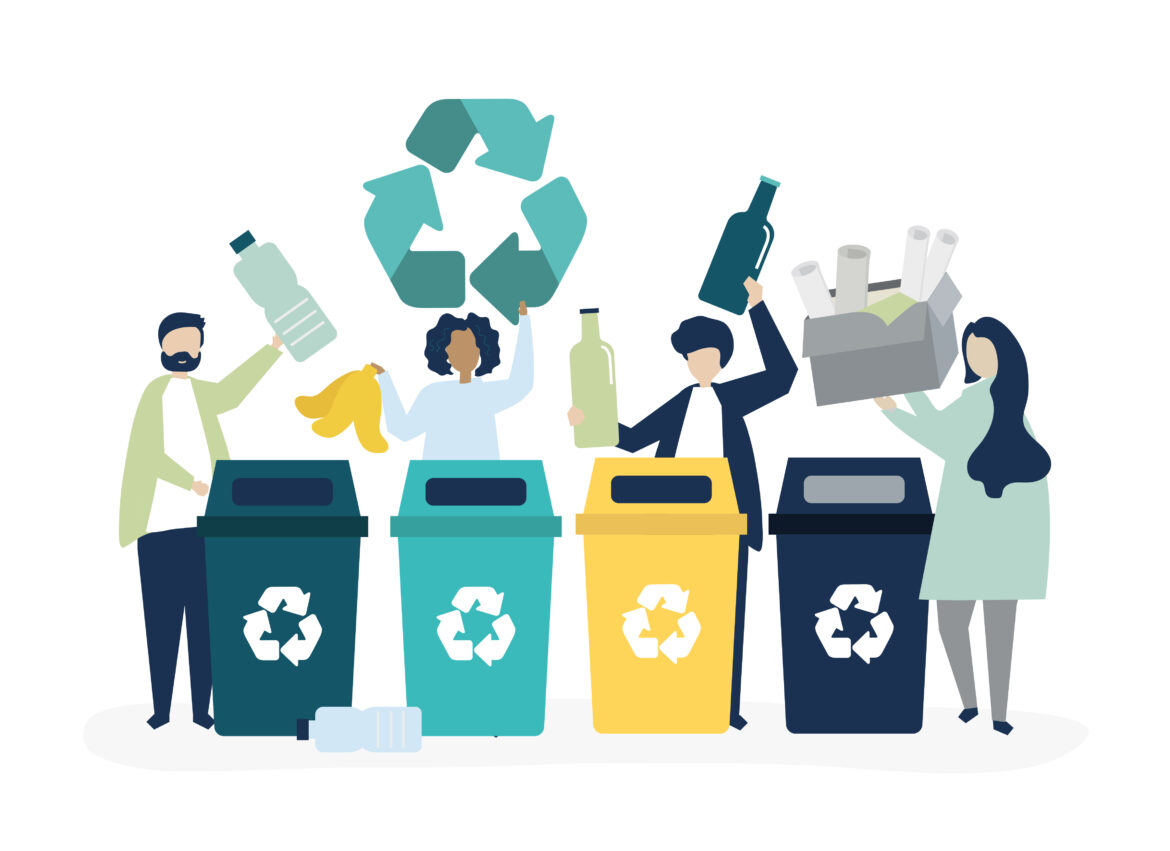
Plastic is an emerging problem in the modern world though there are several merits and demerits to it, I would like to put light on how we can manage waste to reduce carbon emission.   

Plastic is a man made non biodegradable product which breaks down into micro polymers or micro plastics making it harmful towards the environment on a long term basis. Plastic can be easily reformed into other possibilities hence it can be easier to manage it without much hassle. There are infinite methods to reuse plastic again and again until it can be recycled, millions of plastics in different shapes and forms are left in landfills either tossed onto the street or burnt into carbon fumes.

Plastic can be reused or upcycled creatively for household, gardening, toiletry and utility purposes. Many global countries are using alternatives from plastic waste in order to manage it effectively since it is easier. Plastic is durable, cheap & reprocessed easily hence making them reusable for required purposes. 

In today’s generation plastic can be found everywhere right from product development to packaging as well shipping goods. This states that the amount of plastic that has been used and will be used is enormous, Accordingly we need to be conscious of our consumption pattern. Since the 1950s, around 8.3 billion tons of plastic have been produced worldwide.

Yes, it can be difficult to stop the demand but if we become wise in saying no to single use plastic we can reach a level of neutrality in the next decade. 

Circular economy is the brightest solution for plastic waste management as it follows a strategic pattern due to which it can cause less carbon emission and also less waste generation, Several countries in Europe have adapted to this technique and have become zero waste nations which is a remarkable achievement. 

India as a country has shown a sense of responsibility during the pandemic and also experienced environmental change due to less movement and limited consumptions. If we follow the same approach this world will become a better place within no time. 

Parthsarthi Singh, Founder, HOPE : Healing Our Planet Earth

Checkout more about our campaign from Here

March 4, 2021 0 comment
0 FacebookTwitterPinterestEmail
plastic recycling
Authored Articles

Is recycling plastic harmful?

by Team Conscious Carma February 20, 2021
written by Team Conscious Carma

Like many before me, I’ve always wondered why recycling plastics is not as common as it should be. Why are they manufacturing more plastic? Why can’t plastic just be reused again? But before we get into that, I would like to define three terms; upcycling, downcycling, and recycling.

When the value of the re-made product is greater than the original product, it is said to be upcycled. If the new product has a lesser value, then the product is said to be downcycled. Recycling is just a general term used for converting waste materials into new objects; upcycling and downcycling are their types.

How plastics are recycled?

When we ask, “How plastics are recycled?” the first answer we get is that it’s melted and recast. But it’s not as simple as that. Only certain types of plastic (called thermoplastics) can be melted. Others are called thermosetting plastics and cannot be recast.

It is important to understand that plastic is not classified as a hazardous material. International regulations do not cover plastic recycling because of this. This means if someone does not recycle plastic, by law, it’s alright. No harm is done. Some states, in some countries, have enforced recycling. But there is no international law, or national law in India, that requires businesses to recycle.  Needless to say, that makes things a little more complicated.

Melting plastic to recycle sounds good in theory. But it has its fair share of adverse effects. Melting plastics can release fumes, volatile organic compounds, that are proven to be harmful to plant and animal life.

Once it affects plants and animals, it inevitably travels through the food chain. Over and over again. Human waste has been tested and found to have microplastics. The food you eat, the water you drink, it has plastic. The fumes are toxic and play a role in global warming.  I think you get the point, melting plastic is harmful.

Plastic, when melted and recast, is downcycled; because upcycling requires more plastic, hence more hazardous to the environment. So, when a downcycled plastic box and a plastic chair turn up, it is competing in the market against new, “fresh” plastic chairs; those of clearly better quality. It’s not hard to say that recycled products are not customer favourite.

But what happens after recycled plastic does its time?

Well, once downcycled, most plastics cannot be recycled again so they end up as waste in dumpsters, their inevitable doom. Recycling does not give plastics an immortal life as we are led to believe. It just delays the day it ends up as a landfill.

It’s hard to say if the plastic is a good invention or not. It has proved to be useful. But it cannot be used for all eternity without being harmful.

Recycling is good, it’s amazing. But it is not a solution to our problem with plastics. If there are no regulations for plastic disposal as a hazardous material, then nobody will take it as seriously as it should be taken. We need these rules and we need that change. Those steps start with spreading information about how recycling plastics are harmful too.

By Change Makers Society (CMS)

About Change Makers

Changemakers activates a global network of social entrepreneurs, innovators, business leaders, policy makers and activists to build an Everyone a Changemaker world.

Reflecting on Ashoka’s three decades of work with social entrepreneurs around the world, we recognize that progressive entrepreneurs and organizations mobilizing locally is what propels systemic change.

Changemakers works to build this movement by searching, selecting and supporting entrepreneurs, delivering ground-breaking analysis, accelerating company intrapreneurship, and creating strong partnerships that will drive the movement forward.

February 20, 2021 0 comment
0 FacebookTwitterPinterestEmail
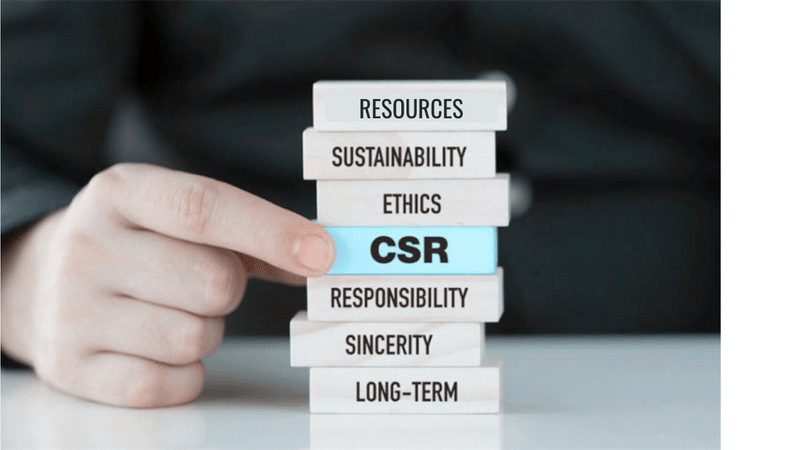
man pointing to wooden block having CSR written on it
Authored Articles

CSR & Branding- The Missing Interconnect

by Team Conscious Carma January 15, 2021
written by Team Conscious Carma

On April 1, 2014, India became the first country in the world to legally mandate corporate responsibility. The new rules in section 135 of India’s Companies Act make it mandatory for companies having a net worth of rupees 500 crores or more, or turnover of rupees one thousand crores or more or a net profit of rupees five crores or more shall constitute a Corporate Social Responsibility (CSR) Committee.

UNIDO (United Nations Industrial Development Organization) on the other hand has been advocating the ‘Triple-Bottom-Line’ (TBL)-Social, Environment and Financial accountability for quite a while now. This integrated approach is relevant to all enterprises, small, medium & large.

While the key purpose of any Business to exist, is to generate economic wealth and employment, it has to also fulfil its responsibilities of being a ‘responsible citizen’. Therefore, an organization needs to willingly accept and participate in building the society at large. Businesses can see CSR activities as opportunities to move above charity or pure philanthropic endeavour to something more useful and meaningful for their business.
They can leverage this to enhance their brand equity. This is an oft-forgotten role of CSR – to be
able to build purposeful brands!

What is a Brand?

To fully appreciate what brand equity is all about, we need to first define the ‘Brand’.There are many definitions of what a brand is. At Vertebrand we define it as below:

“A Brand is a bundle of functional benefits and added values that some people value enough to buy into repeatedly”

In this competitive and digital era, brands struggle to keep a sustainable differentiation (added values). This is something that keeps them ahead of their competition. A well-thought through efficiently & effectively run sustainable CSR can provide that differentiation, so vital in building a Brand Equity.

Brand equity is both for Internal customers (current and future employees & Investors) and External stakeholders – customers, vendors, government bodies & society at large. Therefore, a well-executed CSR makes the Internal customers proud and happy leading to brand loyalty, which we know builds strong brand champions.
But unfortunately, few companies in India have truly leveraged CSR for the benefit of their corporate brand equity.

Based on Annual Reports, Top 3 companies for CSR in 2019 have been Tata Chemicals, Infosys Ltd. and Bharat Petroleum Ltd. Employees of BPL contributed rupees 4.27 crores as CSR for Covid-19 relief fund. From the way CSR is managed in these organizations, it clearly fuels the passion of Internal Champions to build the brand equity.

What is CSR?

Concept of CSR is not new to India. The term maybe. Philosophers like Kautilya from India promoted ethical principles while doing business. Moreover, most of the religions of the world have cited the concept of helping the poor and disadvantaged. “Zakaat” followed by Muslims, is a donation for one’s earnings which is specifically for that purpose. Similarly, Hindus follow the principle of “Dharmada” and Sikhs the “Daashant” to cite a few.

man pointing to wooden block having CSR written on it

Almost all Fortune 500 companies practice and report CSR activities. However, there is no single definition of CSR that is universally accepted. Three key definitions that are widely accepted –

  • Philip Kotler and Nancy Lee (2005) define CSR as “a commitment to improving community well being through discretionary business practices and contributions of corporate resources” whereas
  • Mallen Baker refers to CSR as “a way companies manage the business processes to produce an overall positive impact on society”.
  • Archie Carroll describes CSR as a multi-layered concept that can be differentiated into four interrelated aspects – Economic, Legal, Ethical and philanthropic responsibilities.

Many corporations around the world are already engaging in CSR. Here we are shortlisting just two such interesting examples showcasing CSR, impact on Brand Equity:

Corporations showcasing CSR impact on Brand Equity

  1. Chipotle and Intermarche –Food waste statistics are very shocking. Nearly 33% of the food produced in the world is lost or wasted $990 Billion. (Source: Food and Agricultural Organization of the United Nations). “The Inglorious Fruit and Vegetable” campaign, aimed at reducing waste of less-than-perfect-looking food by Intermarche, a French Supermarket. By selling “inglorious” produce at a 30% discount, and heavily publicizing the initiative. They even ran an ugly fruit and vegetable contest on their Instagram page. As per Intermarche: “This initiative is a complete success because it’s the win-win-win campaign: consumers get the same quality products for cheaper, the growers get money for products that are usually thrown away and Intermarche increased its business by selling a brand new line of products”.
  2. Cadbury Diwali ad -Cadbury created sweet surprises for local businesses across India. Powered by AI, Cadbury created a hyper-personalized ad to reach out to over 1800 local retailers, across 260 pin codes, whose businesses are being promoted locally through the campaign. The campaign has caught the attention of netizens as it is being applauded across social media – Brand Cadbury has won hearts & eyeballs!

While all customers are important, the millennials and Generation Z is driving the business of today. They believe companies should invest in improving society and look for solutions that will assist the environment at large. In addition to this, they believe companies must transparently share the positive impact they are making.

A sustained and well run CSR will go a long way in enhancing the Brand Equity of any organization. Be small or large.

High time Indian Corporates look at CSR as a strategic initiative that will positively impact brand equity. Rather than a mere charity for a social cause!

nalin raj

Nalin Raj Khanna
Managing Director and Senior
Partner, VERTEBRAND, India’s
only end-to-end outsourced Brand
Strategy and execution firm.

Checkout the article in our magazine from here

Checkout other posts from our Blog

  • India–UK Free Trade Agreement Opens Global Growth Opportunities for 3R ZeroWaste’s Circular Economy Solutions
  • Plastic Free July: Why True Sustainability Goes Beyond Swapping Plastic
  • From the Editor’s Desk: When Greed Takes Over Conscience
  • Beyond the Pose: Why Your Yoga Mat Needs a Sustainable Upgrade
  • Best Sustainable Father’s Day Gifts: Conscious Carma’s Exclusive Picks
January 15, 2021 0 comment
0 FacebookTwitterPinterestEmail
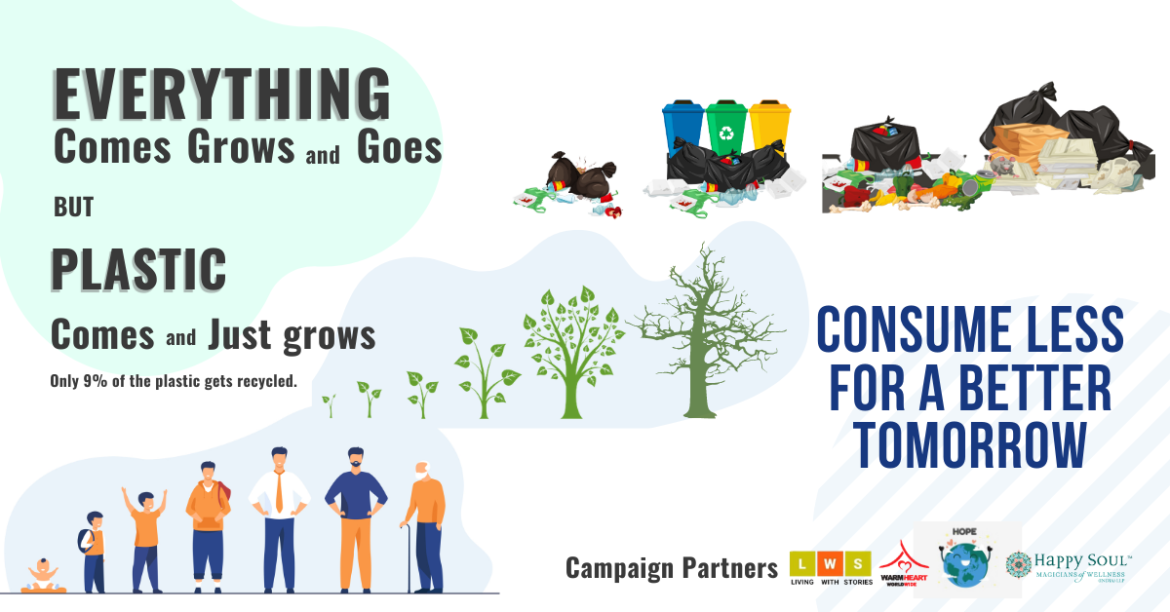
Consume less plastic infographic
Authored Articles

The Complex Lifecycle of Plastic

by Team Conscious Carma January 11, 2021
written by Team Conscious Carma

Every living being has a lifecycle. They are born, live their life and then leave the World.  All biodegradable things also have a lifecycle, only one thing which doesn’t die is PLASTIC. As if it’s got a boon to stay forever on the Earth.

According to a report by the United Nations Environment Programme, the world produces 400 million tonne single-use plastic (SUP) waste annually (47% of the total plastic waste). Moreover, an estimate tells that only 9 per cent of the plastic gets recycled worldwide. Also, a report by the Central Pollution Control Board (CPCB) says that, in 2017, India alone generated close to 25,940 tonnes of plastic waste per day.

Single-use plastic

single use plastic dump

Can you imagine how much plastic is accumulating and how adversely it is affecting all the living beings?  The worst is the Single-use plastic which widely affects the environment, especially the marine ecosystem. This results in tonnes of garbage getting dumped in the oceans each year. Every minute, over eight tonnes of plastic gets dumped into the oceans or landfills.

Plastic exposes the distinct toxic risks to human health at every stage of the plastic lifecycle. Starting from wellhead to refinery, from store shelves to human bodies, and from waste management to ongoing impacts of microplastics in the air, water, and soil. Plastic has a very complex lifecycle and at every stage, it is very harmful.

In conclusion, if we all start ditching the single-use plastic, we can contribute a lot towards saving our environment and every living being. Eventually, a small step can make a lot of difference, it can lead to a revolution. The governments world over are taking stringent steps. All they need is our support, our commitment to ditching plastics in our daily lives.

Together, we can make a difference

Let’s consume less for a better tomorrow

To checkout our #ConsciousUse campaign, Click here

January 11, 2021 0 comment
0 FacebookTwitterPinterestEmail
Authored Articles

Consciousness of the Soul

by Team Conscious Carma December 16, 2020
written by Team Conscious Carma

Garbh Upanishad – The treatise on conception and growth of a child in the
mother’s womb

yan flows from Guru to shishya, there is no book or kriya or mantra that can replace a Guru. It is the Guru-shishya parampara that has bestowed Bharatvarsha with the reservoirs of Gyan (knowledge) in the form of Upanishads. In fact, the term ‘upanishad’ translates as ‘sitting near the Guru’ and is formed from two words – ‘upa’ that is ‘near’, and ‘nishad’ which means ‘to sit’.

Just sitting in the company of Guru can reveal truths so profound and deep that even till date many parts of the Upanishads are yet to be explored by modern scientists. Garbha Upanishad, the treatise on conception and growth of a child in the mother’s womb, is one such example.

Given at least 4000 years ago by Rishi Pippalaada, the Garbha Upanishad details how conception takes place, factors that determine gender and traits of the baby, the environment inside the womb, the stages in the development of the embryo and what it goes through…It might come as a surprise but in the womb itself, the being starts making promises…and forgets them the moment it is out of the womb. In the absence of a Guru, the being is unable to fulfil the promise in its lifetime and before it knows, it is making another promise, this time in an ICU to improve in its next birth and the body disintegrates. Once again it takes shelter in another womb, repeating its promise and forgetting to keep it, the cycle goes on…

I have detailed below the journey of the spirit from the womb to the world as given in Garbha
Upanishad as a reminder of the promise each one of you made…and as a wakeup call, to find a
Guru who can put you on the reverse journey, lest you waste this birth as well.

The five-fold body comprises of the earth that sustains, water that consolidates, fire that illuminates, air that brings in motion and ether that lends space. The five sense organs help perceive the physical creation, the genitals are for pleasure and Apana for elimination, intellect helps understand, mind helps to think and words are used to speak. This body is supported by six rasas (tastes), associated with six Gunas (qualities), consists of seven dhatus (tissues), three malas (wastes), two yonis and is nourished by four ahaars (foods). The proper combination of gunas give rise to six rasas from which blood is created. From blood, flesh, then fat, bones, marrow and semen. The combination of semen and blood, the human embryo is formed.

December 16, 2020 0 comment
0 FacebookTwitterPinterestEmail
Newer Posts
Older Posts

Recent Posts

  • India–UK Free Trade Agreement Opens Global Growth Opportunities for 3R ZeroWaste’s Circular Economy Solutions
  • Plastic Free July: Why True Sustainability Goes Beyond Swapping Plastic
  • From the Editor’s Desk: When Greed Takes Over Conscience
  • Beyond the Pose: Why Your Yoga Mat Needs a Sustainable Upgrade
  • Best Sustainable Father’s Day Gifts: Conscious Carma’s Exclusive Picks

Recent Comments

  • Team Conscious Carma on Label Shivika Agarwal – where craft meets sustainability
  • Cocomeister.jp on Label Shivika Agarwal – where craft meets sustainability
  • Team Conscious Carma on Equitable City Designs To Fight Climate Change
  • UN report calls for repurposing of USD 470 billion of agricultural support that distorts prices and steer us away from environment and social goals | Consciouscarma on UNEP & ICMR collaborate to boost understanding of environmental dimensions of antimicrobial resistance in India
  • Wild Earth : Natural body products | Consciouscarma on Sat.Suma : the true essence of flowers in your everyday skincare needs

Keep in touch

Facebook Twitter Instagram Youtube

Recent Posts

  • India–UK Free Trade Agreement Opens Global Growth Opportunities for 3R ZeroWaste’s Circular Economy Solutions

  • Plastic Free July: Why True Sustainability Goes Beyond Swapping Plastic

  • From the Editor’s Desk: When Greed Takes Over Conscience

  • Beyond the Pose: Why Your Yoga Mat Needs a Sustainable Upgrade

  • Best Sustainable Father’s Day Gifts: Conscious Carma’s Exclusive Picks

  • How Sacred Sound is Reshaping the Future of Holistic Health?

Categories

  • Community (38)
    • Campaigns (3)
  • CSR (4)
  • Economy (82)
    • Global (24)
    • Industry (42)
    • Innovations (4)
    • National (2)
  • Environment (48)
  • Expert Corner (48)
    • Authored Articles (47)
  • Featured (5)
    • Partners (1)
  • Global News (2)
  • Initiatives (31)
    • CSR (3)
    • Events (6)
  • Inspiration (22)
  • Lifestyle (9)
  • Media Coverage (6)
  • Press Releases (4,358)
  • Products (126)
    • Accessories (27)
    • Apparel (32)
    • Beauty (26)
    • Food (4)
    • Gifting (3)
    • Home Décor (15)
    • Skin-Care (14)
  • Reports (3)
  • Spirituality (10)
  • Sustainability (49)
  • Sustainable Startup Stories (28)
  • Travel (19)
  • Uncategorized (2)
  • Wellness (33)
    • Home Cleaners (3)

Archives

  • August 2026 (1)
  • July 2026 (1)
  • June 2026 (6)
  • October 2024 (1)
  • September 2024 (1)
  • July 2024 (2)
  • June 2024 (2)
  • May 2024 (1)
  • November 2023 (330)
  • October 2023 (554)
  • September 2023 (631)
  • August 2023 (718)
  • July 2023 (723)
  • June 2023 (710)
  • May 2023 (608)
  • April 2023 (114)
  • March 2023 (7)
  • February 2023 (3)
  • January 2023 (11)
  • December 2022 (18)
  • November 2022 (1)
  • August 2022 (6)
  • July 2022 (8)
  • June 2022 (24)
  • May 2022 (11)
  • April 2022 (19)
  • March 2022 (11)
  • February 2022 (11)
  • January 2022 (14)
  • December 2021 (10)
  • November 2021 (4)
  • October 2021 (14)
  • September 2021 (22)
  • August 2021 (12)
  • July 2021 (17)
  • June 2021 (17)
  • May 2021 (16)
  • April 2021 (22)
  • March 2021 (33)
  • February 2021 (16)
  • January 2021 (22)
  • December 2020 (10)
  • Facebook
  • Twitter
  • Instagram
  • Pinterest
  • Linkedin
  • Youtube

@2020 - All Right Reserved. Designed and Developed by Bizopser Technologies

Consciouscarma
  • Home
  • About Us
  • Products
  • Community
    • Campaigns
    • Inspiration
    • Initiatives
    • CSR
  • Features
    • Sustainable Startup Stories
    • Travel
    • Lifestyle
    • Partners
  • Economy
    • Industry
    • Innovations
    • National
    • Global
  • Environment
  • Expert Corner
    • Authored Articles
    • Reports
  • Magazine
  • Contact