Consciouscarma
  • Home
  • About Us
  • Products
  • Community
    • Campaigns
    • Inspiration
    • Initiatives
    • CSR
  • Features
    • Sustainable Startup Stories
    • Travel
    • Lifestyle
    • Partners
  • Economy
    • Industry
    • Innovations
    • National
    • Global
  • Environment
  • Expert Corner
    • Authored Articles
    • Reports
  • Magazine
  • Contact
Category:

Products

Eco-friendly & sustainable products
CarbonCraft™
Home DécorProducts

CarbonCraft™: World’s first Tile made using upcycled carbon

by Team Conscious Carma November 24, 2021
written by Team Conscious Carma

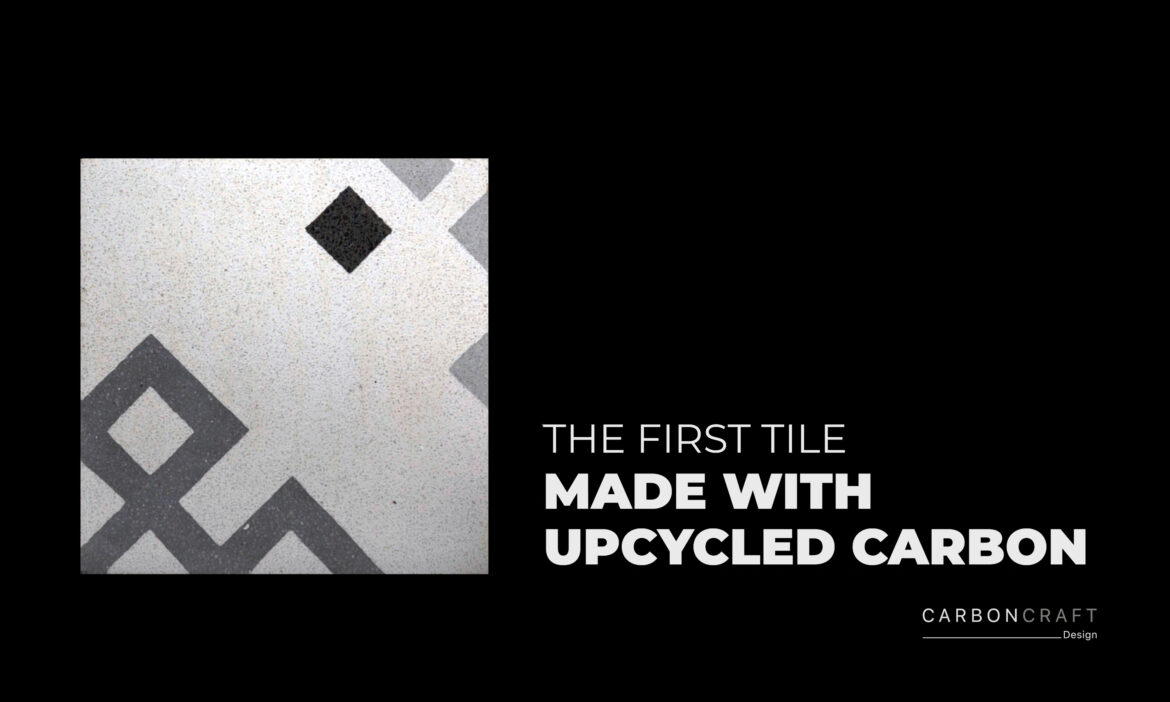
CarbonCraft™, a Goa-based startup by Tejas Sidnal, has developed CarbonCraft™ Tile – a first of its kind to be made using upcycled carbon – that aims to prevent carbon emissions at scale through conventional building elements.

CarbonCraft™

Once in a lifetime pandemic has claimed over 2 million lives while air pollution kills 4.2 million people every year. 14 of the world’s 20 most polluted cities are in India. This is the most important health risk of our time. Among the toxins present in the polluted air, Particulate Matter (PM particles) are the most dangerous. Presently, 9 out of 10 people live in places where air quality exceeds WHO limits.

Air pollution has two problems:

  1. How to capture or collect carbon?
  2. What to do with the captured or collected carbon?

It is essential to address both of them to solve the big problem of air pollution completely. From our journey so far, we realised that there are various methods to capture/ collect pollution, but the next big question is what to do with the resulting carbon. Either they have to be burnt or dumped polluting our air, land & water. This directed us to solely focus on the potential and scarcity of carbon utilization solutions as our long term vision.

We have been encountering multiple companies who are addressing the first problem from tyre pyrolysis waste, crop burning, ambient pollution and indoor pollution. Previously we collaborated with one of them to build upcycled carbon products. Our cross collaboration mindset has helped us understand and look for solutions beyond mainstream understanding of air pollution. As we move ahead, we envision to solve air pollution from multiple aspects of industries, geographies, and people. CarbonCraft™ is set out to find alternate ways to upcycle this carbon into new useful forms especially for the building and construction industry. We collaborate with various capture capture/ collection companies to develop higher-grade carbon upcycled products for businesses and end consumers. Through this process, one of the carbon utilisation problems we identified was intriguing and required our immediate intervention.

Causes of air pollution have always been seen from a mainstream point of view which is through exhaust emissions from vehicles, chimneys, and factories. The frightening and apparently invisible problem is that while exhaust emissions have been tightly regulated for many years, waste tyre management is totally unregulated. With the ever-increasing growth and demand for tyres for all types of vehicles especially Electric Vehicles, the result is a humongous accumulation of waste tyres in India and other countries.

There are only two ways to deal with tyre wastes. Open incineration or Pyrolytic degradation. While the former is obviously dangerous and prohibited, the later, pyrolytic degradation of tyres at pyrolysis factories, is considered a safe way to break down tyres to oil, steel wires and tyre pyrolysis waste called recovered carbon black (rCB). 100 million waste tyres are generated in India each year, and there are over 600 registered pyrolysis plants. An estimated

1.5 lakh tonnes of this carbon waste are produced. So far, there has been no repurposing of this material other than burning at cement and bricks kilns as a cheap fuel. This causes particulate matter air pollution around the surrounding areas of the factories leading to poor air quality levels.

Every country has the waste management problem of waste tyres and its recovered carbon waste due to its no alternative-use case other than burning at kilns. We identified this unnoticed burning of recovered carbon waste from tyre pyrolysis as a behemoth problem especially in India which has become a serious environmental issue. In recent years, the Government has taken stringent steps and, in fact, banned a large number of pyrolysis plants to regulate the issue in certain states.

CarbonCraft™: World’s first Tile made using upcycled carbon

CarbonCraft™ Tile is the first tile to be made with upcycled carbon by using recovered carbon waste as a resource. Since this material is only used to be burnt at cement kilns, we create a positive impact by repurposing this material as a building resource. Thus, we prevent air pollution through CarbonCraft™ Tiles.

Solving this problem of air pollution at scale is deeply instilled in our methodology.

Is Air Pollution only a Technological Challenge? It then dawned on us that it required an Architectural intervention to solve this issue at scale. We connect the volume-based waste management problem with the volume intensive material consuming industry with a larger intent to foster a circular economy in the material supply and consumption.

The building & construction industry is the largest consumer of raw materials and responsible for 39% of total energy-related carbon emissions according to the World Green Building Council. If 1% of this industry consumed the waste rCB as a resource, the impact will be phenomenal and would prevent it from being used as a cheap fuel material.

The annual global tile consumption is about 170+ billion sqft, and India alone consumes 9+ billion sqft. In addition, India is the second-largest producer of ceramic tiles in the world. Tiles have become a necessity for both interior and exterior spaces. So, the scalability of the product is directly proportional to the market consumption. Every sqft of CarbonCraft™ Tile is equivalent to preventing the effect of 25 kgCO2e (according to our calculations based on the GEF report on Black Carbon). An average apartment uses 500 sqft of tiles which can prevent over 12 tCO2e. So, one can imagine the scalability of climate action we can achieve by helping consumers to open up new choices like this.

CarbonCraft™ Tiles are essentially addressing Climate Change issues through local craft and sustainable design principles. These tiles are carbon upcycling solutions for architects, businesses, and end customers to take climate action through a commonly consumed building material. Our tiles are completely handcrafted for interior applications from floors to walls. Our artisans replicate the unique tile patterns that we designed by taking inspiration from various Indian cities and their industries. The end finishes not only decorate the home, office, showroom, or any other interior spaces but also will remain impactful and contemporary.

The world population is very likely to reach 9 billion of us by 2050. This imposes tremendous dependency on the construction sector to accommodate the increasing population. To sustain, it is important for us to shift towards a circular economy.

We are on a path to address Climate Change issues through craft and design. To achieve it – We build products by upcycling carbon.

TEJAS SIDNAL: Founder of CarbonCraft™

Bio: Tejas is an Architect | Biomimetic Designer | Researcher from Mumbai. Having a strong inclination towards Biomimicry he has been researching this field for the past 9 years. His passion lies in exploring sustainable innovative strategies for designing. Breathe is an international visiting school which he directs and runs at the intersection of Biomimicry – Material Science – Design. He has completed his masters from AA School of Architecture, London as a Tata Scholar and has now set up a platform for research – CarbonCraft™, in Goa to experiment challenging work at the intersection of Tech – Craft – Design.

November 24, 2021 0 comment
0 FacebookTwitterPinterestEmail
GiftingProducts

Let’s have a Green Diwali for a Healthy Us and a Healthy Planet

by Team Conscious Carma October 29, 2021
written by Team Conscious Carma

Diwali, the festival of lights, celebrates the victory of good over evil.  Lord Ram killed Ravan and returned home to Ayodhya after an exile of 14 years. The entire kingdom was lighted with diyas to welcome him, signifying the end of darkness and new beginnings.

All over the country, people celebrate it with great fervor, wearing new clothes, exchanging gifts with near and dear ones, lighting their homes and offices, bursting crackers, etc.

Celebrations and festivities do add cheer and positivity and when done in the right manner, it helps keep the environment safe and protected.  This Diwali, let’s celebrate consciously and make a difference.  

  • Let’s light earthern diyas instead of lights
  • Let’s wear something which is lying in our wardrobe for quite sometime.  Or let’s wear a saree from our granny’s wardrobe and give her a pleasant surprise.
  • Let’s buy locally made sustainable gifts 
  • Let’s not burn crackers, instead let’s plant crackers   
  • Let’s think about our pets and strays who get scared from loud noise.
  • Let’s think about people who are already suffering from air borne diseases, let’s not aggravate their problem
  • Let’s bring smiles on everyone this DIWALI

Let’s indulge in the following green options this Diwali and brighten up the festive spirit

Conscious gifting collection from BEEJ

An amazingly stunning collection handcrafted from premium cork,  BEEJ has come out with special  handcrafted products for the festive season. BEEJ, a renowned label for bags and accessories made from plant-based materials, responsibly sourced from across the globe, the brand takes pride in their supply chain transparency and commitment to consciousness.

Beej’s festive range includes wine bags, photo frames, coaster sets, multi-purpose stand and men’s accessories, etc

“With this collection, we’d like to nudge festive gifting in a more mindful direction. Handcrafted, and thoughtful, we hope to give people options that are great for gifting and for the planet. And like our product, our  packaging too is zero plastic and zero waste”, says its founder Arundhati Kumar.

  • diwali
  • diwali

Contact : www.studiobeej.com

Nandi products from DHYAN FOUNDATION

Cow has been called as “Dhenu” (the giver),  by the vedic seers. Her gift to mankind is not just limited to milk, she is infact, the bestower of all bounties.

Dhyan Foundation is housing thousands of injured, abandoned and stray cows and bulls at over 40 gaushalas all over India. Towards making these gaushalas self-sustainable, hand-made, eco-friendly  Nandi Products were started, that make use of cow dung and urine.  These products also put forth an important message that our cows and bulls are relevant even when they are termed as ‘unproductive’.

The Festive range of nandi products include Green T-Lights made of soy wax and desi cow ghee, eco-friendly, non-toxic Incense Cones made of desi cow dung, herbs and essential oils, Aroma Candles made of soy wax and desi cow ghee blended with essential oils to purify as well create a soothing atmosphere,  Panchgavya Diyas made of desi cow dung, curd, milk, desi ghee and gaumutra. It purifies the environment and the ash can be used as manure for plants. Himalayan Pink Salt Lamp to dissipates negativity and create a positive atmosphere and Diffuser Kits in marble and porcelain to be used with guggul and frankincense for a positive atmosphere.

  • diwali
  • diwali
  • diwali

“Every purchase saves a cow from slaughter and helps us preserve our culture for the future generations”

Contact  : +91-9999183378 ( Whatsapp only), www.nandidhyanfoundation.com https://www.dhyanfoundation.com/nandi-products.php

Crackers that nurture from LALIT GREENS

Celebrations are an integral part of human civilization. Celebrations are usually time for feasts, sweets, lights, sound, gifts, decorations and gatherings. Lalit Greens working with Beej Patra has come out with series of eco-friendly Plantable Seed Crackers which are made by rural women from recyclable material, exploitation-free & embedded with living seeds, are nature friendly & habitat-rejuvenating. Just sow, water and see these crackers hatch into beautiful plants that can be consumed after nurturing. Variety of Seed (Plantable) Crackers include Hemp Bomb, Onion Chakkar, Micro-green Ladli, Cucumber Rocket, Golden Shower, Coriander Tikli, Laxmi Bomb, Methi Roll, Loose Ladi & Genda Guard.

Edible Crackers are Homemade chocolates with variety of flavours such as Badam, Choco chips , Butterscotch , Strawberry , Orange and so on.

  • diwali

“Instead of burning crackers, lets opt for plantable and edible crackers this Diwali.”

Contact : Facebook/Instagram @Lalitgreens, +91-9168988881 (whatsapp)

Luxury home décor and furniture from SIROHI

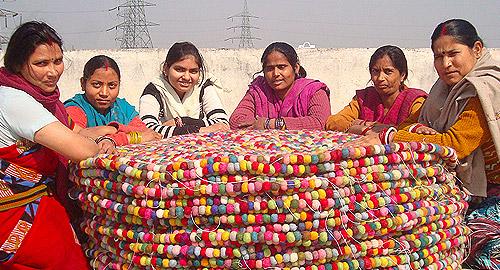
Sirohi,  a sustainable home & lifestyle luxury  brand that advocates a slow and simple lifestyle based on values of Indian heritage and culture. The products are handwoven by skilled women artisans that are made from waste & salvaged materially locally generated in their region. To make sustainable marketable products for a global buyer, these artisans are even  being connected with designers from all over the globe to help them understand modern design sensibilities.

Sirohi is being supported by Skilled Samaritan Foundation. The Foundation provides income opportunities to women from marginalised communities in India by recognising their existing craft skills and providing them ‘tech-based’ design support to make well designed products.

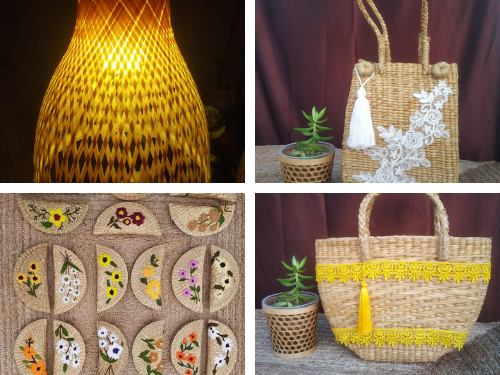
Sirohi’s vibrant festive range includes boxes, trays, baskets, home décor and furniture

  • diwali
  • diwali

“Opt for Sirohi’s handcrafted luxury that is festive, fun & functional!”

Contact :  www.sirohi.org, contact@skilledsamaritan.com or Whatsapp at +91 9310433994

October 29, 2021 0 comment
0 FacebookTwitterPinterestEmail
Earthum toothbrushes
AccessoriesProductsSustainable Startup Stories

A Sustainable Era Has To Begin, With ‘Earthum’ It Has

by Team Conscious Carma October 14, 2021
written by Team Conscious Carma

When it comes to keeping our environment clean and healthy, we lack awareness of it. Starting from using plastic straws to toothbrushes to cutlery to plastic bags we are harming the environment in every possible manner. Aquatic life is the one that is being hampered the most by our deeds. In helping and teaching us how to be effective and efficient in sustainable products, EARTHUM a brand that deals in sustainable products have come up in the market with an aim of bringing a change in society and our daily habitual products. 

“Back in 2019, the idea of Earthum came while brainstorming about a business idea where we can reform a product that is a huge pile-up in the garbage and can’t be reused or recycled or upcycled”,  Says Co-founder Tanishq Gupta.

Our mission and vision is to establish a brand that people could trust for good and sustainable products with hopes to bring a change towards the future of our coming generations. “In coming 5 years, we see our brand achieving the feat of bringing down the mountains of garbage all across the country by reducing the number of single-use plastic to our sustainable product line” Tanishq, adds. 

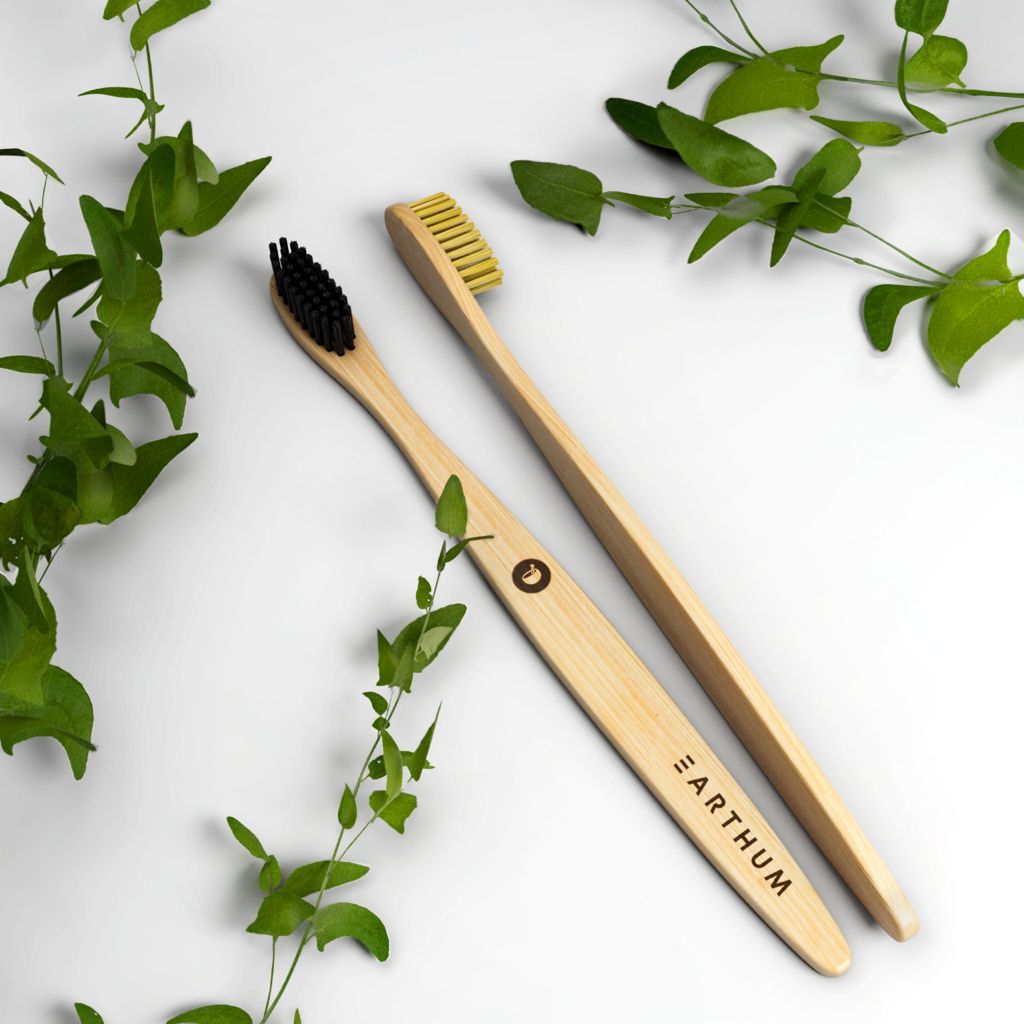
Earthum is bringing in products that are eco-friendly, biodegradable, and are naturally sourced. The top Flagship products the brand has already introduced to the market are Bamboo toothbrushes, which grows faster and doesn’t disturb the ecological balance; ToothABS, is a tablet which is a new form of toothpaste that helps in decreasing the use of plastic tubes and be minimal on non-recyclable products. 

The name of the brand EARTHUM itself tells you the vision which is EARTH + HUM = EARTHUM. We believe that earth is not our permanent asset, but our current liability and we should treat it the same way. We want to hand over a planet to the future generation for which they are thankful, clean air they can breathe in and the natural habitat they can enjoy in.

Earthum toothbrushes

We at Earthum also have been inculcated with the passion to bring a change to the regular brushing habits. Our first and foremost mission is to educate the youth of the country about the need for sustainable and organic replacements of already existing toxic substances in the shape of products. The second is to sell the product once they are educated and then to talk about the benefits of their product. We want to be selfless while educating them about the harmfulness and the need for replacement. Replacing the plastic toothpaste tube and adapting to new alternatives like, toothpaste tablets that contain no chemical ingredients and requires less water consumption pre brushing process is a brilliant step forward to sustainability. 

The market is still growing, and a number of new players are entering it with more innovation in the product line. As India is a country of millennials who are always keen and eager to find solutions to existing problems, we are here to do the same.

October 14, 2021 0 comment
0 FacebookTwitterPinterestEmail
ApparelSustainability

Niraa – a sustainable contemporary wear label

by Team Conscious Carma October 3, 2021
written by Team Conscious Carma

The Ideology

At the epitome of elegance and comfort, Niraa is a sustainable contemporary-wear label whose garments mirror the qualities borne by our Mother Earth. Handcrafted and hand-woven, Niraa aspires to stay true to its rich Indian heritage along with unveiling its subtly well designed and timeless attire. Chosen from a variety of ambient hues, these garments are an ultimate personification of relevance and utility. These minimal, classic drapes and clean cuts in handloom fabrics are nothing short of a luxury suited to seasons across the country and a solace against humid climates. They are prized by the efforts of artisans and their captivating crafts which have done justice to the Niraa label. Not only do these garments radiate exuberance, but have also been crafted in a sustainable environment, ensuring to revive the Indian handloom and various textiles of India. An evident selection of affection & ardour, dip into an incarnation of your ethereal- self adorning Niraa.

Niraa was created with an intention of shunning away the notions of having a perfect body and cherishing age-old traditional textile methods. Niraa makes anti-fit silhouettes, that fall beautifully on the bodies of all shapes and sizes without being clingy. Drafted on the softest and imperfectly unique natural fabrics, Niraa’s pieces are here to celebrate the perennial craftsmanship of the weavers. Each piece is unique in its inception, is sustainable, is created with love that’s handcrafted. These, one of a kind pieces can be cherished and worn delightfully even after 10 years.’ The part of nature that they are they will easily meet the nature as they came into being. These garments are a celebration of femininity of all shapes and sizes.

The struggles and the triumphs

“Being a woman owned start-up the struggles are inevitable and are many. We faced a challenge to sustain the start-up as there is a growing competition in the e-commerce world. It is not at all easy to build  trust and get sales but yes as time passes it is no more a struggle for us. It was difficult initially to be sustainable in terms of raw materials, as there were very few sustainable options available in the market to choose from, also the price points were high so to make an affordable product was taking either the customers from us or was not getting enough profit to us. The struggle with a small brand is to make a cost effective product as we don’t deal in bulk quantity. But we would say as the consumer is becoming more aware of sustainability and sustainable practices, the struggles are decreasing though not completely but we are hoping for a brighter future for sustainable start-ups”, says Jyoti Jain, fashion designer-stylist and the creative-head of NIRAA.

The passion

“While learning the nuances of fashion at the Pearl Academy, in the first three years of my fashion study, I knew little about my style, my forte, my talent. To put it in plain words, I just “learnt” what I was taught. We were encouraged to know  the crafts of India and do projects on them. While doing the projects little did I know that I would fall in love with Indian handloom and crafts and enjoy collecting as much information and skills as I could. My graduating collection was the turning point, I realised my love for weaving which till then was only in my sub-conscious mind.  My deep-never-ending love surfaced and desire to work in the Indian handloom, weaving and craft designing became even more ardent. And gradually I found that Indian textiles are becoming sustainable and thus I incorporated sustainability in my brand so I could do something for our planet and for our next generations. NIRAA is a product of my awareness of fashion and responsiveness towards the planet , my whole-hearted attempt to do something contemporary while keeping myself grounded deep to my heritage”, adds the passionate designer.

Availability : www.niraa.co

October 3, 2021 0 comment
0 FacebookTwitterPinterestEmail
inkpikle
ApparelSustainability

Inkpikle : Peserving country’s heritage of fabrics just like a homemade pickle

by Team Conscious Carma September 29, 2021
written by Team Conscious Carma

Inkpikle tastes much like itself – A homemade pickle, with a tangy quirky nostalgic flavour that preserves a century old Fabric khadi/hand spun.

Aathira Mannali, a NIFT graduate always wanted to create her own label and wanted to do it consciously. The label was conceptualized in 2016, however was inactive from 2018 to 2021 as Aathira was relocated to Dubai after wedding. Having worked as designer with  companies in Bangalore and Dubai before taking a 4 year sabbatical and finally returning to Indian to relaunch her brand alongwith her husband Rahul Mangalath, an MBA and an expert in financial operations and passionate about doing his own business.

Success Mantra   

 “It is not just green choices in the food we eat and the air we breathe but to make tiny changes in our wardrobe too”, says the duo. All the prints are signature prints designed in house by Aathira, who is constantly inspired from everyday mundane objects and also the places she has travelled and wishes to travel. While Aathira is the creative head Rahul takes the role of management marketing and finance for the Organization. They both are different but they have mutual respect and trust and they have fun doing this together.

The brand philosophy

Inkpikle  believes that plush could be slow and sustainable and that global can be homebound. We take pride in celebrating the handspun, one that creates zero carbon footprint, is so versatile andeco friendly. It  lends our clothes a certain charm and authentic character. Its irregularities and imperfections makes its beauty unmatched. Khadi is such a significant fabric from our heritage after all it won us freedom. It is the brand philosophy that we have to embrace Indian to make it global.

Our fabric is handspun and handwoven from skilled artisans across remote villages in West Bengal, Indiawhom we mutually benefit in enriching their ecosystems, strengthening their livelihood and improving our fastidiousness to research the textile. All our prints are designed in studio and printed by skilled craftsmen in Kerala, India. We believe  in simple silhouettes and thoughtful ethos of print.

We connect with people who cherish their clothes and find meaning in them. Somehow our lives have been conditioned to bring us back home with the flavour of the pickle, to  the air of saffron or the kolam patterns afresh as morning ragas.

We ink them all, all of these stories always muted but bold with an element of surprise. We have global plans and we take the Gandhian chic many miles forward.

Inkpikle’s latest collection of Sarees

The Inkpikle saree caters to any age group. As saree itself is so timeless and classic, Inkpikle wanted to experiment in this category and has now received an overwhelming response. The Inkpikle saree is never flashy but versatile. It is for your everyday and festive occasions ,effortlessly making a statement . Wearing an Inkpikle saree is almost like wearing a poem or wearing a mood. It surely is an escape. “Every saree tells has a story to say and the wearer truly is someone who has a distinct charm and cherishes our clothes”, adds the proud frounders.

  • inkpikle
  • inkpikle
  • inkpikle

Vision

Inkpikle has global plans. They aim at expansion and venturing into all apparel categories and lifestyle products.

Availability : Instagram inkpikle (website coming soon)

September 29, 2021 0 comment
0 FacebookTwitterPinterestEmail
sharda
IndustryProducts

Make in India : Indians making India proud

by Team Conscious Carma September 24, 2021
written by Team Conscious Carma

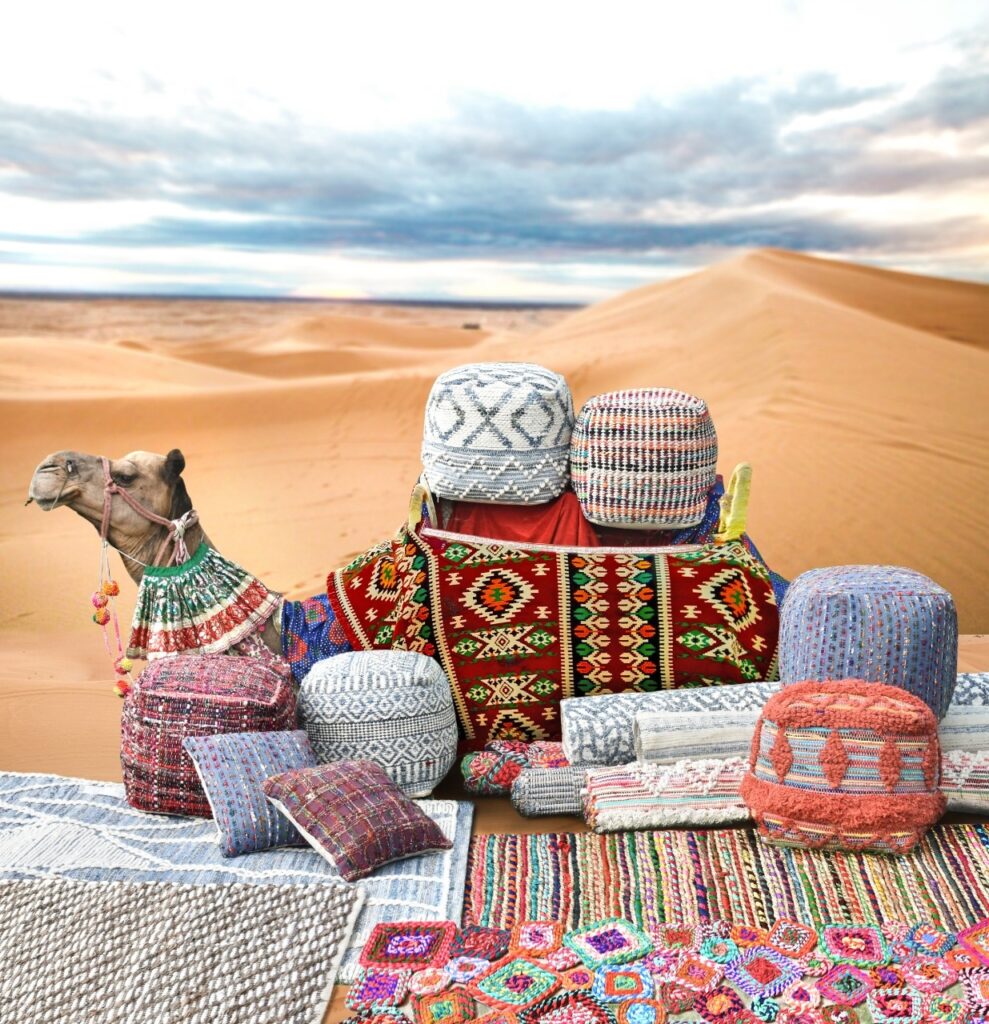
In the year 1983, entrepreneurs JK Gupta & Meenakshi Gupta started a small carpet making operation in Meerut, a small town 60 km north of Delhi.  Little did they knew that the unit, which they had set up in their garage with 6 weavers, will one day turn into an industry leader, directly or indirectly supportind around 5000 families and supplying rugs to more than 80 countries.  Today, Sharda Exports is well-known globally as a premier manufacturer & exporter of home fashion.

Conscious Carma magazine gets into a candid chat with Aditya Gupta

MD, Sharda Exports & The Rug Republic

Q1. Can you please share your journey in Sharda Exports and The Rug Republic.  When did you join your parents in business and what has been your contribution to the business thereafter.

The company was started in the mid 1980s by our parents. It started out as a couple weavers and some equipment in our home compound. My mother supervised the weavers while my father looked at the other aspects. My brother and I started to join the business towards the end of our college time. In 1992 we exhibited abroad (Germany, Domotex) and that began a wonderful journey that now extends over 90 countries. In 2013, The Rug Republic was created with the aim of enabling smaller retailers by removing MOQs per article and providing faster delivery times.

Q2. Both Sharda Exports & The Rug Republic are responsible and sustainable brands. Can you please comment on it

Sustainability & responsibility have been foundational blocks of our brands. We believe in not growing as a brand, but as an eco system which aims to uplift all around us. Sustainability is equally important to us, caring for the environment goes hand in hand in caring for the people who reside within it. And with the great design possibilities brought about by recycled materials, it’s almost a crime not to use them!

Q3. Sharda Exports won an award “Trend towards Veracity” at AIT-Trendscouting Heimtextile 2012 for innovative re-use of materials like flip-flops, jeans labels, carpet remains, old zip fasteners, etc.  How did this idea came. And are you working on any more innovations?

We’ve always been fascinated with alternate materials. Of course in soft furnishings, it is not all that easy to introduce new materials. The jean label thing was just an idea we were playing around with, we did not expect that rug to win so many accolades, but I’m thankful it did. Infact we were the first in the world to develop and manufacture carpets using waste leather. These days we are focusing a lot on PET yarn made from recycled plastic bottles. (trying to find pictures of that rug. will share asap)

Q4.What is the rank of Sharda Exports in the World’s leading Carpet Exporters. 

It is tough to give a definitive rank but I would like to think we are towards the top.

Q5. What are the USPs of Sharda Exports & The Rug Republic. How does it stand out among the competition

The design philosophy of both Sharda and TRR has been different from the very start. We use traditional techniques combined with design inspirations from all over the world (from the Taj Mahal to Ecuadorian villages) to create a truly global and avant garde collection that stands out among the crowd.

  • sharda
  • sharda

Q6. Future plans of Sharda Exports and The Rug republic

We are focusing on e-commerce a lot, both domestically and across the borders. We plan to keep stock in multiple locations across the globe to provide lightning fast delivery times for both our B2B and B2C clients.

Q7. How did the company take care of its employees during the pandemic

The pandemic was a tough time for all of us. We bought covid insurance for all our employees, implemented all sanitization and prevention protocols and have even reimbursed all pay cuts that took place due to office closure.

https://drive.google.com/drive/folders/1LEwuPYY4E2MDBSh5r_5ptDTuuJeZi4nL?usp=sharing

ECOLOGICAL MANUFACTURING


Sharda Exports is proud of its’ serious and ever growing focus on sustainable growth. Some of the green initiatives taken by them are listed below:

  • • Environmental Management System that starts with optimum usage of resources, particularly raw materials, water and energy; and includes effective management & control of wastes generated during the production process.
  • • Continuous development of innovative products using re-cycled materials like waste leather, fabric, rubber, ties, denims, jeans labels and even used sweaters.
  • • Development of products using different shades of natural yarn, avoiding dyeing altogether.
  • • Use of Sunlight for drying of carpets, thus saving on fossil fuels/ electricity.
  • • Installed two energy efficient Air Handling/ heating units with insulated chamber for carpet drying in foggy/ humid weather.
  • • Installed APFC’s (Automatic Power Factor Correction Panels) to maintain the power factor above 0.95 thus reducing power consumption.
  • • Daily monitoring and control of section-wise power consumption through sub-meters.
  • • Automatic Level Control System for prevention of overflow from overhead water tanks at all locations
  • • Installed a Carpet Wash Water Recycle System.
  • • Septic Tanks for treatment of domestic sewage water before disposal.
  • • Segregation of different types of waste at source for better recycle ability.
  • • Proper handling, storage, preservation and timely disposal of the waste materials/ empty containers to parties that re-use them in an environment friendly manner.
September 24, 2021 0 comment
0 FacebookTwitterPinterestEmail
AccessoriesProductsSustainable Startup Stories

Agrajain : a sustainable brand where every piece of fashion is a work of art

by Team Conscious Carma September 19, 2021
written by Team Conscious Carma

Designer Agraj Jain fell in love with sustainable fashion while participating for “The Kering award for Sustainable fashion”  during his final year of bachelors of Fashion Design Technology from University of the Arts London. “I proposed an idea of using a cruelty-free silk which is a Ahimsa Silk/‘Peace Silk’ which got invented in India only & is certified by the government. The entire journey of that competition was an eye opener for me because that’s when I realised that sustainability in fashion industry is way more than just recycling & reusing. The sustainability has to be present in each DNA of a fashion brand from production to marketing,  consumer awareness to environmental impact, selling of goods to sourcing one”, says the young designer hailing from city of Agra, India. 

Post graduation, he worked with Designer Sabyasachi Mukherjee as a Design Assistant and later started his fashion label ‘Agrajain’ in 2018. “Rather than making it just another sustainable label, we work more towards the luxury couture side of it. Our idea here was to propose the fact that sustainable fashion can also be glamorous, luxurious and fun rather than just being earthy & organic. We at Agrajain believe that every piece of fashion is also a work of art. Art, is a celebration of Life itself and we believe that it should not cause suffering to any living being, however small. Therefore we don’t use any animal skin, silks or leather materials. Our brand is committed to showcasing the best of couture yet in a sustainable and eco-friendly way”, adds the talented young designer.

Being in sustainable fashion, the biggest challenge we face is the mindset of consumers as they think that sustainable fabrics are rough textured, faded colours and sticky.  At Agrajain, our aim here is to give them the best quality fabric, and made in eco-friendly manner without any compromise on design and colour. Our clients are really surprised to witness that sustainable fashion can be cool & contemporary too.

In 2021, the label launched its first Indian wear collection for men & women. The collection has been made with a sustainable approach. They have used shaded dye technique which requires less water & energy loss. Along with that they have used non plastic cann cann skirts being developed by them with smart fabrics and techniques. It is 50% less in weight than usual market plastic cann cann, more comfortable more durable, easy to carry, easy to maintain, etc. Similarly, they have used many other different sustainable processes which makee the wholesome experience more positive & eco friendly. The collection is inspired by paintings of Mughal empire. 

SUSTAINABILITY & AGRAJAIN

MATERIAL  SUSTAINABILITY

Being a Jainist and a cruelty free brand, we don’t use any kind of skin, leather, fur or any material which requires an animal slaughtering or cause harm to any living being. As part of this approach, we use ‘Ahimsa silk or Peace silk’ which is a fabric that is created in the most humane manner possible. While normal silk is created by boiling millions of silk- worms to their death in order to create the ultimate fabric. In case of Peace silk, we wait while the silkworm has completed its natural life cycle to use the silk yarn which is used to create the ultimate fabric. We use different variants of this fabric which is woven beautifully and use it to create different looks and styles. This fabric portrays the philosophy behind our brand, which is to strengthen sustainable fashion and makes our clothes beautiful while celebrating life in all its forms. Along with ‘Peace Silk’, we also use other sustainable fabrics like ‘Khadi’, Organic Cotton, Natural dyed cambric fabric, Viscose, Cotton sheer fabric etc. 

UPCYCLING & RECYCLING

Up-cycling is one of the most important part of our studio where we recycle or use all the unwanted fabric scraps, kept aside during the production. We are in constant touch with different export houses and their vendors, who supplies us the good quality of excessive ordered or unused leftover embroidery yarns and threads. These threads have been intricately used in creating our iconic french knots embroidered menswear and womenswear ensemble.

TEXTILE SUSTAINABILITY

Hand Painting is the technique which is widely used in our textiles. It is one of the most hand made artistic technique. Also the water consumption in this technique is equivalent to nil as compared to other printing techniques. We have also started developing a new technique where we create high couture embroidered flowers & other elements using the waste scrap fabric.

 ZERO WASTE  PATTERN  CUTTING

We also use the technique of Zero waste Pattern cutting in our designs where there isn’t any kind of fabric waste during the production.

PACKAGING

We as a team follows an eco-friendly packaging guidelines in which we don’t use any kind of plastics. All our packaging tapes and stickers are made up of paper. The boxes we use are sustainable and are made from high quality up-cycled cardboard sheets.The threads we use in our tags are recycled thread yarn from rugs industry. And the thick muslin cloth we use for the outer packaging is also stiff and can be used again.

LESS  CARBON  FOOTPRINTS

All our goods are produced locally to help reducing carbon footprints.

Check more designs at www.agrajjain.com

September 19, 2021 0 comment
0 FacebookTwitterPinterestEmail
ProductsWellness

Sanfe : natural and environment conscious intimate hygiene and skincare products for women

by Team Conscious Carma September 18, 2021
written by Team Conscious Carma

At Sanfe, we take a sensible approach to self-care that’s body-positive, based on science, poured with natural ingredients, and environmentally conscious. Our products help women give their skin extra love and break out self-doubt by addressing the root cause of these issues with the natural ingredients formulation. We are catering to the unsaid and unheard needs of women like intimate skincare, body grooming, and daily hygiene. As You need care & love for the unseen. Because with Sanfe – It’s Safe!

Sanfe’s journey started with sustainable Intimate hygiene products like Stand and Pee, Bamboo Fibre Sanitary Napkins, Reusable Menstrual Cup etc. which evolved to intimate skincare. The products are designed keeping in mind to meet the consumer needs which doesn’t compromise nature and a sustainable future. We run a campaign #SanfeSustainableSwitch to educate users about sustainable living and how making a simple switch can be helpful for a better future. “It starts with a single move that you make towards nature, as a brand we are highly mindful at meeting consumer needs without compromising the quality and being mindful about the sustainable future via our products and intimate hygiene and lifestyle solutions.” Nalini Prasad, Sr. Brand Manager.

Some of Sanfe’s products include :

1)    Sanfe Reusable Menstrual Cup

Sanfe Menstrual cup is a sustainable choice for all. It is reusable for up to 10 years and can be recycled ensuring no harm to the planet. The cup is chemical-free, fragrance-free, and made of medical-grade silicone that is extremely safe. They are designed for long-term use and save cost. It comes with a breathable pink cotton pouch to ensure regular airflow when stored. It comes with a proper instruction manual to guide you on how to use it.

2)    Sanfe Stand And Pee

Sanfe’s Stand and Pee urinary device allow women to pee without squatting and having to make contact with the commode. The device opens up into a funnel so that women could stand and pee without the risk of UTI and other infections. It is also great for those with knee pain due to the strain of squatting and pregnant women.

It is made of biodegradable material, completely leak-proof, and easy to use. It is good for you and the environment.

3)    Sanfe Scented Panty Liners

Sanfe Scented Panty Liners, made of bamboo fiber, are specially designed with multi-layer absorption formula that can be used for everyday vaginal discharge, light menstrual blood flow, and light urinary incontinence. They are super thin, comfortable, and cause no rashes on the skin. These organic and disposable panty liners cause NO harm to your intimate areas or the environment.

4)     Sanfe Reusable Sanitary Pads

Sanfe reusable pads are a sustainable alternative to disposable plastic-based menstrual pads. Designed with True-Lock technology, they ensure hassle-free and comfortable periods that are both good for the environment and your pocket too! These reusable pads by Sanfe are soft and gentle on the skin to avoid any rashes or irritation that is common with disposable pads. They can be used for up to 12+ months. It is a sustainable and zero-waste product to cater to period care needs.

  • Sanfe Rash Free Bamboo Sanitary Pads

Sanfe Rash Free Bamboo Sanitary Pads are eco-friendly and free of any harmful chemicals, ingredients, and fragrances. Sanfe introduced an extensive range of organic sanitary pads for womxn to maintain their intimate health.

These organic padsare safe to use and designed to maintain good vaginal health. It doesn’t cause any irritation. Sanfe sanitary pads offeryou a 100% safe and worry-free period. The super hygienic and light-weighted pad keeps you healthy and comfortable even on a heavier flow day.

www.sanfe.in

September 18, 2021 0 comment
0 FacebookTwitterPinterestEmail
suta
Apparel

Suta : A sustainable and slow fashion brand

by Team Conscious Carma September 18, 2021
written by Team Conscious Carma

With female representation in leadership roles across various industries on the rise, one male-dominated field in specific which has hardly any female representation at the top is fashion. Women working within this proverbial boys’ club are trying to bring about a paradigm shift in order to foster a larger sense of inclusiveness and a balanced definition of sustainable and slow fashion. Sujata Biswas and Taniya Biswas are two such women who have lifted the veil while carving out her own niche in the field of fashion with their enterprise Suta.

An alumna of IIFT Delhi, Sujata always felt something was missing in her job. Whenever she went back to visit her parents, she came across a lot of traditional weavers with whom she used to end up chatting and they used to pour their hearts out about lack of work and menial wages. Their amazing skills were awe-inspiring but she came to know that their livelihoods were a question mark in many cases. These conversations were etched deeply in her heart and prodded her on to a path of working to improve the livelihood of these disempowered communities. Taking a plunge into an industry with no prior experience or knowledge was one of the biggest risks she took in her career. But what drove her to do the same was her passion and belief in the weavers and the urge to make a difference in the lives of many such communities across India. ‘The idea isn’t about working with a single weaver or a couple of weavers but adopting the entire family of weaver and empowering them. Thereby, making our own family bigger, one weaver at a time’, says Sujata Biswas. 

Taniya, an engineer from NIT Rourkela and IIM Lucknow post graduate, worked for almost three years with the Tata group and IBM. A voice within her drove her towards entrepreneurship and she took the bold step of listening to it. She calls herself an observer and loves to watch how everything in life is so beautifully intertwined with nature and the world around us. This kindled the creative streak in her to paint and to take photographs.  After quitting her cushy corporate jobs, she grappled with many ideas, even tried her hands at product photo-shoots, before realizing that her true potential was not in the pictures but in the products itself. “I had designed a few clothes and had posted them, but instead of getting requests for shoot we were asked about the products,” Taniya says. She found that her affinity for simple, minimalistic, nostalgic sarees that reminded her of a bygone decade, which were very rare to find in the market, was loved by people. What followed next was a quick pivot where she went on a hunt for the right fabric and skilled weavers across the nooks and crannies of rural India. The search took her to the remote villages of Madhya Pradesh; Meghalaya; the home of Banarasi sarees – Varanasi; Maniabandha in Odisha etc. There has been no turning back for her since then.

  • suta
  • suta

The sisters take pride in complementing each other’s skill-sets while having the same vision. From playing games in childhood, where they brought their cousins together to make products out of waste fabric and selling it on carts, to creating a Suta family today, theirs has been a heartwarming story. Suta is an extension of their strong intention to make a positive impact on the society and spread love and warmth to create a happy little world.

September 18, 2021 0 comment
0 FacebookTwitterPinterestEmail
Products

ABALONE : Natural handmade products

by Team Conscious Carma September 17, 2021
written by Team Conscious Carma

ABALONE journey started in 2015 by fashion designer Sristi.  With a deep knowledge in various natural fibers, weaving techniques and product designs and an indomitable spirit, Sristi inspired many to be a part of this journey. Today, there are many skilled tribal artisans who are inseparable part of ABALONE family. 

“Plastic debris is found absolutely everywhere, from the Arctic to Antarctica. It clogs street drains in our cities; it litters grounds and national parks, and is even piling up on Mount Everest. Plastics survive even the harshest conditions, such as floating around in a marine environment under blistering, unrelenting sunshine or frozen into Arctic ice for years to come”, says the conscious designer 

“Then there are side effects of industries. Most of the pollution on the planet can be traced back to industries of some kind. Industrial pollution takes on many faces. It contaminates several sources of drinking water, releases unwanted toxins into the air and reduces the quality of soil all over the world.

At the same time , cheap Chinese products are destroying Indian rural artisans and economy. Due to cheap prices, wide availability and huge profit dissemination to the dealers, China has become the second-largest export-focussed country in the world. There are many manufacturers in India that import cheap Chinese goods and then sell them under their own label”, she adds

Her concern towards the growing use of plastic, artificial toxic materials, industrial pollution and cheap Chinese products, encouraged her to launch Abalone, where they make products with Indian natural fibers which are alternatives to imported products from China, Indonesia etc. These natural products can replace plastic very easily and are durable, ecofriendly and sustainable. The natural fiber is beautiful to look at. It has an interesting grain that is both elegant and natural looking. While aesthetics are important for any quality product, they also have multiple benefits. 

Jute fabric presents a lot of benefits due to its wonderful property, pollution free environment and especially contributes to a sustainable development. This biodegradable material has a high moisture retention capacity and fire resistant properties too. It is usually used as geotextile. Kauna grass (water reed) is naturally resistant to insects and helps combat water pollution by absorbing toxic microorganisms and poisonous metals. Sabai grass is known for their flexibility and strength, the leaves are utilized for making ropes and other rope-based utility items. 

Sristi started working with local artisans who were in this business for generations. We provided further training and insights, and we gave them new product design and ideas. People also started liking our products. In ABALONE workshop, all natural and ecofriendly products are used, no toxic waste is generated. In our production process no harmful waste is released in the environment which is common in machine based production. We are supporting all local poor skilled craftsman and tribal people. 

Initially we struggled to educate people about various natural fibers, many people thought Jute and Water reed are same. We explained the difference between various natural fibers, their features and usability. We had to explain what are the difference between natural handmade products and machine made products and why price is different. People started appreciating our vision and our customers base also started growing slowly but steadily. 

Key features which separate ABALONE from other sellers in the market. 

????Highly customizable – order as per your space and requirements

????Product replacement if not satisfied with quality

????Request for your product making video

????Your health and your families health – built with safe, natural, ecofriendly materials

????Your mental wellbeing – sustainably made products positively impact your feelings of wellbeing

????Supporting sustainable business – supporting a local poor skilled craftsman, tribal people, 

????Reduced carbon footprint – all natural, ecofriendly products are used, no toxic waste is generated

????Sustainable fabric – jute, cane, grass, azo free dyes are used 

????Ethically made – All ABALONE artisans are business partners

????Reduced waste – no harmful waste is released in the environment which is common in machine based production. 

Contact : 6290744782 / 6291514742  Instagram :https://www.instagram.com/invites/contact/?i=14xv8s72kkohe&utm_content=lewbp6r

September 17, 2021 0 comment
0 FacebookTwitterPinterestEmail
Newer Posts
Older Posts

Recent Posts

  • India–UK Free Trade Agreement Opens Global Growth Opportunities for 3R ZeroWaste’s Circular Economy Solutions
  • Plastic Free July: Why True Sustainability Goes Beyond Swapping Plastic
  • From the Editor’s Desk: When Greed Takes Over Conscience
  • Beyond the Pose: Why Your Yoga Mat Needs a Sustainable Upgrade
  • Best Sustainable Father’s Day Gifts: Conscious Carma’s Exclusive Picks

Recent Comments

  • Team Conscious Carma on Label Shivika Agarwal – where craft meets sustainability
  • Cocomeister.jp on Label Shivika Agarwal – where craft meets sustainability
  • Team Conscious Carma on Equitable City Designs To Fight Climate Change
  • UN report calls for repurposing of USD 470 billion of agricultural support that distorts prices and steer us away from environment and social goals | Consciouscarma on UNEP & ICMR collaborate to boost understanding of environmental dimensions of antimicrobial resistance in India
  • Wild Earth : Natural body products | Consciouscarma on Sat.Suma : the true essence of flowers in your everyday skincare needs

Keep in touch

Facebook Twitter Instagram Youtube

Recent Posts

  • India–UK Free Trade Agreement Opens Global Growth Opportunities for 3R ZeroWaste’s Circular Economy Solutions

  • Plastic Free July: Why True Sustainability Goes Beyond Swapping Plastic

  • From the Editor’s Desk: When Greed Takes Over Conscience

  • Beyond the Pose: Why Your Yoga Mat Needs a Sustainable Upgrade

  • Best Sustainable Father’s Day Gifts: Conscious Carma’s Exclusive Picks

  • How Sacred Sound is Reshaping the Future of Holistic Health?

Categories

  • Community (38)
    • Campaigns (3)
  • CSR (4)
  • Economy (82)
    • Global (24)
    • Industry (42)
    • Innovations (4)
    • National (2)
  • Environment (48)
  • Expert Corner (48)
    • Authored Articles (47)
  • Featured (5)
    • Partners (1)
  • Global News (2)
  • Initiatives (31)
    • CSR (3)
    • Events (6)
  • Inspiration (22)
  • Lifestyle (9)
  • Media Coverage (6)
  • Press Releases (4,358)
  • Products (126)
    • Accessories (27)
    • Apparel (32)
    • Beauty (26)
    • Food (4)
    • Gifting (3)
    • Home Décor (15)
    • Skin-Care (14)
  • Reports (3)
  • Spirituality (10)
  • Sustainability (49)
  • Sustainable Startup Stories (28)
  • Travel (19)
  • Uncategorized (2)
  • Wellness (33)
    • Home Cleaners (3)

Archives

  • August 2026 (1)
  • July 2026 (1)
  • June 2026 (6)
  • October 2024 (1)
  • September 2024 (1)
  • July 2024 (2)
  • June 2024 (2)
  • May 2024 (1)
  • November 2023 (330)
  • October 2023 (554)
  • September 2023 (631)
  • August 2023 (718)
  • July 2023 (723)
  • June 2023 (710)
  • May 2023 (608)
  • April 2023 (114)
  • March 2023 (7)
  • February 2023 (3)
  • January 2023 (11)
  • December 2022 (18)
  • November 2022 (1)
  • August 2022 (6)
  • July 2022 (8)
  • June 2022 (24)
  • May 2022 (11)
  • April 2022 (19)
  • March 2022 (11)
  • February 2022 (11)
  • January 2022 (14)
  • December 2021 (10)
  • November 2021 (4)
  • October 2021 (14)
  • September 2021 (22)
  • August 2021 (12)
  • July 2021 (17)
  • June 2021 (17)
  • May 2021 (16)
  • April 2021 (22)
  • March 2021 (33)
  • February 2021 (16)
  • January 2021 (22)
  • December 2020 (10)
  • Facebook
  • Twitter
  • Instagram
  • Pinterest
  • Linkedin
  • Youtube

@2020 - All Right Reserved. Designed and Developed by Bizopser Technologies

Consciouscarma
  • Home
  • About Us
  • Products
  • Community
    • Campaigns
    • Inspiration
    • Initiatives
    • CSR
  • Features
    • Sustainable Startup Stories
    • Travel
    • Lifestyle
    • Partners
  • Economy
    • Industry
    • Innovations
    • National
    • Global
  • Environment
  • Expert Corner
    • Authored Articles
    • Reports
  • Magazine
  • Contact