Consciouscarma
  • Home
  • About Us
  • Products
  • Community
    • Campaigns
    • Inspiration
    • Initiatives
    • CSR
  • Features
    • Sustainable Startup Stories
    • Travel
    • Lifestyle
    • Partners
  • Economy
    • Industry
    • Innovations
    • National
    • Global
  • Environment
  • Expert Corner
    • Authored Articles
    • Reports
  • Magazine
  • Contact
Author

Team Conscious Carma

Team Conscious Carma

Authored ArticlesSpirituality

Holi night is the night of wish fulfillment and thought manifestation through mantra given by the Guru

by Team Conscious Carma March 13, 2022
written by Team Conscious Carma

Yogi Ashwini, Dhyan Ashram
Holi is the day when Holika, who had the boon to remain unscathed in fire, took Prahlad in her lap and sat in fire. Lord Vishnu came to Prahlad’s aid and as a result, Holika burnt while Prahlad remained unharmed. The stories from Puranas appear to be mythological tales to a layman as the incidents described in them often refer to things that seem supernatural or surreal, take for example, the power to remain unscathed in fire or the invocation of energy called Vishnu. Puranas are in fact chronicles of real events that occurred with our ancestors, who inhabited this planet many thousand years ago. These ancestors were not aliens or super-humans, they were humans like you and me, only they were able to tap into the phenomenal potential that a human being has. Majority of us, on the other hand, leave that force within us unused.

For most of us the world exists in these four dimensions, them being- length, breath, depth and time (time being measured as the distance between two thoughts). Everything that we see, touch, smell, taste or hear, we define it in these four dimensions. Those who have been doing the practices of yog and sanatan kriya at Dhyan Ashram for some time now might be able to describe a sixth or a seventh dimension also. What if I was to tell you, that there actually are sixteen dimensions in creation and that a human being is equipped to perceive all these 16 dimensions?

For most of us the world exists in these four dimensions, them being- length, breath, depth and time (time being measured as the distance between two thoughts). Everything that we see, touch, smell, taste or hear, we define it in these four dimensions. Those who have been doing the practices of yog and sanatan kriya at Dhyan Ashram for some time now might be able to describe a sixth or a seventh dimension also. What if I was to tell you, that there actually are sixteen dimensions in creation and that a human being is equipped to perceive all these 16 dimensions?

Majority of us spend our life and birth in the experiences of five basic senses which are enough to satiate our basic needs and desires. A human being however has a total of sixteen senses and awakening of these senses is known as siddhis in yog. Just as the world appears black to a blind person while a person who can see would describe it in colours and light, in the same way the world appears the way it does to us because of non-activation of these senses and a person in whom the 6th, 7th or 8th sense is active would describe it very differently.


When you close your eyes in dhyan, certain forms, shapes, smells, colours and sensations are revealed to you. Is it a play of mind or do those things actually exist? If it is a play of mind then how is it that those experiences are identical to the descriptions  found in our ancient texts and they happen to even those who have never seen those texts in their life? Definitely, not the play of mind. People who are into the practices see the their thoughts manifest in front of their eyes, which cannot be the play of mind. All those things exist in the ‘other’ dimensions and can be perceived through higher senses. Interacting with subtler energies like Lord Vishnu or controlling the fire element too are a function of the other senses.

There are certain days when the position of constellations is such that doors to other dimensions open and it is extremely easy to access them through mantras, kriyas and yagyas as prescribed by ones’s Guru. The night of holi is one of them. This night is extremely easy to access an aspect of the energy of the preserver. Mantras, which are codified, unmanifested forms of gods and goddesses, on this day develop the body and energy of respective gods and goddesses. Night of Holi is the night of wish fulfillment and manifestation of thoughts through mantra given by the Guru.

Yogi Ashwini of Dhyan Ashram can be reached at dhyanashram.ya@gmail.com


Special Holi Yagya at Dhyan Foundation centres worldwide on Thursday, 17 March.

To participate, register at
09318451205
www.dhyanfoundation.com

March 13, 2022 0 comment
0 FacebookTwitterPinterestEmail
Home Décor

Handcrafted Platter collection by ORVI & HOME Bespoke blend of artistic design and style

by Team Conscious Carma March 12, 2022
written by Team Conscious Carma

When upgrading your serveware, style and functionality must come first. Look no further than these serving platters, carefully handcrafted from eco-sustainable materials in exquisite designs, the intricately handcrafted pieces blur the lines between functionality and grandiose for luxury spaces. 

The platters are conceptualized from the tender nuances of everyday life, blending organic shapes and earthy tones, and adorned with environment-friendly materials and forms. A perfect union of indigenous materiality with ancient craft techniques & bold designs translates to a curated kaleidoscope of sustainable home pieces. The idea and the genesis of our objects encapsulate creative thinking, innovation & quality control, where each masterpiece tells an emotive story.

Crafted in fine Greek white marble and inlaid with a pristine Mother of Pearl Damask flower design, making it perfect for adding an artistic flair to your home. The deep richness of black limestone offers the perfect backdrop for a colorful array of food in these handcrafted serving platters. The geometrical contrast of the loose edged rectangle board and round scoop out works wonderfully, adding utility and aesthetics to your kitchen and home. Ornate Oleander flowers represent endless charm, and they stand out beautifully in the form of captivating brass inlay which is done by hand on this platter collection. From smoky cheeses to tart fruits, serve it all on this one-of-a-kind platter. Not just as a platter, use it as a Trinket tray to keep your precious earrings, rings, clips, broaches and accessories. Buy it for friends and family to create lasting memories of special occasions, or simply celebrate your weekends with a small feast on this luxurious platter.


Under the creative leadership of Sanjeev Agrawal, more than 60 skilled artisans use varied traditional craft techniques from across the world at Orvi including stone carving, hand sculpting, intricate metal inlay, stone–in–stone inlay, raku firing etc., to create bespoke & timeless home pieces as well as surfaces, using varied materials like natural stone, wood, metal, liquid metal, ceramics and glass. Orvi blends creativity with craftsmanship, technology with tradition, and western aesthetics with artisanal crafts from Asia and beyond. Above all, Orvi is driven by a vision that infuses the world’s finest crafts with the verve and vibrancy of contemporary design. So, revel in the brilliance of Orvi’s impeccable craftsmanship and artistry in this perfect assortment that celebrates refined living for modern homes.

Price: Price on request
Availability: https://www.orvi.com/


About Orvi

Orvi Surfaces is a brand known for creating innovative surfaces, with a fine blend of craftsmanship & technology. Working with more than 200+ in house artisans, Orvi uses varied traditional craft techniques from across the world including stone carving, hand sculpting, intricate metal inlay, stone –in-stone inlay, raku firing etc., to create bespoke & timeless surfaces using exquisite materials like natural stone, wood, metal, liquid metal, ceramics and glass. As a brand, the team at Orvi is always working towards creating innovative and uniquely beautiful surfaces for all parts of the building envelope; both for interior and exterior applications. At Orvi, bespoke services and projects are an integral part of our whole approach.


March 12, 2022 0 comment
0 FacebookTwitterPinterestEmail
ApparelProducts

Hanna Fiedler’s collection is all about Minimalist Luxury

by Team Conscious Carma March 8, 2022
written by Team Conscious Carma

The collection is driven by a Passion For Tailoring And Uncompromising Craftsmanship
Founded in 2018, Hanna Fiedler is a London-based womenswear brand that specializes in effortless and timeless pieces that equip women to feel empowered, free, and comfortable.

Working with a small-scale network of manufacturers across the UK, Hanna Fiedler merges traditional tailoring methods with a minimalist aesthetic to create high-quality garments whilst supporting local British craftmanship and working exclusively with natural fabrics including organic cotton, linen, silk, and wool.

Fiedler’s training as a bespoke tailor informs her designs and her appreciation for craftsmanship and quality. Her background in design and pattern cutting, her work with the Berlin Opera Foundation as well as her time at Gabriela Hearst and McQ Alexander McQueen have helped to cultivate and shape Fiedler’s taste for rich and refined fabrics and graceful silhouettes. 

“I call my collections chapters rather than seasons. Like chapters in a book, each collection ties in with the next one and like a book’s characters, my designs have a story to tell which goes beyond a short-lived appearance, they develop and keep having an impact on the story of the brand overall.” Founder and Creative Director, Hanna Fiedler

Following the incredible success of Fiedler’s first Harrods pop-up over the summer, the brand is thrilled to announce their residence at the iconic Burlington Arcade. In their new home, Fiedler will be offering made bespoke tailoring to order and special order, as well as the most recent collections for purchase.

Sustainability is at the heart of the Hanna Fiedler brand and the designer has been awarded the Eco-Age Brandmark in recognition of designing exclusively with natural materials and celebrating domestic production through working with local manufacturers. Fiedler is constantly striving to improve and seek solutions that allow the collections to be more responsible and ultimately have a positive impact on the industry and planet.

In line with the quest to minimise waste, the brand offers a select range of accessories, such as the Laura Bag, Alma Pochette and Anni Sleep-Mask that are crafted from hand-woven silk panels made using left over fabric scraps from the ready-to-wear collections. This technique allows for the reuse of even the smallest scraps of silk and drastically reduces fabric wastage.

The collections range from £125 – £2,695 and are available to buy at www.hannafiedler.com, Burlington Arcade and Harrods.

March 8, 2022 0 comment
0 FacebookTwitterPinterestEmail
ApparelProducts

The Importance of organic clothing for newborns and premature babies

by Team Conscious Carma March 7, 2022
written by Team Conscious Carma

The material we choose for our babies’ clothing has long-term repercussions on their health and wellbeing. And so, new parents should carefully pick up clothing for their little ones after checking what goes into the making of baby clothes. The market is flooded with baby clothes that are made of synthetic or blended fabrics which are laden with hazardous chemicals. As parents who want the safest and most comfortable clothing options for their precious little ones, organic cotton is a great choice. Apart from having a buttery soft feel, it is grown without the use of fertilisers or pesticides which makes it all-natural and the safest option for children across ages. If you are shopping for premature babies, keep in mind that newborn sizes do not equal to preemie sizes. In fact, a small difference of a few centimeters often makes all the difference. Many kids clothing brands cater specifically to premature babies, so make sure to check the label before making a purchase. Also, study the size chart, and look out for criteria such as height, weight, and gestation age.

If you’re in the process of filling your baby shopping cart, the first thing you need to think about is the safety and comfort of your baby and convenience for yourself.

Safety First

Premature babies have incredibly sensitive skin that can easily absorb substances that it comes in contact with thereby making them vulnerable to health concerns. And so, the clothes they wear matter! Organic cotton clothing is the perfect safe harbour for your delicate darling. It is soft, light, breathable, and free of toxins which makes it 100% safe for your little one. Look for a credible certification like GOTS (Global Organic Textile Standard) which guarantees the authenticity of an organic garment.  After all, when babies are safe, moms are truly satisfied.

Comfort Counts

The most important factor when it comes to comfort is the softness of the material. All baby clothes should feel soft, comfortable, and breathable against the delicate skin of your little bundle of joy. Organic cotton is also the perfect choice for Indian weather conditions.

Easy Peasy Styles

Baby clothes should be designed for the comfort of babies and the convenience of moms. Practical and functional styles that not only look cute but also solve for easy diaper changes and growth spurts in babies should be a must-have for new parents. While choosing clothes for babies, always opt for silhouettes that offer ease of wear.

Durable & Longlasting

Babies need multiple outfit changes in a day. Baby clothes that are easy to maintain are a must-have for all moms.  Opt for garments that are machine washable and look as good as new wash after wash. Long lasting clothes are a more sustainable option since they can be passed on to others for repeat wear.

In addition to the above benefits, choosing certified organic cotton is great for the environment too. It is 100% natural, biodegradable, and has a positive impact on people and the planet. Always buy less, choose the best quality, and make it last by leaving nothing except pure goodness on your baby’s gentle skin.

Meghna Kishore & Barkha Bhatnagar Das, Founders, Greendigo. A female-founded, female-led company, Greendigo creates beautiful, practical products for kids that are manufactured sustainably and ethically.

March 7, 2022 0 comment
0 FacebookTwitterPinterestEmail
CSR

MediBuddy contributes 14 Crores for Incubation Cell at IIT Madras

by Team Conscious Carma March 4, 2022
written by Team Conscious Carma

Founders of MediBuddy, Satish Kannan and Enbasekar were among the first incubate of IIT Madras.  Today, being India’s largest digital healthcare platform, MediBuddy is  giving back to their alma mater by contributing Rs. 14 crores to the growth of the Indian Institute of Technology Madras’ (IIT-M) Incubation Cell.

Having recently raised $ 125 million in Series C funding, their startup journey began in 2013 at the IIT-M institute with a modest funding of Rs 5 lakhs. Headquartered in Bangalore with offices in 20+ cities in the country, MediBuddy is India’s leading on-demand, full-stack digital healthcare platform that helps patients access multiple healthcare services. It helps its users consult specialist doctors, order medicines and book lab tests from the comfort of their homes.

It’s worth noting that Satish and Enba’s startup was the first of its kind to graduate from the IITM Incubation Cell. More examples like this are likely to emerge as India’s startup ecosystem grows by leaps and bounds.

As of today, IIT-M Incubation Cell has paved the way for over 250+ startups with an aim to create an environment for budding entrepreneurs. It also provides them with the necessary support to survive and grow in a competitive market that we have today.

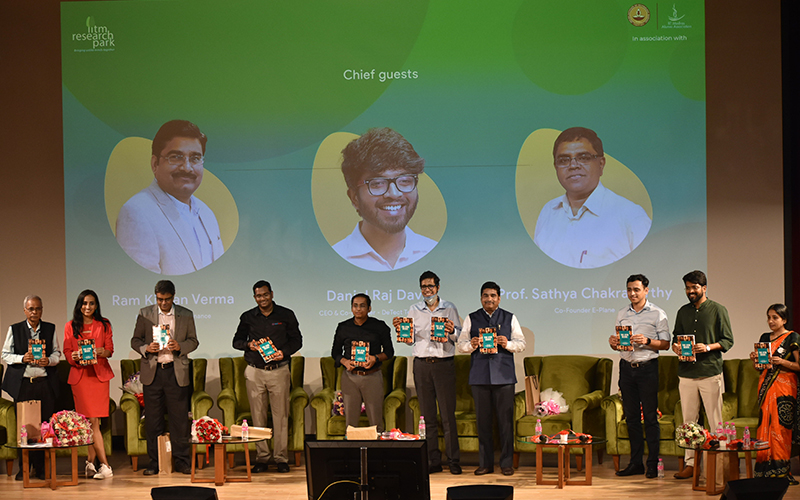
The founders were invited as  honorary guests at the IIT-M Nexus Book launch event, featuring the success stories of the various alumni, including Satish Kannan, and their achievements in respective fields. The launch was then followed by a panel discussion with the featured alumni.

Commenting on the same, Professor Ashok Jhunjhunwala, President, IIT Madras Incubation Cell (IITMIC) and IIT Madras Research Park (IITMRP), said,“We are so proud of Satish and Enbasekar for their journey. We are happy to have supported them during their initial days. Their company, MediBuddy has ensured timely healthcare services to millions of Indians across the country. Their success would help foster more innovative startups and budding entrepreneurs find their footing.”

Commenting on the recent initiative undertaken by the brand, Mr. Satish Kannan, Co-founder & CEO, MediBuddy, said, “When all we had was an idea, IIT-M acknowledged the power nestled within it. The initial 5 lakh rupees that was given by IIT Madras truly helped us get started. Today, we are happy that we at MediBuddy are helping a lot of patients across the nation, and we are also able to express our gratitude to IIT with Rs 14 crores. This capital, I believe will help at least 250 more startups like us realise their dreams. All of them would also get the resources and guidance to build great companies. We are delighted that we are able to pay it forward today!”

Commenting on the same, Enbasekar, Co-founder and CTO, MediBuddy, said, “It is an absolute honour and privilege to be recognised by our alma mater. IITM will always have a special place in our hearts because it was instrumental in helping us build our company from the ground-up. This is a proud moment for us, and we hope that this inspires more individuals to startup and wish that the IIT-M Incubation cell continues to help more startups to grow and thrive.”

MediBuddy, which is at the forefront of India’s digital healthcare transformation was instrumental in helping several millions with their healthcare needs during the Covid-19 pandemic by providing 24×7 online specialist doctor consultations, home delivery of medicines, covid tests at home, Covid vaccination camps, home isolation support among other services.

MediBuddy aims to provide every Indian household with the finest healthcare system for not just a better tomorrow but also a healthier one.

March 4, 2022 0 comment
0 FacebookTwitterPinterestEmail
Home DécorProducts

TRUNKIN’ introduces Tribal kitchenware Collection

by Team Conscious Carma February 26, 2022
written by Team Conscious Carma

 TRUNKIN’ an initiative to support the local artisans and craftsmen has recently launched their tribal kitchenware and ceramic collection. The collection comprises the Ceramic and Trays and Chopping boards in the serve ware category apart from White Wood and Dark wood collection from the Kani and  Gondi tribes respectively.

The spring Ceramic Collection

During the second wave that this country endeared, the artisans who dealt with ceramic and production of ceramic goods were left in dire straits. Khurja, aka The Ceramics City is the cluster of Artisans which has been contributing to the legacy of Indian handicrafts for generations. Material clay is one of the fundamental ingredients to this pottery and industrial oxygen is what binds the entire piece of art together. It was thus that giving them the support at the time of  need, became Trunkin’s foremost aim. Having already shipped this stock to its US counterpart is now launching the same in India. Once again in tribute and ode to those who keep the identity of this country going, it’s our time to give back. 

 The ceramic collection from Trunkin’ is apt for a spring get-togethers and parties. The lovely colours and designs go well with the colourful spring season. 

Wood based Serveware Collection – Trays & Chopping

Their collection of Mango wood is based out of their cluster of artisans from the province of Saharanpur. It is Trunkin’s very own tribute to the forest dwellers who reside near the forests, live on them, and are also responsible for their preservation. These unsung heroes have contributed immensely to Indian handicrafts and it is thus our dark wood or ebony based finish of products is named the Gondi Collection and Satinwood (white finish) is called the Kani Collection. Both names of tribes who procure and curate their relative share of wood.

Kani Tribe (White Wood Collection)

 The people of the Kani Tribe reside in Agasthyamalai hills of Tamil Nadu. They use and thrive on the leaves of the C. Swietenia, the tree that in the commercial world is called Satinwood. Trunkin being a concept that arose to serve and provide for the sustainability of the artisans of India, dedicates its collection to the masters of preservation of wood. The forest dwellers that have taken form as the messiahs of wood and have gone unnoticed doing the same.

Gondi Collection (Dark Wood Collection)

The Gond tribe residing in the interior of the Deccan peninsula of India is one of the most populous of all tribes in South Asia, they’re known for the use of black magic and witchcraft. However, another of their primary functions is the use of  Tendu leaves (Ebony). They use it for their economic well-being as they are skilled in the Art of wooden cravings. The reason for this tribute is because ebony authentically has a dark finish associated with its produce, which is why this particular collection of Artisans curation is being named the same.

Availability –

Amazon (India and USA Store), Meesho, and LBB

Website – https://trunkin.in/

February 26, 2022 0 comment
0 FacebookTwitterPinterestEmail
Environment

Experts warn of rise in number of wildfires, upto 50% by 2100

by Team Conscious Carma February 24, 2022
written by Team Conscious Carma

Governments, all over the world are called to radically shift their spending on wildfires, from investing in reaction and response to prevention and preparedness. As even the Arctic, previously all but immune, faces rising wildfire risk, experts say ahead of the UN Environment Assembly in Nairobi. 

According to a new report by the UN Environment Programme (UNEP) and GRID-Arendal, climate change and land-use change are projected to make wildfires more frequent and intense, with a global increase of extreme fires of up to 14 per cent by 2030, 30 per cent by the end of 2050 and 50 per cent by the end of the century,  

The report, Spreading like Wildfire: The Rising Threat of Extraordinary Landscape Fires, finds an elevated risk even for the Arctic and other regions previously unaffected by wildfires. The report is released before the resumed 5th session of the UN Environment Assembly (UNEA-5.2) convenes in Nairobi, between 28 February and 2 March, 2022. 

The publication calls on governments to adopt a new ‘Fire Ready Formula’, with two-thirds of spending devoted to planning, prevention, preparedness, and recovery, with one third left for response. Currently, direct responses to wildfires typically receive over half of related expenditures, while planning receives less than one per cent. 

To prevent fires, authors call for a combination of data and science-based monitoring systems with indigenous knowledge and for a stronger regional and international cooperation. 

“Current government responses to wildfires are often putting money in the wrong place. Those emergency service workers and firefighters on the frontlines who are risking their lives to fight forest wildfires need to be supported”, said Inger Andersen, UNEP Executive Director. “We have to minimize the risk of extreme wildfires by being better prepared: invest more in fire risk reduction, work with local communities, and strengthen global commitment to fight climate change”. 

Wildfires disproportionately affect the world’s poorest nations. With an impact that extends for days, weeks and even years after the flames subside, they impede progress towards the UN Sustainable Development Goals and deepen social inequalities:

  • People’s health is directly affected by inhaling wildfire smoke, causing respiratory and cardiovascular impacts and increased health effects for the most vulnerable;
  • The economic costs of rebuilding after areas are struck by wildfires can be beyond the means of low-income countries;

·      Watersheds are degraded by wildfires’ pollutants; they also can lead to soil erosion causing more problems for waterways;

·      Wastes left behind are often highly contaminated and require appropriate disposal.

Wildfires and climate change are mutually exacerbating. Wildfires are made worse by climate change through increased drought, high air temperatures, low relative humidity, lightning, and strong winds resulting in hotter, drier, and longer fire seasons. At the same time, climate change is made worse by wildfires, mostly by ravaging sensitive and carbon-rich ecosystems like peatlands and rainforests. This turns landscapes into tinderboxes, making it harder to halt rising temperatures.

Wildlife and its natural habitats are rarely spared from wildfires, pushing some animal and plant species closer to extinction. A recent example is the Australian 2020 bushfires, which are estimated to have wiped out billions of domesticated and wild animals. 

There is a critical need to better understand the behaviour of wildfires. Achieving and sustaining adaptive land and fire management requires a combination of policies, a legal framework and incentives that encourage appropriate land and fire use.

The restoration of ecosystems is an important avenue to mitigate the risk of wildfires before they occur and to build back better in their aftermath. Wetlands restoration and the reintroduction of species such as beavers, peatlands restoration, building at a distance from vegetation and preserving open space buffers are some examples of the essential investments into prevention, preparedness and recovery.

The report concludes with a call for stronger international standards for the safety and health of firefighters and for minimising the risks that they face before, during and after operations. This includes raising awareness of the risks of smoke inhalation, minimising the potential for life-threatening entrapments, and providing firefighters with access to adequate hydration, nutrition, rest, and recovery between shifts. 

The report was commissioned in support of UNREDD and the UN Decade on Ecosystem Restoration. UNEP will be exploring how further investments can be made to reduce fire risks in critical ecosystems around the world.

About GRID-Arendal

GRID-Arendal is a non-profit environmental communications centre based in Norway. We transform environmental data into innovative, science-based information products and provide capacity-building services that enable better environmental governance. We aim to inform and activate a global audience and motivate decision-makers to effect positive change. GRID-Arendal collaborates with the United Nations Environment Programme and other partners around the world.

About the UN Decade on Ecosystem Restoration

The UN Decade on Ecosystem Restoration 2021-2030 is a rallying call for the protection and revival of ecosystems all around the world, for the benefit of people and nature. It aims to halt the degradation of ecosystems, and restore them to achieve global goals. The United Nations General Assembly has proclaimed the UN Decade and it is led by the United Nations Environment Programme and the Food and Agriculture Organization of the United Nations. The UN Decade is building a strong, broad-based global movement to ramp up restoration and put the world on track for a sustainable future. That will include building political momentum for restoration as well as thousands of initiatives on the ground.

UNEP@50: A time to reflect on the past and envision the future

The 1972 United Nations Conference on the Human Environment in Stockholm, Sweden, was the first-ever UN conference with the word “environment” in its title. The creation of the UN Environment Programme (UNEP) was one of the most visible outcomes of this conference of many firsts. UNEP was created quite simply to be the environmental conscience of the UN and the world. Activities taking place through 2022 will look at significant progress made as well as what’s ahead in decades to come.

About the UN Environment Programme (UNEP)

UNEP is the leading global voice on the environment. It provides leadership and encourages partnership in caring for the environment by inspiring, informing and enabling nations and peoples to improve their quality of life without compromising that of future generations.

February 24, 2022 0 comment
0 FacebookTwitterPinterestEmail
CSR

Jaro Education announces “I Wish to Make a Difference” an education initiative to support over 1000 underprivileged children Introduces an education initiative as part of annual CSR activity

by Team Conscious Carma February 23, 2022
written by Team Conscious Carma

Jaro Education, an executive education focused edtech company, announced an education initiative – ‘I Wish to Make a Difference’ as part of its annual CSR activity. The company will partner with over a hundred orphanages across India to support the academic needs of more than a thousand children. The company will fund the tuition fee and other education-related expenditures for these children.

The initiative was kick-started by collaborating with Sneha Sadan, a Mumbai-based Orphanage. As part of the initiative, Jaro Education will also provide Smart TVs in each orphanage with an annual subscription of Toppscholars, an AI-based smart learning app for K-12 students, which will help in strengthening the academic performance of these students.

Speaking about the CSR initiative, Ms Ranjita Raman, Chief Executive Officer at Jaro Education, said, “As an organisation, we strongly believe in giving back to society. We want to empower underprivileged students by supporting their educational journey. Jaro Education aims to reinforce and uplift the downtrodden and underprivileged by helping them seek high quality and tech-driven education. The education initiative ‘I Wish to Make a Difference’ will be the needle-mover towards shaping India’s $5 trillion economy dream. Jaro Education will continue to stay firmly committed, accountable and lend a helping hand to those in need.”

Ms Raman further added, “Even employees at Jaro have provided extra efforts to go above and beyond their duty; generously donating a certain amount to make the world a better place”.

Jaro Education has actively contributed to social activities through book donation drives, providing funds to orphanages and old age homes in the past few years. Recently, Jaro Education also announced a global partnership with Deakin University and KPMG for Future Leaders Program. With its strong domain expertise and industry-relevant upskilling programs, Jaro Education has transformed the careers of over 3 lakh working professionals across diverse domains.

February 23, 2022 0 comment
0 FacebookTwitterPinterestEmail
Environment

Deadly wildfires, noise pollution, and disruptive timing of life cycles:UN report identifies looming environmental threats

by Team Conscious Carma February 18, 2022
written by Team Conscious Carma

Wildfires are burning more severely and more often, urban noise pollution is growing into a global public health menace, and phenological mismatches – disruptions in the timing of life-cycle stages in natural systems – are causing ecological consequences. These critical environmental issues, requiring greater attention, are highlighted in the new Frontiers Report published on Feb 17th at Nairobi,  by the UN Environment Programme (UNEP).

This is the fourth edition of the Frontiers Report, which was first published in 2016 with an alert to the growing risk of zoonotic diseases, four years before the outbreak of the COVID-19 pandemic.

“The Frontiers Report identifies and offers solutions to three environmental issues that merit attention and action from governments and the public at large,” said Inger Andersen, Executive Director of UNEP. “Urban noise pollution, wildfires and phenological shifts – the three topics of this Frontiers report – are issues that highlight the urgent need to address the triple planetary crisis of climate change, pollution and biodiversity loss.”

The latest edition of the Frontiers report, Noise, Blazes and Mismatches: Emerging Issues of Environmental Concern, is released days before the resumed fifth session of the UN Environment Assembly (UNEA):

Noise pollution in cities is a growing hazard to public health

  • Unwanted, prolonged and high-level sounds from road traffic, railways, or leisure activities impair human health and well-being. This includes chronic annoyance and sleep disturbance, resulting in severe heart diseases and metabolic disorders such as diabetes, hearing impairment, and poorer mental health.
  • Noise pollution already leads to 12,000 premature deaths each year in the EU and affects one in five EU citizens. Acceptable noise levels are surpassed in many cities worldwide, including Algiers, Bangkok, Damascus, Dhaka, Ho Chi Minh City Ibadan, Islamabad and New York.
  • Particularly affected are the very young, the elderly and marginalized communities near high traffic roads, and industrial areas and far from green spaces.
  • It is also a threat to animals, altering communications and the behaviour of various species, including birds, insects, and amphibians.
  • At the same time, natural sounds can offer diverse health benefits. Urban planners should prioritize the reduction of noise at the source; investments in alternative mobility; and urban infrastructure that creates positive soundscapes such as tree belts, green walls, green roofs, and more green spaces in cities.
  • Positive examples include London’s Ultra-Low Emission Zone, Berlin’s new cycle lanes on wide roads, and Egypt’s national plan to combat noise.
  • COVID-19 lockdowns brought a new appreciation for green spaces and the reduction of urban traffic noise. Programmes meant to ‘build back better’ represent an under-utilized opportunity for policymakers, urban planners and communities to create additional green spaces for all.

Dangerous wildfire weather is projected to get worse

  • Each year, between 2002 and 2016, an average of about 423 million hectares or 4.23 million square km of the Earth’s land surface – an area about the size of the entire European Union – burned, becoming more common in mixed forest and savannah ecosystems. An estimated 67% of the annual global area burned by all types of fires, including wildfires, was on the African continent.
  • Dangerous wildfire weather conditions are projected to become more frequent and intense and to last longer, including in areas previously unaffected by fires. Extremely intense wildfires can trigger thunderstorms in smoke flumes that aggravate fires through erratic wind speeds and generate lightning that ignites other fires far beyond the fire front, a hazardous feedback loop.
  • This is due to climate change, including hotter temperatures and drier conditions with more frequent droughts. Land-use change is another risk factor, including commercial logging and deforestation for farms, grazing land, and expanding cities. A further cause for the proliferation of wildfires is the aggressive suppression of natural fire, which is essential in some natural systems to limit the amounts of combustible material, and inappropriate fire management policies that exclude traditional fire management practices and indigenous knowledge.
  • Long-term effects on human health extend beyond those fighting wildfires, evacuated, or suffering losses. Smoke and particulate matter from wildfires deliver significant consequences for health in downwind settlements, sometimes thousands of kilometres from the source, with impacts often exacerbated among those with pre-existing illness, women, children, the elderly and the poor. Changes in fire regimes are also expected to lead to massive biodiversity loss, endangering over 4,400 terrestrial and freshwater species.
  • Wildfires generate black carbon and other pollutants that can pollute water sources, enhance the melting of glaciers, cause landslides and large-scale algal blooms in oceans, and turn carbon sinks such as rainforests into carbon sources.
  • The report calls for greater investment in reducing the risks of wildfires; development of prevention and response management approaches that include vulnerable, rural, traditional and indigenous communities; and further refinements in remote sensing capabilities, such as satellites, radar and lightning detection.

Climate change disrupts natural rhythms in plants and animals

  • Phenology is the timing of recurring life cycle stages, driven by environmental forces, and how, within an ecosystem, interacting species respond to the changing conditions. Plants and animals in terrestrial, aquatic and marine ecosystems use temperature, day-length or rainfall as cues for when to unfold leaf, flower, bear fruit, breed, nestle, pollinate, migrate or transform in other ways.
  • Phenological shifts occur when species shift the timing of life cycle stages in response to changing environmental conditions altered by climate change. The concern is that interacting species in an ecosystem do not always shift the timing in the same direction or at the same rate.
  • These phenological shifts are increasingly disturbed by climate change, pushing plants and animals out of synch with their natural rhythms and leading to mismatches, such as when plants shift life cycle stages faster than herbivores.
  • Long-distance migrants are particularly vulnerable to phenological change. Local climatic cues that normally trigger migration may no longer accurately predict conditions at their destination and resting sites along the route.
  • Phenological shifts in crops in response to seasonal variations will be challenging for food production in the face of climate change.  Shifts in the phenology of commercially important marine species and their prey have significant consequences for stock and fisheries productivity.  
  • The full impacts of phenological mismatches require further research. Maintaining suitable habitats and ecological connectivity, strengthening the integrity of biological diversity, coordinating international efforts along migratory routes, supporting resilience and maintaining genetic variation within species are crucial conservation goals. Above all, limiting the rate of warming by reducing CO2 emissions is essential.

About the UN Environment Assembly (UNEA)

UNEA is the world’s most powerful decision-making body on the environment, and responsible for tackling some of the most critical issues of our time. This year, hundreds of key decision makers, businesses and representatives of intergovernmental organizations and civil society will gather for the second part of UNEA-5, taking place at the UN Environment Programme Headquarters in Nairobi.

About the UN Environment Programme (UNEP)

UNEP is the leading global voice on the environment. It provides leadership and encourages partnership in caring for the environment by inspiring, informing and enabling nations and peoples to improve their quality of life without compromising that of future generations.

UNEP@50: A time to reflect on the past and envision the future

The 1972 United Nations Conference on the Human Environment in Stockholm, Sweden, was the first-ever UN conference with the word “environment” in its title. The creation of the UN Environment Programme (UNEP) was one of the most visible outcomes of this conference of many firsts. UNEP was created quite simply to be the environmental conscience of the UN and the world. Activities taking place through 2022 will look at the significant progress made as well as what’s ahead in decades to come.

February 18, 2022 0 comment
0 FacebookTwitterPinterestEmail
Sustainable Startup Stories

What’s in store for plant based industry in 2022?

by Team Conscious Carma February 17, 2022
written by Team Conscious Carma
Kunal Mutha, Founder, Only Earth

The ongoing pandemic has spurred a renewed focus on health and well-being among the consumer in India. Growing focus on sustainability, climate change and animal welfare are driving consumers to adopt a healthier lifestyle through plant based alternatives. Today’s consumer is educated and open to exploring food choices , want to understand where their protein comes from and want to feel good about what they eat.

Once considered as a trend, this plant-based movement now indicates a significant shift from being just a trend to becoming a way of life. Today’s consumers are educating themselves about health, food choices, sustainability, the health of the planet at large, and animal welfare and environmental footprint—all things that help drive the plant-based world. The COVID-19 pandemic had a huge impact and put what was already a floating market into overdrive. This pandemic has spurred a renewed focus on health and well-being, inspiring many people to explore adding more plant-based ingredients into their diets.

With people now looking consciously at alternatives, whether it is driven by thoughts of clean eating or contributing to help the environment, the time is right to offer more options for a balanced diet as consumers take an interest in the source of their food and drinks to be able to make informed decisions.

In today’s time vegan startups are ripe for growth especially after the pandemic has exposed the dark side of animal agriculture and reminded us of the importance of being healthy and fit. Globally it is accepted that the growth of a plant-based diet is important for not just for health and animal welfare but also to save the planet from climate change. Animal agriculture is the second largest contributor to greenhouse gas emissions after fossil fuels. It is also the leading cause of deforestation, water and air pollution and biodiversity loss.

It is not surprising then that Veganism has come a long way from existing as a micro-trend in the fringes to becoming a widely accepted mainstream movement. An essential part of what makes veganism so relevant today is our renewed focus on health. Any fitness enthusiast will tell you that what you put in your body is more important than the number of hours you put into your workout. The older generation didn’t have six pack abs to flaunt. The next generation however, strive to be fitter than ever which creates part of a large opportunity that vegan startups are well positioned to ride.

To make plant based food and beverage mainstream in India, we need to consider the eating habits of the consumer and provide greater choice and diversity without compromising on taste and experiences. In order to that we also need to mimic the local non-vegan or animal based products and give consumer the choice/freedom to make a shift to a vegan version of the product they were used to.

Simultaneously, we need to focus on 3 vital foundation for any food choice; that are taste, cost, and convenience.

Fundamentally, our food choice must first meet required needs for taste, affordability, and ease of purchase and preparation for the majority of consumers to consider it. Awareness is an important purchasing driver for unique food products, such as plant-based meat. If these three core drivers are met, consumers then have the opportunity to include their higher values into their food choices. Depending on consumer segment, these values include health, sustainability, or animal welfare.

What is in store for 2022?

The demand for vegan-based food is growing rapidly and exponentially and will continue from hereon. This year will also see vegan market grow even further. Whilst almost all types of food are available in vegan form these days like vegan-meat, vegan-milk, there are still some areas that need further research and development, such as cheese and protein based vegetables alternatives. Potato as a category has also made an appearance in plant-based milk apart from soy, almond and oats.

Extracting proteins from vegetables are also being eyed up for the plant-based protein market. Similarly, protein components like tofu, soy and beans are widely used as the main proteins in plant-based meat.

Plant-based baked goods are seeing a huge growth. With consumers’ love for sweets and baked goods, this market will continue to nurture in 2022, with more products and brands being launched on the market.

The potential for new ventures that cater to veganism is immense because of the growing interest in plant-based food, a huge influx of capital and the promise of scalability. Veganism has something to offer to everyone; be it impact for activists, wealth creation for investors or nutritious food for consumers. 

About Only Earth : Only Earth is a brand of vegan, plant-based beverages, initiated to help people make conscious consumption choices. Started by Kunal Mutha the company is based out of Singapore and the beverages are manufactured in Thailand and Sri Lanka. The sole vision is to help people eat right for a better tomorrow.

February 17, 2022 0 comment
0 FacebookTwitterPinterestEmail
Newer Posts
Older Posts

Recent Posts

  • India–UK Free Trade Agreement Opens Global Growth Opportunities for 3R ZeroWaste’s Circular Economy Solutions
  • Plastic Free July: Why True Sustainability Goes Beyond Swapping Plastic
  • From the Editor’s Desk: When Greed Takes Over Conscience
  • Beyond the Pose: Why Your Yoga Mat Needs a Sustainable Upgrade
  • Best Sustainable Father’s Day Gifts: Conscious Carma’s Exclusive Picks

Recent Comments

  • Team Conscious Carma on Label Shivika Agarwal – where craft meets sustainability
  • Cocomeister.jp on Label Shivika Agarwal – where craft meets sustainability
  • Team Conscious Carma on Equitable City Designs To Fight Climate Change
  • UN report calls for repurposing of USD 470 billion of agricultural support that distorts prices and steer us away from environment and social goals | Consciouscarma on UNEP & ICMR collaborate to boost understanding of environmental dimensions of antimicrobial resistance in India
  • Wild Earth : Natural body products | Consciouscarma on Sat.Suma : the true essence of flowers in your everyday skincare needs

Keep in touch

Facebook Twitter Instagram Youtube

Recent Posts

  • India–UK Free Trade Agreement Opens Global Growth Opportunities for 3R ZeroWaste’s Circular Economy Solutions

  • Plastic Free July: Why True Sustainability Goes Beyond Swapping Plastic

  • From the Editor’s Desk: When Greed Takes Over Conscience

  • Beyond the Pose: Why Your Yoga Mat Needs a Sustainable Upgrade

  • Best Sustainable Father’s Day Gifts: Conscious Carma’s Exclusive Picks

  • How Sacred Sound is Reshaping the Future of Holistic Health?

Categories

  • Community (38)
    • Campaigns (3)
  • CSR (4)
  • Economy (82)
    • Global (24)
    • Industry (42)
    • Innovations (4)
    • National (2)
  • Environment (48)
  • Expert Corner (48)
    • Authored Articles (47)
  • Featured (5)
    • Partners (1)
  • Global News (2)
  • Initiatives (31)
    • CSR (3)
    • Events (6)
  • Inspiration (22)
  • Lifestyle (9)
  • Media Coverage (6)
  • Press Releases (4,358)
  • Products (126)
    • Accessories (27)
    • Apparel (32)
    • Beauty (26)
    • Food (4)
    • Gifting (3)
    • Home Décor (15)
    • Skin-Care (14)
  • Reports (3)
  • Spirituality (10)
  • Sustainability (49)
  • Sustainable Startup Stories (28)
  • Travel (19)
  • Uncategorized (2)
  • Wellness (33)
    • Home Cleaners (3)

Archives

  • August 2026 (1)
  • July 2026 (1)
  • June 2026 (6)
  • October 2024 (1)
  • September 2024 (1)
  • July 2024 (2)
  • June 2024 (2)
  • May 2024 (1)
  • November 2023 (330)
  • October 2023 (554)
  • September 2023 (631)
  • August 2023 (718)
  • July 2023 (723)
  • June 2023 (710)
  • May 2023 (608)
  • April 2023 (114)
  • March 2023 (7)
  • February 2023 (3)
  • January 2023 (11)
  • December 2022 (18)
  • November 2022 (1)
  • August 2022 (6)
  • July 2022 (8)
  • June 2022 (24)
  • May 2022 (11)
  • April 2022 (19)
  • March 2022 (11)
  • February 2022 (11)
  • January 2022 (14)
  • December 2021 (10)
  • November 2021 (4)
  • October 2021 (14)
  • September 2021 (22)
  • August 2021 (12)
  • July 2021 (17)
  • June 2021 (17)
  • May 2021 (16)
  • April 2021 (22)
  • March 2021 (33)
  • February 2021 (16)
  • January 2021 (22)
  • December 2020 (10)
  • Facebook
  • Twitter
  • Instagram
  • Pinterest
  • Linkedin
  • Youtube

@2020 - All Right Reserved. Designed and Developed by Bizopser Technologies

Consciouscarma
  • Home
  • About Us
  • Products
  • Community
    • Campaigns
    • Inspiration
    • Initiatives
    • CSR
  • Features
    • Sustainable Startup Stories
    • Travel
    • Lifestyle
    • Partners
  • Economy
    • Industry
    • Innovations
    • National
    • Global
  • Environment
  • Expert Corner
    • Authored Articles
    • Reports
  • Magazine
  • Contact