Consciouscarma
  • Home
  • About Us
  • Products
  • Community
    • Campaigns
    • Inspiration
    • Initiatives
    • CSR
  • Features
    • Sustainable Startup Stories
    • Travel
    • Lifestyle
    • Partners
  • Economy
    • Industry
    • Innovations
    • National
    • Global
  • Environment
  • Expert Corner
    • Authored Articles
    • Reports
  • Magazine
  • Contact
Monthly Archives

July 2021

Environmentalist Pragya Kapoor
CommunityInspiration

Celebrity Corner: Environmentalist Pragya Kapoor

by Team Conscious Carma July 9, 2021
written by Team Conscious Carma

Phenomenal producer, sensational environmentalist and a loving mother of two, Pragya Kapoor, born and brought up in a small, quaint town of Sweden, relocated to India in 2009 to try her hand at acting. Post her Bollywood debut in the 2014 film ‘Hawaa Hawaai’, the actress tied the knot with the celebrated film director Abhishek Kapoor in 2015.

Environmentalist Pragya Kapoor

Whilst pursuing her work in Hindi cinema, Pragya is also an avid conservationist with colossal zeal for sustainability and eco-friendly practices. Her practice of ensuring zero waste at home later inspired her to establish Ek Saath- The Earth Foundation, a not for profit entity that works towards making the country more sustainable. Pragya also strives to inculcate the idea of sustainability in her role as a mother as she celebrated her younger son’s birthday by organizing a beach clean-up drive. Recently, even her production house went 100% green by switching to solar power!

It’s overwhelming to see how our youth today has begun to raise important questions, come out on the streets to save tress and support other causes

Pragya Kapoor

Conscious Carma gets into a candid chat with the Environmentalist

Q1. How and when were you inspired towards sustainability?

Spending my formative years in a country like Sweden ensured that I’m raised in an environment that has values of sustainability ingrained in its very culture. So practising recycling or managing our waste responsibly were things that just came naturally to us. But it was a completely different story down here in Mumbai. It took me a fair amount of time while getting used to the drastically different ways of living here. That was until I became a mother and the thought of raising my kids in a world which doesn’t offer the same values that I inculcated growing up, seemed unacceptable to me. That triggered a drive in me to not be complacent with how things are and trace back my sustainable ways of living, one step at a time.

Q2. Please tell us more about your life as an environmentalist, both in Sweden and India

It’s just a gift that keeps giving. I feel blessed to have this opportunity where my actions can translate into making the world a better place for so many others in the long run. That being said, being an environmentalist you’re always aware that reaching the uphill milestones you chase is never going to be a one-person job.  Bringing about a change demands a united effort on so many different fronts. Teaming up with kindred spirits, garnering the government’s support, empowering the locals. I got to juggle between many different roles and hope that I am able to set an example for others to follow.

Q3. You’ve been in India for more than a decade. Have you seen any remarkable difference in people’s and organisational behaviour with respect to the conservation of the environment?

Most certainly. It’s hard to turn a blind eye towards nature when its severe consequences are all around you. People are starting to care, it’s overwhelming to see how our youth today has begun to raise important questions, come out on the streets to save trees and support other causes. Organisations too are offering increasing support to important initiatives that would never see the light of the day without their aid. Social Media has played a crucial role in setting up the momentum for so many important movements that have overturned government’s decisions, led to landmark verdicts and what not. So yes, there’s been a remarkable shift in the attitude and that’s also the need of the hour. That being said, I think we still have a long way to go in order to bring about a considerable change. The kind of ecological hazard these consumer giants have become today, it’s hard to compensate for that with a few CSR drives from the aware ones. Until we don’t strive to change the very model on which these companies function, there’s little we can do to salvage the situation.

Q4. Please tell us more about Ek Saath- The Earth Foundation and its various activities

Ek Saath was a lifelong dream that I happened to realise last year. Over time, we’ve grown to sideline the tender relationship we all share with nature. We’ve forgotten what it’s like to climb trees, walk barefoot on grass. Instead, we pollute our seas, land, air only to face the consequences of it later. The more we nourish our surroundings, the more it shall nurture us in turn. Ek Saath stands to harmonise this very critical rapport that lies terribly compromised of late. In barely a year we’ve managed to conquer such great heights, we’ve conducted massive beach clean-up drives to rid it off tons of harmful plastic trash, carried out urban afforestation drives to make our cities greener. Throughout the lockdown period, we took up the daunting task of supporting thousands of needy migrant families by providing them with daily meals and rations to help them sustain the threatening phase. More than an NGO, I consider Ek Saath to be a force that is out there to make people accountable for their own surroundings. It’s a drive to empower people to take charge of the nature around them. A team effort that unites like-minded individuals headed in the same direction.

Q5. Going forward, how do you plan to take forward your mission of saving the environment?

Last year we broadened our horizons by setting up a waste management centre in Rakccham, a tiny picturesque hamlet in Himachal Pradesh, with an objective of eliminating primitive waste disposal methods and promoting eco-tourism. Going forward, we aim to move across different parts of the state to make it the first waste-free state of India. Apart from that we shall also continue with our existing drives- afforestation programmes, beach clean-ups, awareness campaigns. Our two main goals for the year remain promoting sustainable development and waste management. We aim to make the corporations, government and the masses aware of the sustainable alternatives they can opt for without compromising on their convenience to reduce their carbon footprints. Waste is another major issue plaguing our ecosystems. Other than being a breeding ground for diseases, improper disposal methods have had devastating impacts on marine life. We hope to minimise the damage by making people and organisations more responsible with their waste.
July 9, 2021 0 comment
1 FacebookTwitterPinterestEmail
fashion brands
EconomyIndustry

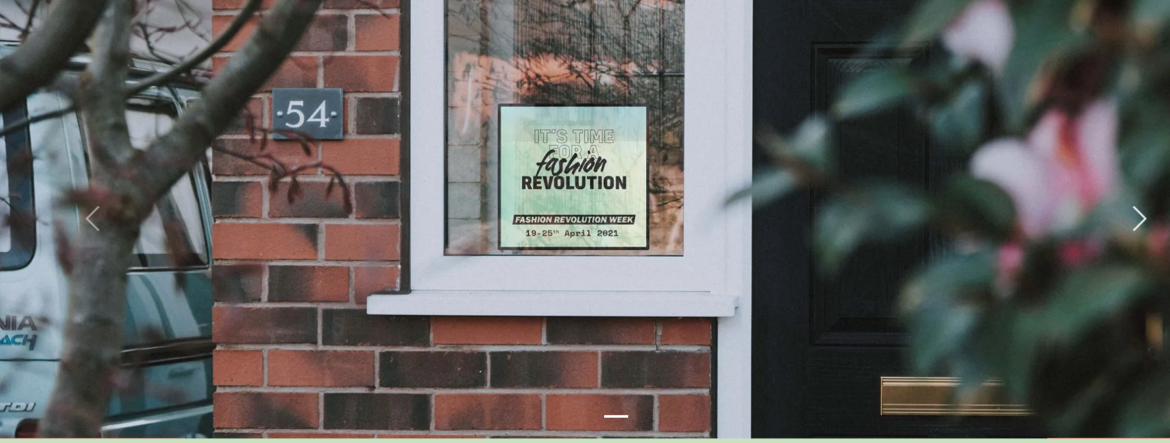
Progress on transparency still too slow among the world’s largest fashion brands, according to the latest Fashion Transparency Index

by Team Conscious Carma July 7, 2021
written by Team Conscious Carma
  • Call for major fashion brands to disclose living wage roadmap and results
  • Secrecy surrounds the impact of COVID-19 on fashion supply chain workers
  • Italian fashion brand OVS tops global benchmark on transparency

Progress on transparency in the fashion supply chain is still too slow among 250 of the world’s largest fashion brands, according to the latest Fashion Transparency Index released today in London.

The Index from Fashion Revolution, a global fashion activism movement, campaigning for greater transparency in fashion industry supply chains, is now in its sixth year. The Fashion Transparency Index analyses and ranks 250 of the world’s largest fashion brands and retailers based on their public disclosure of human rights and environmental policies, practices, and impacts, in their operations and supply chains.

This year’s Index reveals slow progress in crucial areas:

  • The majority of major fashion brands (99%) do not disclose the number of workers in their supply chain that are being paid a living wage.
  • 96% do not publish a roadmap on how they plan to achieve a living wage for all workers in their supply chain.
  • Most carbon emissions occur at processing and raw material levels and while 62% of big brands publish their carbon footprint in their own facilities, only 26% disclose this information at the processing and manufacturing level and only 17% do so at raw material level.
  • Over a quarter (27%) of major brands now disclose some of their processing facilities (e.g., spinning mills, dye-houses and laundries) – up from 24% last year.

Fashion Revolution’s co-founder and Global Operations Director Carry Somers is clear

about the purpose of the Index: “The Fashion Transparency Index is not designed to give

consumers the low-down on where to shop. We launched the index in 2016 to help the public hold brands and retailers to account for their actions within their supply chain.”

“We want the public to use this information to charge their activism and not their credit card,” she concludes.

Other key findings from Fashion Revolution’s Index 2021:

Major fashion brands’ COVID-19 order cancellations leave millions of garment workers jobless without recourse while the fashion industry continues to profit

The Fashion Transparency Index findings reveal that very few big brands, just 3%, are publicly disclosing the number of workers in their supply chains laid-off due to COVID-19, which leaves Fashion Revolution with an ‘incomplete picture’ of the negative socio- economic impact workers have faced throughout the pandemic. Additionally, less than a fifth (18%) of major brands disclose the percentage of their complete or partial order cancellations, making it difficult to assess the full impact of the pandemic across fashion supply chains.

Major brands also delayed payments to their suppliers, and our research finds that fewer than 10% of brands publish a policy to pay suppliers within 60 days, meaning that clothes are often worn by consumers before brands have paid the factories that made them.

Fashion Revolution’s Global Policy Director and report author, Sarah Ditty commenting on the Index findings said: “The findings of this year’s Index serve to remind us that the majority of big brands still do not disclose information on what they are doing to pay living wages to workers across their supply chains. Brands have continued to profit throughout the pandemic whilst garment workers have endured the devastating impacts of their cancelled orders including unpaid wages, food insecurity, employment instability and poverty.”

Major fashion brands benefit from positive PR supporting social justice but fall short when disclosing racial and ethnic data

Whilst many brands are vocal in their support for racial justice movements in the digital space, particularly on social media, this years’ Index included new indicators which questioned major brands on whether they publish their actions on the ‘promotion of racial equality’ within their business. The findings show only 12% of brands publish relevant information.

The findings indicate that these brands are not being transparent, by withholding information on the racial and ethnic data of employment and pay differences in their own operations and supply chains, many of which are in the Global South and Far East and employ predominantly women of colour, brands can continue to benefit from the public portrayal of solidarity for social causes, including gender, racial and ethnic equality, whilst not actually providing evidence on how they are addressing inequalities in their own operations and supply chains.

Major fashion brands disclose very little information about their efforts to address overproduction, plastic use, and waste despite the urgency of the climate crisis

The Index highlights that major brands are not disclosing enough environmental data, despite the urgency of the climate crisis. Just 14% disclose the overall quantity of products made annually, making it difficult to understand the scale of overproduction globally.

Almost one third of major brands (32%) describe having permanent clothing take-back schemes in place, yet only 22% disclose what happens to the clothes received through these schemes, which typically involves unwanted clothing being resold overseas rather than recycled into new textiles and clothing. More than one third of big brands (36%) have published their progress towards reducing the use of virgin plastics for packaging, but only 18% do so for textiles deriving from virgin fossil fuels, which consumers are less likely to recognise as plastic.

Despite progress made on transparency, better legislation is required to hold major fashion brands to account for their impacts on people and the planet

Transparency is vital for holding brands accountable for their human rights and environmental impacts across their supply chains. However, being transparent and ranking highly in the Fashion Transparency Index does not necessarily mean that a brand is ethical and or sustainable. “The Fashion Transparency Index has driven change by helping normalise supply chain transparency and through working with other platforms and partners enabling the research to be used to hold brands to account and to call for better laws.” explains Fashion Revolution’s Global Policy Director and report author, Sarah Ditty.

In order to hold brands to account, the Index highlights the need for legislation that requires transparency from brands on human rights and environmental issues. While legislation has improved major brands’ level of transparency, better enforcement is needed to ensure truly impactful change. The research makes the case for stronger and better enforced legislation to prevent human rights and environmental abuses, for fashion industry workers as well as requiring companies to monitor and report the outcomes of their efforts. When brands fail, the legislation should ensure meaningful sanctions and reparations for harms done.

Highest scoring brands in 2021

Italian brand OVS scored highest this year with 78% (an increase of 44% from 2020), followed by H&M at 68%, Timberland and The North Face at 66%, C&A and Vans at 65%, Gildan at 63%, Esprit and United Colors of Benetton at 60%, Tommy Hilfiger, Calvin Klein and Van Heusen at 59% and Gucci, Target Australia and Kmart Australia at 56%. Fashion Revolution is encouraged by increasing transparency among the leading brands but believes progress is too slow on key issues such as purchasing practices, living wages, overproduction, water use, and carbon emissions in the supply chain. No brand scored above 80% of the 250 possible points.

Lowest scoring brands in 2021

20 major brands score a 0% rating including, Belle, Big Bazaar, Billabong, celio, Elie Tahari, Fashion Nova, Heilan Home, Jessica Simpson, KOOVS, Max Mara, Metersbonwe, Mexx, New Yorker, Quiksilver, Pepe Jeans, Roxy, Semir, Tom Ford, Tory Burch and Youngor. A

number of big brands fell in the rankings with Wrangler declining by 24 percentage points from 2020 to 2021.

Fashion Transparency Index continues to encourage major brands to disclose vital data, pushing for greater transparency across supply chains

Overall, Fashion Revolution is encouraged that the Index is making an impact in the fashion industry – this year’s report did find that more big brands than ever before, almost half (47%), are disclosing their first-tier manufacturers, up from 13% since the first edition of the Fashion Transparency Index in 2016. Furthermore, the most major brands since the Index began, 11%, are disclosing information about some of their raw material suppliers, up from 7% in 2020 and 0% in 2016.

Global Policy Director and report author Sarah Ditty believes that that the global fashion industry has been turned upside down since the outbreak of COVID-19, and since then the industry has backslid on many human rights and environmental issues.

“This year’s Fashion Transparency Index shows encouraging signs that some progress is being made on transparency, but there is a lot more that big brands need to be doing in this area. The world’s largest brands and retailers disclose very little about their efforts to address important topics such as poor purchasing practices, living wages, racial and gender equality, overproduction and waste, water use and carbon emissions in the supply chain.”

“Big brands can and should do more to publicly address their social and environmental

impacts.”

For more information, visit www.fashionrevolution.org/transparency

About Fashion Revolution

Non-profit organisation Fashion Revolution is the world’s largest fashion activism movement, with teams in over 90 countries around the world. Founded in 2013 in the wake of the Rana Plaza factory collapse in Bangladesh, which killed over 1100 people, Fashion Revolution is working towards a global fashion industry that conserves and restores the environment and values people overgrowth and profit. In order to achieve this goal, the organisation conducts research that shines a light on the fashion industry’s practices and impacts, highlights where brands and retailers are moving too slowly and incentivises and promotes transparency and accountability across the supply chain. Fashion Revolution strives to be action-oriented, and solution focused, helping everyone recognise that they have the power to make positive change.

How brands were selected

The Fashion Transparency Index reviews and ranks 250 of the biggest global fashion brands and retailers. Brands have been purposefully chosen on the basis of their annual turnover, over USD $400 million, and represent a spread of market segments including high street,

luxury, sportswear, accessories, footwear and denim from across Europe, North America, South America, Asia and Africa. Brands are invited to participate in the research by filling out a questionnaire, but we review brands regardless of whether they participate based on their publicly available information.

The Fashion Transparency Index focuses on the biggest and most profitable brands and retailers because they have the most significant negative impacts on workers and the environment and therefore have the greatest responsibility to change.

Fashion Revolution believes that transparency is foundational to achieving systemic change in the global fashion industry, which is why we have been campaigning for it since 2014, and why we created this tool. Transparency underpins transformative change but unfortunately much of the fashion value chain remains opaque, while human and environmental exploitation thrives with impunity. Transparency is a first step; it is not radical, but it is necessary. Transparency is not to be confused with sustainability. However, without transparency, achieving a sustainable, accountable, and fair fashion industry will be impossible.

About the methodology

The Fashion Transparency Index is not a shopping guide and should not be used to discern what brands are ethical or sustainable. The Fashion Transparency Index has been created to understand how transparent the world’s largest brands and retailers are when it comes to disclosing information on social and environmental issues. The Fashion Transparency Index therefore is a tool that citizens, NGOs, civil society and those who wish to lobby for change within the fashion industry can use to hold brands to account and push for faster change.

The Fashion Transparency Index reviews brands’ public disclosure on human rights and environmental issues across 239 indicators in 5 key areas:

  • Policies & Commitments
  • Governance
  • Supply Chain Traceability
  • Know, Show & Fix
  • Spotlight Issues, which this year are:
    • Decent work, covering COVID-19 response, living wages, purchasing practices, unionisation and collective bargaining
    • Gender and racial equality
    • Sustainable sourcing and materials
    • Overconsumption and business models
    • Waste and circularity
    • Water and chemicals
    • Climate change and biodiversity

This year’s methodology reduced the weighting of points given to major brands on their policies and commitments and instead puts greater focus on how brands implement these policies and the outcomes of their efforts. This methodology was created in consultation with a wide range of industry stakeholders, including trade unions, labour advocates, environmental groups, supply chain experts and investors.

July 7, 2021 0 comment
0 FacebookTwitterPinterestEmail
vedic civilisation
Authored ArticlesExpert Corner

Vedic Civilisation is the most advanced Civilisation across time

by Team Conscious Carma July 6, 2021
written by Team Conscious Carma

Every Vedic practice and concept is rooted in science and reason

Creation is not linear; it is cyclical in nature. There is childbirth and death and rebirth. Sun rises and sets to rise again. Seed gives rise to a tree that produces more seeds for more trees to grow. Moon follows a cycle, so does water. The cyclical pattern is seen in human evolution too. Lighter thoughts, thoughts for creation and selfless actions make one rise and heavier thoughts, asuric disposition put one on the descending cycle. The extent, to which one rises or falls depends on the influence of asurs and devas in his/her life. Asuric shaktis pave way for disruption of various aspects of creation, daivik shaktis aid growth and development.

Ravan, for example, ascended to become one of the greatest pandits of all times who extemporaneously created the Shiv Tandav Stotram, to perfect which calls for sadhna of many years together. Ravan could do this owing to the strong influence of devik shaktis on him. But as asuric shaktis took over, he started disturbing the rishis and munis, and so his descend began.

In economics, it is said that a company whose graph is horizontal, that is, where there is no upturn or downturn, that company would shut down in a short while. Even a downturn is considered a growth factor. This law is constant in all aspects of creation. It is also applicable to yogis and to huge empires. Upturn and downturn cycles are very important for growth. With every downturn, one must use its momentum to reach a new high.

Saffron has been worn by rishis and munis for thousands of years and for thousands of years it has been attacked by the asurs. We all know of Lord Ram who went to defend the yagya of Rishi Vishvamitra against the attack of asurs. Yagyas create positivity and asurs thrive on negativity.

In today’s world, the increasing influence of asuric forces can be traced back to the beginning of invasions by nomadic tribes of the Arabian Peninsula and tribes from the far reach of Europe. Take, for example, the Portuguese invasion of the West coast of India in the sixteenth century that brought in its wake large-scale destruction of the temples, burning of ancient scriptures as well as disbanding of yagyas and other spiritual practices in the region or the invasions by Ghori and Ghazni. Mahmud of Ghazni destroyed thousands of temples during his raids including the Somnath temple in 1025AD, killing over 50000 people who tried to defend it. In the early years of British penetration in India, there was an uprising of the saints termed as the Sanyasi Revolt. British fearing the power of these men in saffron and knowing that they would not be able to establish their rule in India till these people are suppressed, killed 150 saints.

In present times, the term ‘saffronisation’ has been coined by negative, asuric forces to uproot the vedic culture and undermine the saints. Corrupt so-called saints are highlighted in the media repeatedly to pull down the image of saffron, while hardly ever is a saint working for animals or people or environment brought to fore. Our country is known to produce saints like Ramkrishna Paramhans, Ramana Maharishi and their modern counterparts, but no one talks about them. No one even talks about so-called saints from any other community, when many are known to have committed crimes against humanity. I wonder why the media handpicks only a specific few.

In such times it becomes our prime duty to uphold saffron, by understanding what it is all about, by understanding the Vedas and what they talk about and not a myopic opinion based on a minority highlighted in the media.

Vedic civilisation is perhaps the most advanced civilisations across time. The kind of knowledge and understanding of various aspects of creation that was possessed by the Vedic seers and is documented at length in ancient texts is unmatched till date. While the rest of the world was inhabited by barbarics as per modern historians, Vedic masters were dispelling the gyan of Shanti (peace), preservation and protection of nature and its resources, compassion to animals and envisioning universes and galaxies far and beyond.

Slowly and gradually modern science is progressing, only to appreciate and validate the Vedic concepts and way of life. This is to say, that every Vedic practice and concept is rooted in science and reason, some modern science agrees with present times, for some others it needs to further develop to understand. This is the heritage of Bharatvarsha, the phenomenal power of saffron and Vedas. Let us not encourage asurik shaktis in bringing down this glorious culture. Let us delve deeper into our ancient sciences, the Vedas and revive them for the benefit of mankind, for an ascend.

To quote from Rigveda, “Sun moves in its orbit which itself is moving. Earth and other bodies move around the sun due to the force of attraction, because the sun is heavier than them.” (RV 1.164.13) “The moving moon always receives a ray of light from the sun.” – (RV 1.84.15). In the 5th century itself, Aryabhatt knew that the earth revolves around the sun, is spherical in shape, rotates on its axis, and is suspended in space. He understood the laws of gravity, the circumference of the earth, the distance between the planets and the sun, the revolutionary movement of the earth around the sun, and so on. At least 1100 years before Galileo and Newton, Aryabhatt wrote in his Aryabhateeyam, “Just as a person travelling in a boat feels that the trees on the banks are moving, people on the earth feel that the sun is moving.”

July 6, 2021 0 comment
0 FacebookTwitterPinterestEmail
23:23 Designs pencils
Sustainable Startup Stories

23:23 Designs: Sustainable products as unique as its name

by Team Conscious Carma July 5, 2021
written by Team Conscious Carma

23:23 Designs & Sourcing is a young social enterprise, established in 2018, by a husband & wife duo to help the people and the planet. It is a creative and sustainable collection of traditional and contemporary crafts and all that which has evolved through the generations. The use of up-cycled, handmade and vintage materials is the foundation of their designs. They partner with a careful selection of organizations and directly with artisans to ensure that all artisans are fairly paid and treated.

A bootstrapped enterprise, the duo have managed to create a niche for themselves among the various stakeholders due to their hard work, ethical & transparent practices and professionalism.  Within a span of just two years, the journey of the brand towards its mission of bringing a change by connecting people to products & the planet for a greater good has had considerable milestones. 

23:23 Designs pencils

THE MISSION: “PEOPLE | PLANET | PARTNERSHIPS”

The mission of the company is to provide a means of livelihood to the marginalized section of society and protect the environment.  To accomplish the same, they skill them in creating sustainable lifestyle products and help sell their products   Creating a beautiful partnership between the people and the planet to survive and thrive is the mantra they swear by.

23:23 Designs works in the social development sector with other NGOs, SHGs (Self-help groups),  trusts & societies, clusters & social enterprises and supports market linkages, product development & diversification, project management, skill development & capacity building, retail management, business development, education & training.

The year 2021 saw the launch of their online marketplace, a one-stop shop for everything sustainable, handcrafted and made ethically. The platform extensively promotes social enterprises, young startups and women-led organizations.

“Working as aggregators and facilitating market linkages, 23:23 Designs currently supports and Impacts 4000+ beneficiaries Pan India. We broadly cover products like recycled paper, sustainable stationery, handloom textiles, natural grass basketry, organic food, skincare and much more. And the crafts we are bringing to the fore are, terracotta & ceramics, woodwork, handknitting, hand crochet & macrame, upcycled & sustainable solutions, etc” says Himanshu Pal, Co-founder 23:23 Designs.

“We are also working with renowned International & national Brands such as Anthropologie, TOAST, Nicobar, Iconic Fashions, Reliance Swadesh, and promoting Traditional Indian Craft on the World Map. For our customers, aesthetics with sustainable solutions is the core value of our products”, adds Himanshu.

THE VISION

A world where every citizen can live a safe, secure, and fulfilling life, in harmony with nature.

  • Monab Bags
  • Sooti Syahi Sari
  • Ajrakh necklace: DITI
  • Spa Veda Facewash
  • Ammiji Masala Tea
  • 23:23 Designs Almond Squash
    Almond Squash
23:23 Designs Products

STORYTELLING

The brand believes the people, skills and heritage behind each product are just as beautiful as the product itself. These stories deserve to be told and revisited. With every product, we bring together a little bit of history that was lost somewhere in time. Each of our products beholds a story waiting to be told and we endeavour to be as transparent as possible in the storytelling part.

AND THE STORY BEHIND THE NAME 23:23

There are many social enterprises in India now, doing good and making an impact, we are one amongst them….But people do remember us, not just for the good we are doing but also for our Unique name….and as mentioned before, we are storytellers too…and this story is our favourite one….

23:23(Twenty Three: Twenty Three), is based on the concept of Synchronicity.

Synchronicity is a concept, which holds that events are “meaningful coincidences, they occur with no causal relationship yet seem to be meaningfully related. The Founders of 23:23 Designs saw double digits in timepieces, vehicles number plates, and many more “Meaningful Coincidences”. Synchronicity led us to, getting conscious of little occurrences as signs of being on the right path for a greater good.  The universe winks and nods at you from time to time, to let you know that you are treading on the path of doing good. Once you start noticing these little cosmic cairns, once you understand that you’re on a path at all, you’ll begin to see them everywhere. We believe that our unconscious yearning to give back to the community and planet led us to a conscious effort of starting 23:23 Designs & Sourcing.

Visit the website for more designs: https://2323designs.in

July 5, 2021 0 comment
0 FacebookTwitterPinterestEmail
GreenB project
CommunityInitiatives

United Colors of Benetton launches global sustainability project GreenB

by Team Conscious Carma July 4, 2021
written by Team Conscious Carma

The Benetton Group launched GreenB, a project that brings together all the sustainability initiatives of the company’s brands. From the idea and manufacture of a product to the supply chain, from energy efficiency to attention to the needs of communities; this well-rounded vision formalizes the commitment to the environment and people that constitute one of the company’s constant values. shopping from your own closet and stylishly reusing your existing clothes.

On this occasion, Benetton curated a panel in India. Hosted by Susan Bhaktul- Chief Executive Officer of Industree Foundation, the panel saw interesting conversations with panelists Mira Rajput Kapoor – influencer and style icon along with philanthropist & social activist – Chinu Kwatra and luxury fashion influencer – Masoom Minawala. Each panelist shared how they practice sustainability from their point of view. 

Over the coming years, Benetton Group will distribute more sustainable products, create a supply chain that is ever more respectful of the environment and workers’ rights, and increase the efficiency of its headquarters and stores in terms of energy use and waste management, following the example set by the new store inaugurated in Florence at the beginning of March 2021.

All these initiatives have a flag and a symbol – GreenB, representing the sustainable identity of Benetton Group and its people.

“GreenB unites Benetton’s different souls. Green is the colour of the logo that has made the brand famous all over the world. B is the initial of the last name of the brand’s founders and also refers to the verb ‘to be’ – because to be sustainable is part of our essence – as well as the bee, a small, industrious and collaborative insect, without which the entire ecosystem would be in crisis,” explains Massimo Renon, CEO of Benetton Group. “From today, GreenB is the ambassador of Benetton’s innately green soul, the symbol of everything that for us is sustainable.”

Ramprasad Sridharan, CEO and MD of Benetton India says, “Through the GreenB initiative, we continue to promote a collective spirit of positive development and progress, particularly in the areas of sustainable living and green practices. As a brand, we continue our commitment to be more responsible about the decisions we make and how they impact the future, of not just our industry but our planet.”

The bee is also the project’s logo; a graphic reinterpretation of Benetton’s iconic knit stitch, it symbolizes the contribution of each individual within an organically expanding hive, an accurate representation of the commitment of the company and its people to sustainability.

The GreenB project will take on various interpretations as it is used for all Benetton Group touchpoints. Customers will find this symbol in stores, on the digital platforms and on the tags of the garments that reflect the values embodied by the GreenB project. It will also feature in the Integrated Report, the publication in which the company illustrates how strategy, governance and performance make it possible to create value in the short, medium and long term, while respecting the environment and people.

July 4, 2021 0 comment
1 FacebookTwitterPinterestEmail
Jitender Singh ‘Shunty’, Founder Shaheed Bhagat Singh Sewa Dal
CommunityInspiration

Saluting the awakened soul: Jitender Singh ‘Shunty’, Founder Shaheed Bhagat Singh Sewa Dal

by Team Conscious Carma July 2, 2021
written by Team Conscious Carma
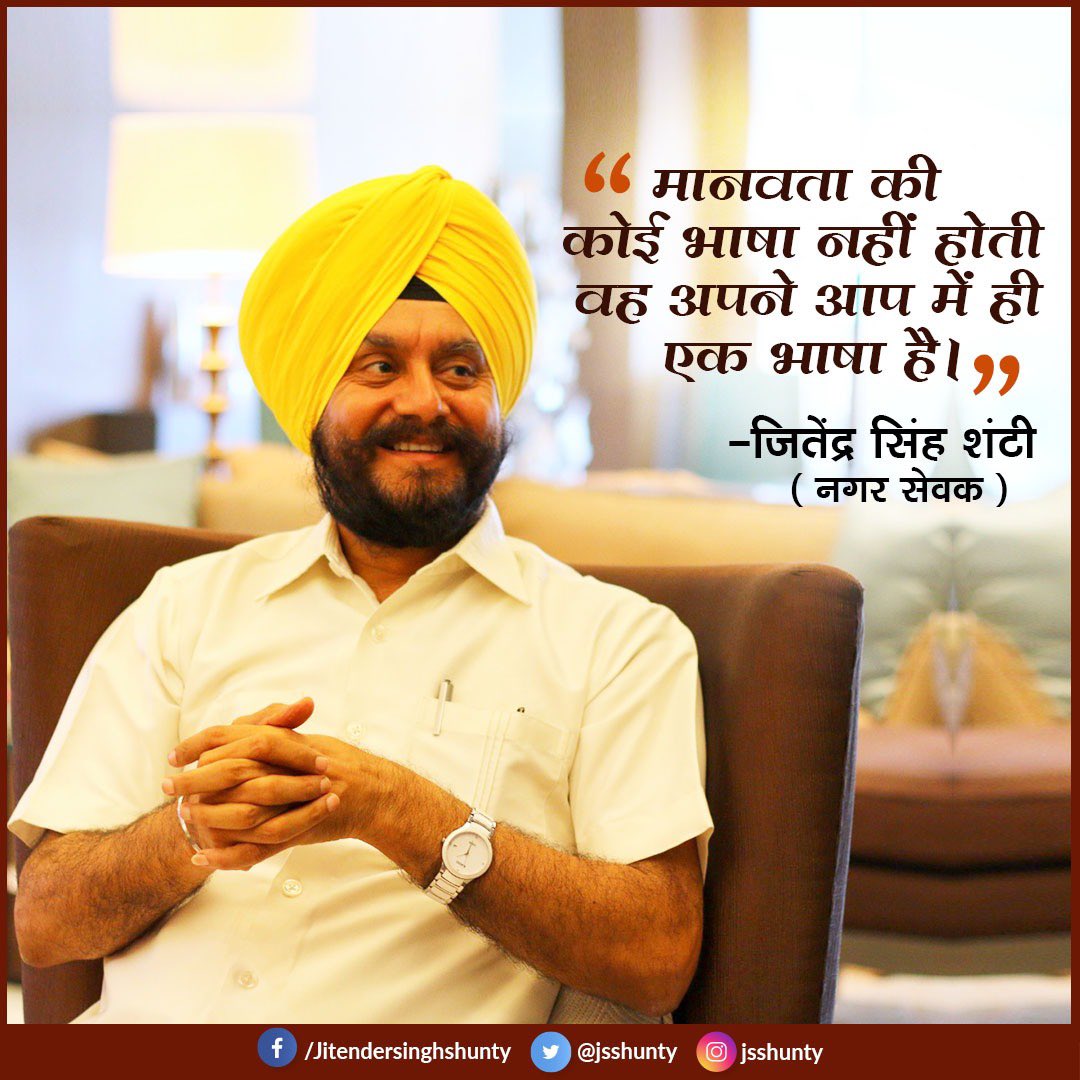
Jitender Singh ‘Shunty’, Founder Shaheed Bhagat Singh Sewa Dal

Former MLA from Shahdara, Delhi, Jitender Singh ‘Shunty’ has been running free ambulance service and cremating bodies for over two decades. During the pandemic he and his team picked up bodies from homes and hospitals free of cost and performed their last rites, giving a respectful adieu of hundreds of them daily. He made a makeshift office outside the Seemapuri crematorium. During the Covid peak, they would start as early as 6 am in the morning and worked till 11 pm at night. 

Shunty and his family contracted the virus last year but that didn’t deter them from performing their noble deed.  Also, he lost one of his colleagues, Arif Khan, to covid who took hundreds of Covid patients to hospital and many dead bodies for cremation. 

Around 25 years ago, Shunty saw a man who was collecting burnt wood at Nigambodh crematorium and thought he was a thief. It was later, he found that he did not have money to buy wood to cremate his son. This incident propelled Shunty to move out of his business of sale and purchase of cars to help in the transport of bodies from hospitals to crematoriums. Since then he has been selflessly helping the poor and needy in organizing the last rites of their loved ones.  

Singh was awarded Padma Shri for Social work this year. 

Shunty is also known as “Donor Singh”, being the first Sikh in the world to donate blood 100 times.

July 2, 2021 0 comment
1 FacebookTwitterPinterestEmail
finland city top
EconomyGlobal

Finland: The happiest country in the world

by Team Conscious Carma July 1, 2021
written by Team Conscious Carma

In the World stricken with a global pandemic and economic slump, everyone’s praying for the return of normalcy and happiness. At this moment, we all just want to be happy, healthy and being surrounded by loved ones more than anything else.

At the same time, being cut off from the crazy competitive world, we are finding happiness in the most mundane deeds and leading a life of gratitude and contentment. Though we all want normalcy to return, I am sure, the meaning of happiness has changed for all of us.

Talking about happiness, do you know, Finland has been ranked as the happiest country for the fourth year in a row, according to the 2021 World Happiness Report. Iceland, Denmark, Switzerland, and the Netherlands following in second, third, fourth and fifth positions respectively. Launched in 2012, the World Happiness Report is an annual survey conducted by the U.N.’s Sustainable Development Solutions Network. The survey ranks global happiness in 149 countries worldwide based on six key variables (income, life expectancy,
social support, freedom, trust, and generosity).

FINLAND – an Introduction

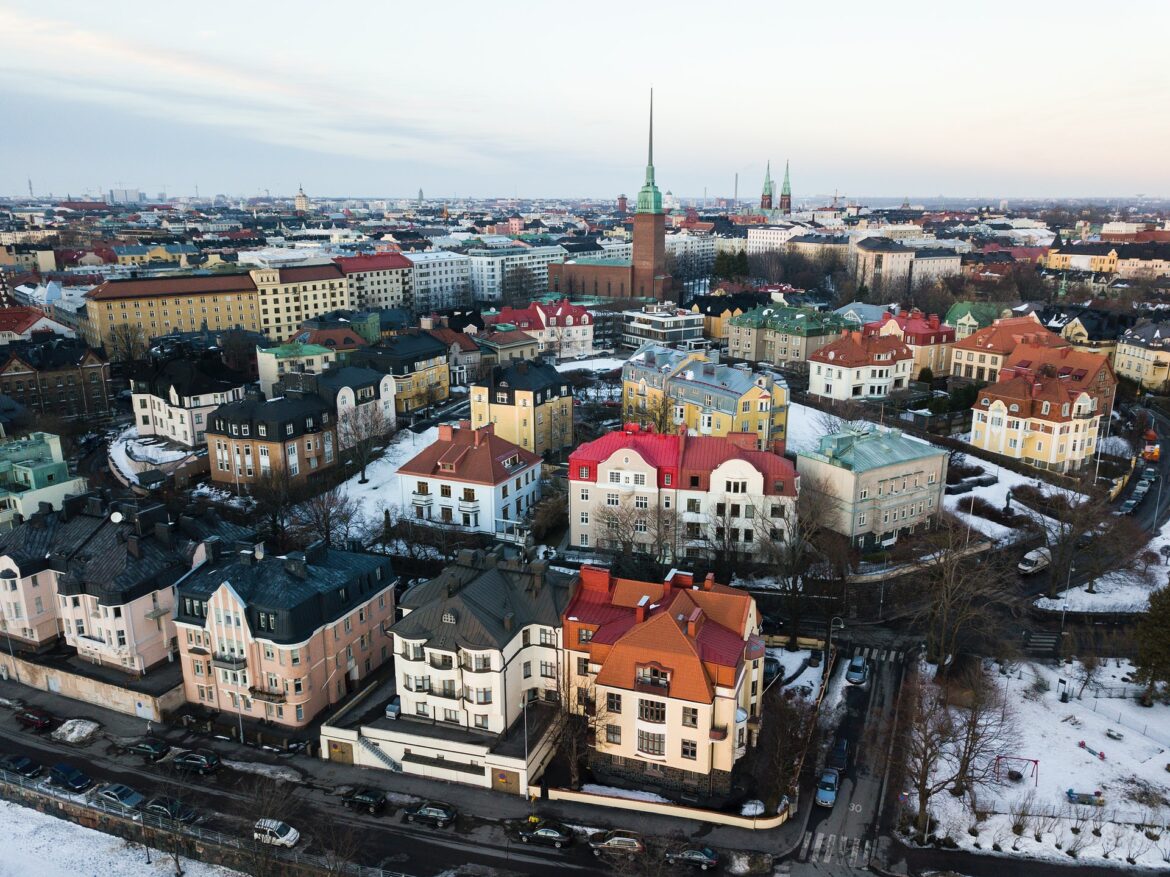
Finland, officially the Republic of Finland, is a Nordic country in Northern Europe, covering an area of 338,455 square kilometres with more than 1,80,000 lakes in it. Its population of 5.5 million. Except for a small highland region in the extreme northwest, the country is a lowland with less than 600 ft (180 m) above sea level. Helsinki is the country’s capital and largest city. It is a bilingual country – Finnish and Swedish are
both official languages.

Finland was under Swedish rule from the 13th century till the 17th century. It later came under Russia during the Great Northern War, (1700–21). In 1917, after Russia was taken over by the Bolsheviks, Finland was finally declared independent. Finland joined the European Union in 1995 and adopted the euro in 1999. Finland’s Prime Minister, Sanna Marin of the Social Democratic Party of Finland is the World’s youngest prime minister.

What makes Finns the happiest of all?

Let’s understand how a country with a history of invasions, slavery and struggle has turned out to be the happiest country in the World.

“Sisu” Philosophy

The Finnish have struggled hard to get their freedom, fought many battles bravely in the coldest and darkest of winters. Unity, integrity, perseverance and grit are the values ingrained in their psyche, popularly called the “sisu” philosophy. This philosophy makes Finnish people optimistic, always looking at the brighter side and living a life of gratitude and contentment.

Best Governance in the World

Finland has extensive welfare benefits, free education, free healthcare, low levels of corruption, low crime rates, extended parental and annual leave compared to the rest of the world and a well-functioning democracy. it ranks high for its performances in civil rights, press freedom and quality of life.

According to the Legatum Prosperity Index 2020, Finland has the best governance in the World. The corruption levels are one of the lowest in the world. Finland was ranked 3rd out of 180 countries surveyed in Transparency International’s 2020 Corruption Perceptions Index.

Gender Equality

While Gender equality remains a crucial issue all over the world, Finland has been quick in mending this gap, years ago. In 1906, Finland became the first country in the world to grant full political rights to women – both the right to vote (a first in Europe) and the right to run for office. Also, it became the first European country with women as both president and prime minister in the year 2003.

A warm and welcoming Culture

The Finnish culture is a mix of indigenous heritage, Nordic and European influences. It’s a warm culture where different customs and traditions are being followed in the same spirit. There are Sami, Romani, Swedish-speaking Finns, Tartar, and the Jews, all of them have maintained their unique cultural identities and live in complete harmony. This melting pot can be observed in festivals, literature, visual arts, music, cinema, and even cuisine.

Finns are simple and honest and live to their fullest

Finns appreciate simplicity and honesty in all things and are not materialistic. Life’s simple pleasures make them happy like They love walking in the forests picking blueberries, swimming in icy water.  They believe in living at their own pace, unlike most of the fast-paced and competitive western world.

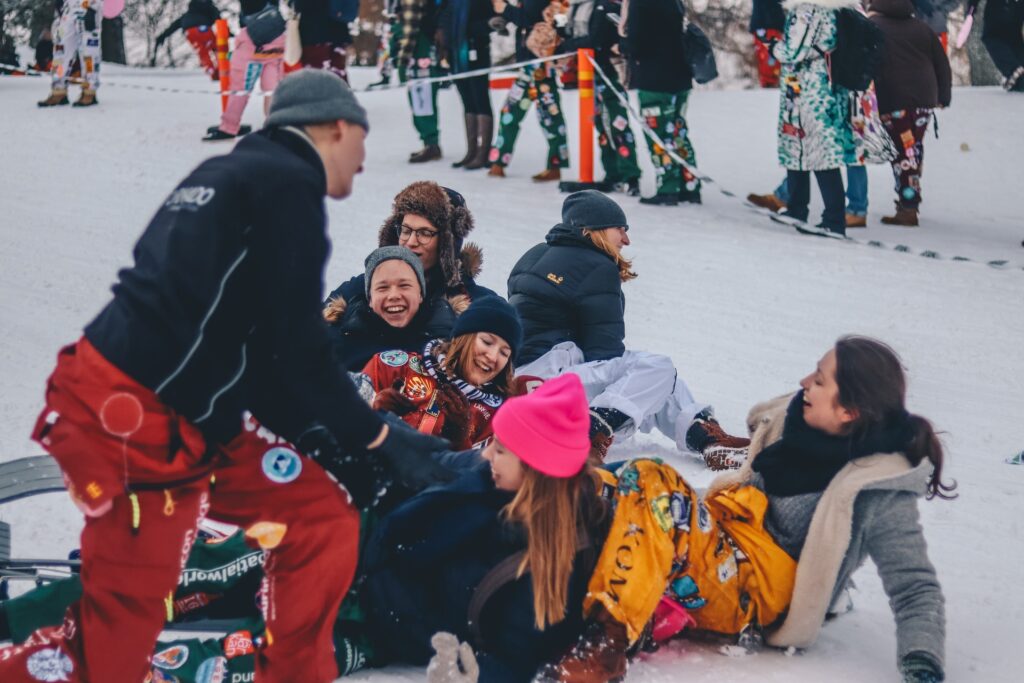
Finns love outdoor activities, the extremely cold climate is not a hindrance to their venturing out.  In Northern Finland, the sun doesn’t rise above the horizon for weeks. While in summers they have nightless nights when the sun doesn’t set at all from mid-May until late July. They enjoy life even in the coldest and darkest of days like enjoying the glowing white snow and blazing northern lights in dark wintery days and the midnight sun in summers.

One thing the Finnish love most is their sauna. Almost every house has a sauna and it is their daily ritual.  Can you imagine,  there are 3.3 million of them in Finland, which has a population of 5.5 million. “Sauna culture in Finland” is now on the Unesco list of Intangible Cultural Heritage. 

You can witness all sorts of saunas in Finland, tent saunas, car saunas, popup saunas, boat saunas, ice saunas, portable saunas, backyard and rooftop saunas.

A recently published 15-year research project on the health effects of a sauna, led by professor Jari Laukkanen, a cardiologist, showed that frequent visits to the sauna (four to seven times a week) cut the risk of having a stroke by more than 50 per cent compared to one weekly visit. Habitual sauna use also significantly reduces the risk of cardiovascular disease. For the heart, taking a sauna is the equivalent of going out for a brisk walk. You could attribute this as one of the reasons for their long and healthy life.

Finns have Nature’s love in bounty

Finland is a beautiful country,  with thousands of lakes, lush green forests and pristine air and water. The purity in the heart and the purity in the environment makes Finns happy and healthy.

It is Europe’s most forested country, with more than 70% of the land covered with forests. About 17,000 square kilometres of the forest is strictly protected. The Finnish concept of ‘Everyman’s Right’ means that one can walk freely in the forest, enjoy the fresh air and gather the gifts of the forest, mushrooms and blueberries. Of course, this also implies that it’s everyone’s responsibility to keep them clean. 

Being surrounded by nature and getting out into it has long been known to help us feel happier. As there is so much to see and do outdoors in Finland, it is no wonder people here are so positive.

Finland has World’s Best Education System

Finland is an international leader in providing education. It is one of the cornerstones of the Finnish welfare society, where Finnish educators focus on making education an instrument to balance out social inequality. Their educational system offers equal opportunities for education for all. Education from pre-primary to higher is free of charge in Finland, including transportation, meals and study material. Students in Finland often have the same teacher for up to six years of their education, which helps in developing mutual trust and bonding between the teacher and students.

Also, the system gives local schools the autonomy to address local needs by decentralizing administration. Students start school when they are 7 years old and there are only 9 years of compulsory school that Finnish children are required to attend. Everything past the ninth grade or at the age of 16 is optional. The schools starts anywhere from 9:00 – 9:45 AM.

Research has shown that early start times are detrimental to students’ well-being, health, and maturation.

Less stress, less regimentation and more caring, creates a strong happy and positive foundation from the early years. And as a result, Finnish students score higher than most of their peers on international assessment tests, despite peculiarities like having minimal homework and tests, and also a curriculum that puts a big emphasis on music, the arts, and outdoor activities.

July 1, 2021 0 comment
0 FacebookTwitterPinterestEmail
Newer Posts
Older Posts

Recent Posts

  • India–UK Free Trade Agreement Opens Global Growth Opportunities for 3R ZeroWaste’s Circular Economy Solutions
  • Plastic Free July: Why True Sustainability Goes Beyond Swapping Plastic
  • From the Editor’s Desk: When Greed Takes Over Conscience
  • Beyond the Pose: Why Your Yoga Mat Needs a Sustainable Upgrade
  • Best Sustainable Father’s Day Gifts: Conscious Carma’s Exclusive Picks

Recent Comments

  • Team Conscious Carma on Label Shivika Agarwal – where craft meets sustainability
  • Cocomeister.jp on Label Shivika Agarwal – where craft meets sustainability
  • Team Conscious Carma on Equitable City Designs To Fight Climate Change
  • UN report calls for repurposing of USD 470 billion of agricultural support that distorts prices and steer us away from environment and social goals | Consciouscarma on UNEP & ICMR collaborate to boost understanding of environmental dimensions of antimicrobial resistance in India
  • Wild Earth : Natural body products | Consciouscarma on Sat.Suma : the true essence of flowers in your everyday skincare needs

Keep in touch

Facebook Twitter Instagram Youtube

Recent Posts

  • India–UK Free Trade Agreement Opens Global Growth Opportunities for 3R ZeroWaste’s Circular Economy Solutions

  • Plastic Free July: Why True Sustainability Goes Beyond Swapping Plastic

  • From the Editor’s Desk: When Greed Takes Over Conscience

  • Beyond the Pose: Why Your Yoga Mat Needs a Sustainable Upgrade

  • Best Sustainable Father’s Day Gifts: Conscious Carma’s Exclusive Picks

  • How Sacred Sound is Reshaping the Future of Holistic Health?

Categories

  • Community (38)
    • Campaigns (3)
  • CSR (4)
  • Economy (82)
    • Global (24)
    • Industry (42)
    • Innovations (4)
    • National (2)
  • Environment (48)
  • Expert Corner (48)
    • Authored Articles (47)
  • Featured (5)
    • Partners (1)
  • Global News (2)
  • Initiatives (31)
    • CSR (3)
    • Events (6)
  • Inspiration (22)
  • Lifestyle (9)
  • Media Coverage (6)
  • Press Releases (4,358)
  • Products (126)
    • Accessories (27)
    • Apparel (32)
    • Beauty (26)
    • Food (4)
    • Gifting (3)
    • Home Décor (15)
    • Skin-Care (14)
  • Reports (3)
  • Spirituality (10)
  • Sustainability (49)
  • Sustainable Startup Stories (28)
  • Travel (19)
  • Uncategorized (2)
  • Wellness (33)
    • Home Cleaners (3)

Archives

  • August 2026 (1)
  • July 2026 (1)
  • June 2026 (6)
  • October 2024 (1)
  • September 2024 (1)
  • July 2024 (2)
  • June 2024 (2)
  • May 2024 (1)
  • November 2023 (330)
  • October 2023 (554)
  • September 2023 (631)
  • August 2023 (718)
  • July 2023 (723)
  • June 2023 (710)
  • May 2023 (608)
  • April 2023 (114)
  • March 2023 (7)
  • February 2023 (3)
  • January 2023 (11)
  • December 2022 (18)
  • November 2022 (1)
  • August 2022 (6)
  • July 2022 (8)
  • June 2022 (24)
  • May 2022 (11)
  • April 2022 (19)
  • March 2022 (11)
  • February 2022 (11)
  • January 2022 (14)
  • December 2021 (10)
  • November 2021 (4)
  • October 2021 (14)
  • September 2021 (22)
  • August 2021 (12)
  • July 2021 (17)
  • June 2021 (17)
  • May 2021 (16)
  • April 2021 (22)
  • March 2021 (33)
  • February 2021 (16)
  • January 2021 (22)
  • December 2020 (10)
  • Facebook
  • Twitter
  • Instagram
  • Pinterest
  • Linkedin
  • Youtube

@2020 - All Right Reserved. Designed and Developed by Bizopser Technologies

Consciouscarma
  • Home
  • About Us
  • Products
  • Community
    • Campaigns
    • Inspiration
    • Initiatives
    • CSR
  • Features
    • Sustainable Startup Stories
    • Travel
    • Lifestyle
    • Partners
  • Economy
    • Industry
    • Innovations
    • National
    • Global
  • Environment
  • Expert Corner
    • Authored Articles
    • Reports
  • Magazine
  • Contact